
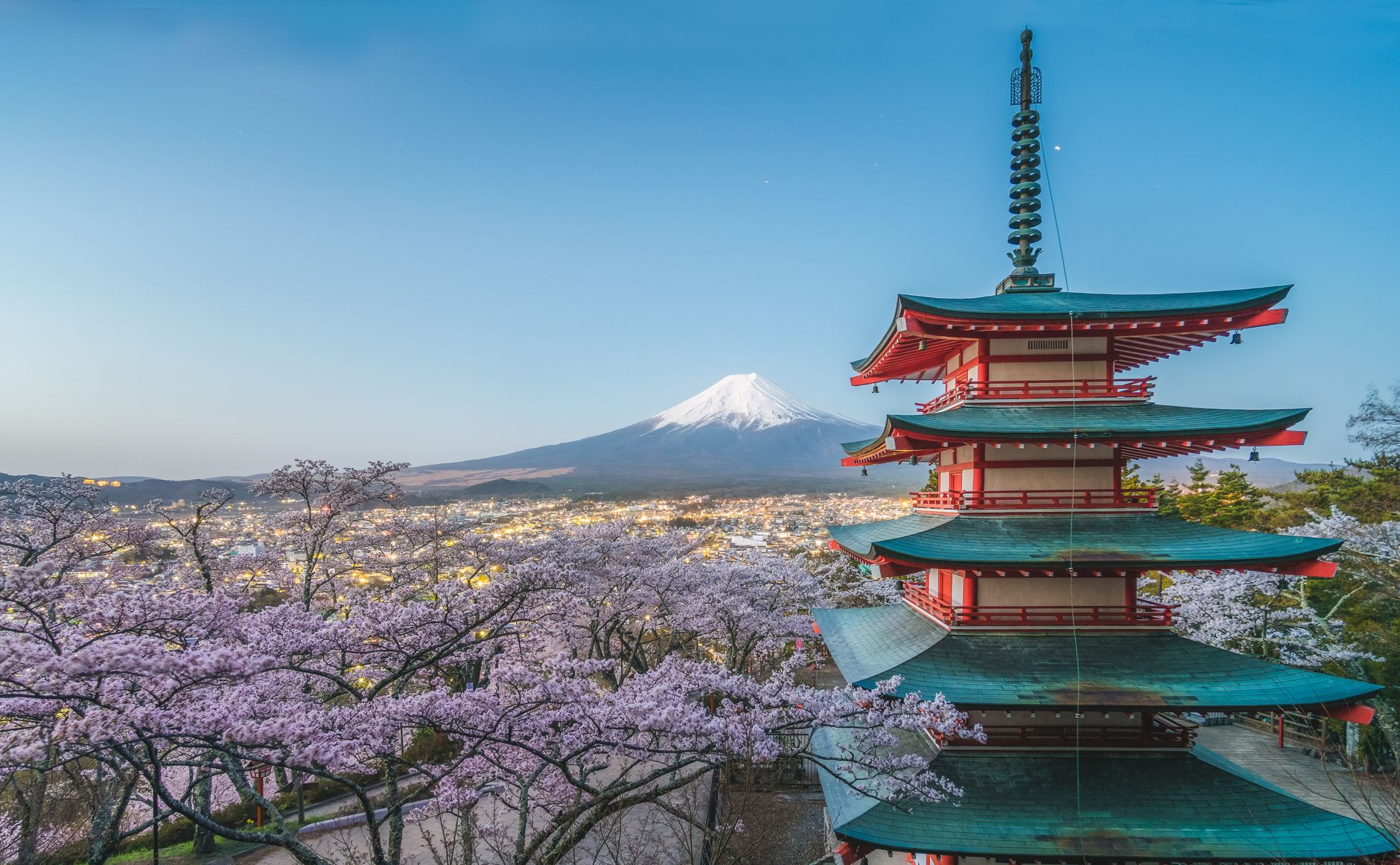
Japan has done something remarkable in summer 2026: it has become the world’s second most popular summer travel destination, rising from outside the global top five just two years ago. The yen’s relative weakness has made it accessible, but that undersells the story. Japan’s cities are delivering experiences that simply don’t exist anywhere else on earth — and a new generation of urban travelers is paying attention.
Why Japan is Summer 2026’s Defining Travel Story
Search data from Google Trends and booking platforms shows Japan travel interest at an all-time high. The reasons are multiple: a favorable exchange rate for Western travelers, a post-pandemic investment in international tourism infrastructure, and the rapid rise of ‘slow city’ travel — the idea of spending a week in a single neighborhood rather than ticking off sights. Japan’s cities are built for exactly this kind of depth.
Tokyo: The City That Never Repeats Itself
Tokyo is, by most measures, the most complex city on earth. It is also the most rewarding for the urban explorer willing to abandon the tourist map. Summer 2026 sees the city’s west side — Shimokitazawa, Nakameguro, Koenji — consolidating its reputation as one of the great alternative culture zones anywhere in Asia, with independent record stores, natural wine bars, and architectural detail that rewards slow walking.
Urban Mood Tokyo Essentials:
- Shimokitazawa — Tokyo’s answer to Brooklyn, with better record shops
- The teamLab Borderless digital art museum, reopened in Azabudai Hills
- Morning visits to Tsukiji Outer Market before 8am — still the city’s best food experience
- The Yamanote Line at night — a complete loop of Tokyo’s urban spine for just ¥210
Summer Warning: Tokyo in July–August is genuinely hot and humid (35°C+). Build rest time into your schedule and embrace the underground — Japan’s department store basement food halls (depachika) are air-conditioned perfection.

Kyoto: More Relevant Than Ever
The conventional wisdom says Kyoto is over-touristed and increasingly difficult to enjoy authentically. The conventional wisdom is wrong — or at least incomplete. Yes, the main corridors (Arashiyama, Gion, Fushimi Inari) are crowded. But Kyoto’s eastern hills neighborhoods — Higashiyama, Nanzenji, Okazaki — remain genuinely extraordinary, and the city’s café, gallery and ceramics scene is experiencing a renaissance driven by young Japanese creatives who have deliberately chosen Kyoto over Tokyo.
Urban Mood Kyoto Essentials:
- Nishiki Market — ‘Kyoto’s kitchen,’ best explored before 10am
- Okazaki district for contemporary art (Kyoto City KYOCERA Museum of Art)
- The philosopher’s path in early morning, before tour groups arrive
- Kissa Ichi or any of the city’s old-school kissaten (Japanese coffee shops) for morning ritual
Osaka: The City That Eats
No Japan itinerary in summer 2026 is complete without Osaka. If Tokyo is Japan’s brain and Kyoto its soul, Osaka is its stomach — and that is meant as the highest compliment. The city’s Dotonbori and Shinsekai neighborhoods have long been famous for street food, but the real story is Osaka’s emerging cocktail bar scene and the revival of its old covered shopping arcades (shotengai) as cultural destinations in their own right.
Urban Mood Tip: The Osaka Amazing Pass gives you unlimited metro travel and free entry to 40+ attractions. At ¥2,800 for 24 hours, it is the best value day pass in any Asian city.
The Hidden Third City: Kanazawa
If you have time for only one off-the-beaten-track Japanese city this summer, make it Kanazawa. Located on the Sea of Japan coast, two hours from Tokyo by Shinkansen, it combines one of Japan’s finest traditional gardens (Kenroku-en), an exceptional samurai and geisha district (Higashi Chaya), and a world-class contemporary art museum (21st Century Museum of Contemporary Art) that alone justifies the journey. Accommodation is a fraction of Tokyo or Kyoto prices, and the seafood — particularly the crab and yellowtail — is extraordinary.
Practical Notes for Summer 2026
- Book the JR Pass before you leave — it remains the most cost-effective way to travel between cities
- IC Cards (Suica/ICOCA) work across all three major cities for local transport
- Make restaurant reservations before you travel for any Michelin-level dining — summer demand is extreme
- Many temples and gardens open at 6am — this is when you should be there
- Download Google Translate with Japanese offline — the camera translation feature is genuinely useful
The Urban Mood Verdict
With this Japan City Guide in summer 2026 is not a destination — it is a recalibration. The cities are too layered, too different from anywhere else, too consistently surprising to be reduced to a checklist. Go with time, go with curiosity, go prepared for the heat, and go knowing that whatever you planned will almost certainly be superseded by something you didn’t. That is the Japan promise, and summer 2026 is delivering on it.
More travel idea from us? yes, visit our travel page.

Manuale Creativo per Fotografi Ribelli
40 idee per riscattare il tuo sguardo fotografico. Un libro di Massimo Usai per chi vuole guardare il mondo con occhi nuovi.
Acquista su Amazon In qualità di Affiliato Amazon ricevo un guadagno dagli acquisti idonei.Scopri di più da
Abbonati per ricevere gli ultimi articoli inviati alla tua e-mail.


