Fotografo | Storyteller | Direttore di Urban Mood Magazine 📍 Cagliari, Italia
Chi sono
Sono un fotografo e storyteller con un’anima cosmopolita. Nato a Cagliari, la mia passione per la fotografia e la scrittura mi ha portato a Londra, dove ho vissuto per oltre 20 anni, affinando il mio occhio artistico e collaborando con diverse riviste internazionali come giornalista freelance. Le mie esperienze a Bruxelles e Varsavia hanno arricchito ulteriormente la mia visione del mondo, aggiungendo una prospettiva multiculturale alla mia narrazione visiva e scritta.
Oggi, come Direttore di Urban Mood Magazine, guido una redazione con l’obiettivo di raccontare il mondo attraverso immagini e parole, con uno sguardo attento ai dettagli, all’estetica e alla profondità delle storie.
Il mio lavoro
Le mie immagini sono più di semplici scatti: sono narrazioni visive che catturano l’essenza dei momenti, dalle dinamiche urbane ai frammenti di vita quotidiana. Con uno stile che unisce reportage, arte e storytelling, ho collaborato con testate di prestigio internazionale, tra cui:
📰 New York Times | Time Out London | News Vancouver | Londonist Londra 📰 Latitudes Milano | Il Piccolo di Alessandria | Italia News Media
Molte delle mie fotografie sono disponibili su piattaforme globali come Getty Images, Alamy, Shutterstock, Adobe Stock e 500px, offrendo al pubblico un punto di vista unico e autentico.
Oltre la fotografia
Parallelamente alla mia attività editoriale e artistica, sono co-fondatore di ART PRIME STUDIO, un negozio online che gestisco in collaborazione con Anna Terlecka, produttrice media di Discovery Poland. Qui, oltre a opere artistiche selezionate, è possibile acquistare alcune delle mie stampe fotografiche più esclusive.
Nel tempo libero, seguo con passione l’Arsenal e mi immergo nella musica dei Radiohead, due elementi che, come la fotografia, fanno parte della mia identità.
📷 Scopri di più sul mio lavoro fotografico visitando il mio sito personale.
La Redazione
Benvenuti nella Redazione di “URBAN MOOD MAGAZINE”
La redazione di “URBAN MOOD MAGAZINE” è composta da una squadra diversificata di esperti e appassionati provenienti dalle principali capitali europee, ognuno con un ruolo distintivo nel portare ai lettori una panoramica completa su cultura, viaggi, sport e attualità. Scopriamo chi sono i nostri autori e collaboratori:
Alessio Sartori
Tema: Viaggi e Racconti
Residenza: Firenze, Italia
Mini Scheda: Alessio Sartori è un appassionato viaggiatore che condivide le sue esperienze attraverso racconti avvincenti e dettagliati. Da Firenze, città d’arte e cultura, Alessio esplora il mondo e racconta le sue avventure con un occhio attento ai dettagli e alle curiosità culturali.
Giulia Marini
Tema: Cultura e Orizzonti
Residenza: Torino, Italia
Mini Scheda: Giulia Marini si dedica alla scoperta delle diverse culture e orizzonti del mondo. Con base a Torino, città storica e cosmopolita, Giulia esplora temi culturali globali, offrendo prospettive uniche e approfondite sulle tradizioni e le evoluzioni culturali.
Matteo Ferri
Tema: Europa e Voci
Residenza: Bologna, Italia
Mini Scheda: Matteo Ferri è un esperto di tematiche europee, focalizzandosi sulle voci e le prospettive emergenti nel continente. Da Bologna, città universitaria e dinamica, Matteo esplora le questioni politiche, sociali e culturali che definiscono il panorama europeo contemporaneo.
Elena Lombardi
Tema: Attualità e Storie
Residenza: Napoli, Italia
Mini Scheda: Elena Lombardi è una giornalista appassionata di attualità e narratrice di storie che hanno un impatto sociale. Con sede a Napoli, città vivace e storica, Elena racconta le storie di persone e eventi che influenzano il nostro mondo moderno, portando alla luce temi importanti attraverso il suo lavoro giornalistico.
Luca Montanari
Ruolo: Esperto di Cultura e Innovazione
Residenza: Londra, Regno Unito
Mini Scheda: Luca Montanari è un esperto di cultura e innovazione con radici italiane e sede a Londra. Con una passione per l’arte, la tecnologia e l’innovazione, Luca esplora le tendenze culturali emergenti e le innovazioni che plasmano il panorama europeo e globale. Grazie alla sua esperienza biculturale, Luca offre una prospettiva unica che integra le influenze italiane con le dinamiche culturali londinesi. Scrive in due lingue: Inglese e Italiano.
Sophie Leclerc
Ruolo: Cultura e Attualità Europea
Residenza: Parigi, Francia
Mini Scheda: Sophie è una corrispondente di attualità e cultura europea con sede a Parigi. Con una prospettiva critica e informativa, Sophie analizza gli eventi politici, sociali ed economici che influenzano l’Europa contemporanea, fornendo insight preziosi ai lettori interessati agli sviluppi regionali e globali.
Hanna Simonis
Ruolo: Giornalista e Produttrice Televisiva
Residenza: Varsavia, Polonia
Mini Scheda: Hanna Simonis è una giornalista e produttrice televisiva che scrive da Varsavia. Specializzata in viaggi, food & drinks e lifestyle, Hanna racconta con passione le tendenze emergenti e le destinazioni più affascinanti. La sua esperienza nel mondo dei media le consente di offrire uno sguardo unico e coinvolgente sulle culture e i sapori del mondo. Scrive in tre lingue: Italiano, Polacco e Inglese.
Con questa squadra diversificata e competente, “URBAN MOOD MAGAZINE” si impegna a fornire ai lettori una visione ricca e variegata delle tematiche europee e globali che definiscono il nostro tempo.
Thinking back on my travels in Europe, I remember many special moments. Places like Paris and Venice left a lasting impression. Europe is full of experiences just waiting to be found.
Whether you’re a seasoned traveller or new to the scene, Europe can seem overwhelming. But with the right tips, you can have an amazing time. I’ll share some essential tips for making the most of your European escapade. You’ll learn about packing, getting around, and local customs.
By the end of this guide, you’ll be ready to explore Europe with confidence. You’ll make memories that will last forever.
Essential Packing Tips for Your European Adventure
My travels across Europe have shown me the importance of packing smart. Whether you’re wandering Rome’s historic streets or taking in the Swiss Alps’ views, being ready is crucial.
Choosing the Right Luggage
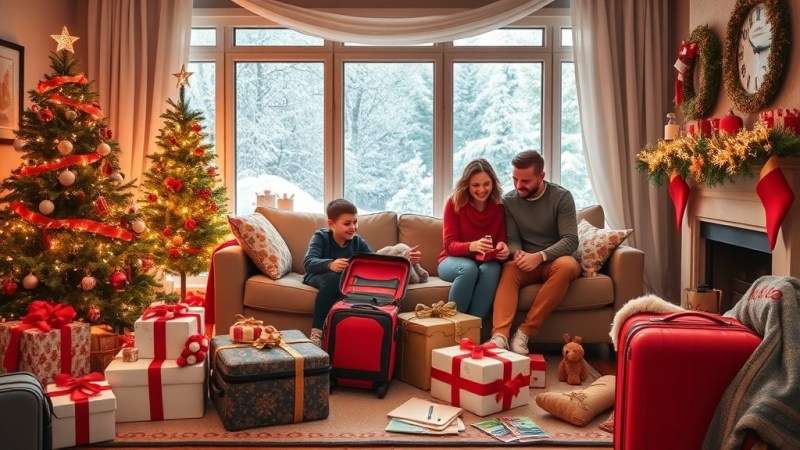
Choosing the right luggage is the first step to a stress-free trip. I look for a sturdy, yet lightweight suitcase with lots of compartments. Look for a bag with a 360-degree spinner wheel for easy movement in busy places.
Packing Light: What to Bring
Packing light is an art that needs planning. I always check the weather forecast and pack for it. Layering is essential in Europe, where the weather can change quickly. I choose clothes that can be worn in different ways to make more outfits.
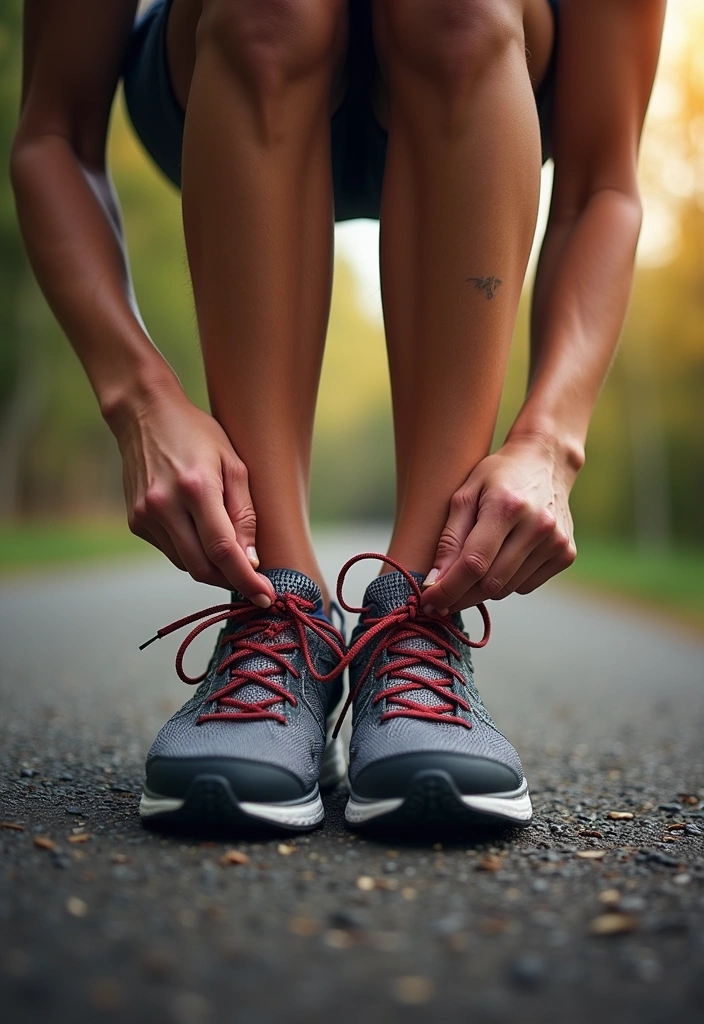
Comfortable walking shoes
Lightweight rain jacket
Universal power adapter
Travel Essentials You Can’t Forget
There are a few things I always take with me. A universal power adapter is a must, as Europe has different sockets. I also carry a portable charger to keep my devices charged. Remember to pack a travel-sized toiletry bag with essentials like toothbrush, toothpaste, and personal hygiene items.
By following these tips, you’ll be ready for your European adventure. You’ll have a smooth and enjoyable journey.
Navigating European Cities Efficiently
Exploring Europe’s cities is exciting but can be tricky. Knowing how to get around is crucial for a great trip. Each city has its own history and culture, making it both thrilling and complex. But, with some insider tips, you can enjoy them without stress.
Understanding Public Transportation
Public transport is a key to moving around European cities smoothly. Paris and London have great metro systems, while Rome and Barcelona have wide bus networks. Getting a local travel card or pass can save you money and make travel easier.
Tips for Using Public Transportation:
Research the public transport options available in the cities you plan to visit.
Consider purchasing a travel card for convenience and savings.
Familiarize yourself with the transport maps and schedules.
Walking Tours: A Great Way to Explore
Walking tours are a wonderful way to see European cities. They offer deep insights into history and culture. Plus, you get to see the city like a local. I loved the tours that showed me secret spots I wouldn’t have found alone.
Benefits of Walking Tours:
Gain insights into the local culture and history.
Discover hidden gems and off-the-beaten-path locations.
Enjoy the physical activity while exploring the city.
Using Maps and Travel Apps
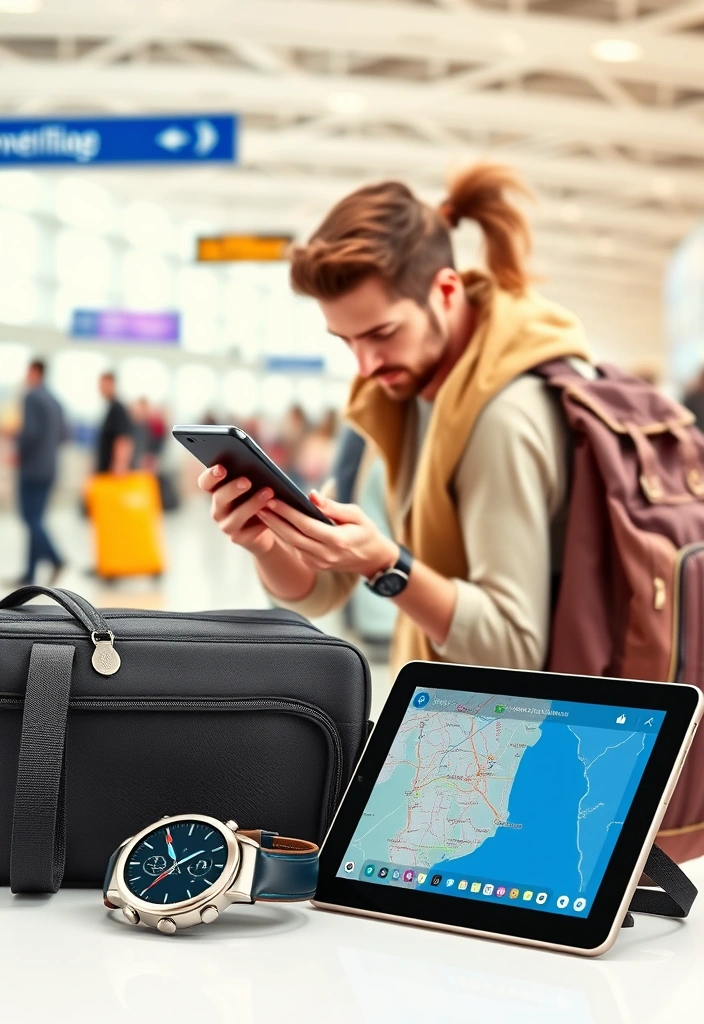
Maps and travel apps are essential in today’s world. Apps like Google Maps and Citymapper give you real-time transport info. Offline maps are also handy when Wi-Fi is scarce.
Tips for Using Maps and Travel Apps:
Download necessary maps and apps before your trip.
Use real-time transit information to plan your journey.
Keep your device charged and consider a portable charger.
By using public transport, joining walking tours, and using maps and apps, you can explore European cities confidently. This way, you’ll make the most of your travel adventures.
Finding Budget-Friendly Accommodations
Traveling in Europe can be expensive, but there are ways to save. Booking your stay early is a great tip. It helps you find cheaper rates and ensures you get a room.
Early booking can lead to big savings. Hotels and hostels offer special deals for early birds. As Henry Ford said,
“The best reward for a job well done is the opportunity to do more.”
In this case, the reward is saving money on your stay.
Popular Budget Hotel Chains
Some hotel chains are known for being affordable without sacrificing quality. Ibis, Premier Inn, and Travelodge are great choices. They offer comfy rooms at good prices, with all the basics you need.
Hostels vs. Hotels: Pros and Cons
Choosing between hostels and hotels depends on what you want. Hostels are cheaper and social, perfect for meeting people. But, they have shared spaces.
Hotels give you privacy and more amenities, like private bathrooms and breakfast. They might cost more, but budget hotels can be a good deal.
Hostels: Social atmosphere, affordable, shared facilities.
Hotels: Privacy, range of amenities, potentially more expensive.
Tips for Booking in Advance
Here are some tips for booking early:
Use travel websites and apps to compare prices.
Sign up for newsletters from hotels and booking sites for special offers.
Be flexible with your travel dates to find the best prices.
By using these tips, you can have a comfortable and affordable trip in Europe. A bit of planning can make your journey enjoyable and worry-free.
Dealing with Language Barriers
Traveling in Europe can be tough because of language barriers. Knowing the local language makes your trip better. Here are some essential European travel tips to help you.
Basic Phrases to Know
Learning basic phrases is key. Saying “hello,” “thank you,” and “excuse me” helps a lot. For example, in France, “bonjour” and “merci” get you smiles.
When in Rome, do as the Romans do.
Here are some phrases to learn for popular European languages:
Language apps are now essential for travelers. Google Translate and iTranslate help with communication and reading signs. They were super useful for me when I was trying to order food or find directions.
When to Use a Translator
Language apps are great, but sometimes a translator is better. For complex documents or detailed talks, a translator is essential. Some countries also need official documents translated.
Looking back, having the right language tools made my trip better. With basic skills and technology, your trip can be more fun and stress-free.
Delicious Local Foods You Must Try
As I travelled through Europe, I found that trying local food is key. The food in each country shows off their culture and history.
Regional Dishes to Explore
Every region in Europe has its own special dishes. In Italy, you must try risotto alla Milanese, a creamy dish from Milan. Spain’s paella, a rice dish from Valencia, is also a must-try.
In France, don’t miss coq au vin, chicken cooked in red wine. Greece’s moussaka, a layered eggplant and meat dish, is unforgettable.
Street Food vs. Fine Dining
Europe has many dining options, from street food to fancy restaurants. Street food is great for trying local tastes without spending much. For example, a traditional German sausage in Berlin or patatas bravas in Madrid are musts.
Fine dining offers a fancy meal with innovative dishes and top service. Visiting a Michelin-starred restaurant is a trip highlight.
Where to Find Authentic Cuisine
To find real local food, eat where locals do. Look for busy places and menus in the local language.
Also, visit local markets to see food culture up close. Many cities have markets where you can try dishes and buy fresh food.
Managing Your Money While Traveling
Handling your money wisely is key to a stress-free European trip. Knowing how to manage your finances can greatly improve your travel experience.
Understanding Currency Exchange Rates
Before you head to Europe, learn about currency exchange rates. The Euro is common in many countries, but some use their own currency. Knowing the current exchange rate helps with budgeting.
To get a good exchange rate, use a reliable service or a credit card with no foreign fees. Don’t exchange money at airports or tourist spots, as rates are often worse there.
Using Credit Cards vs. Cash
Combining credit cards and cash is a smart way to manage expenses. Credit cards are secure and widely accepted in Europe. But, keep some local currency for small buys or places that don’t take cards.
Tell your bank about your travel plans to avoid transaction issues.
Key Considerations:
Notify your bank of your travel plans.
Use credit cards with no foreign transaction fees.
Have some local currency for small purchases.
Budgeting Tips for Daily Expenses
It’s important to budget daily expenses to enjoy your trip without money worries. Start by guessing your daily costs for food, transport, and activities.
Consider using a budgeting app to keep track of your spending. Apps like these let you categorise and set spending limits.
Plan your daily expenses in advance.
Use budgeting apps to track your spending.
Adjust your budget as needed based on your spending habits.
By understanding currency exchange rates, using credit cards wisely, and budgeting daily, you can have a more relaxed and enjoyable trip to Europe.
Staying Connected While Abroad
In today’s world, staying in touch while traveling is key. You can easily keep in touch with loved ones and find your way around. There are many ways to do this.
Choosing the Right SIM Card
Getting the right SIM card is a smart move for travelers in Europe. You can buy prepaid SIM cards at airports, stores, or phone shops. They come with data plans that are good for travelers.
Look at the coverage and data speeds of different SIM cards. Vodafone and Orange are good choices because they cover a lot of Europe. Make sure your phone is compatible and the rates are good for international use.
Wi-Fi Hotspots Across Europe
Wi-Fi hotspots are everywhere in Europe. Cafes, restaurants, and public areas offer free Wi-Fi. Many cities also have public Wi-Fi networks.
But, be careful with public Wi-Fi. Use a Virtual Private Network (VPN) to keep your data safe from hackers.
Apps to Stay In Touch
There are many apps to help you stay in touch. WhatsApp and Facebook Messenger let you message, call, and share your location. Google Maps helps you find your way and local spots.
With the right SIM card, Wi-Fi, and apps, you can stay connected in Europe. This makes your trip better, safer, and more convenient.
Cultural Etiquette in Different Countries
As I travelled across Europe, I learned that knowing cultural etiquette is key. Each country has its own customs and practices. Being aware of these can make your trip better.
Greetings and Manners
Greetings change a lot across Europe. In France, saying “bonjour” to shopkeepers is polite. In Germany, “hallo” or “guten tag” works well. In Italy, a warm “buongiorno” or “buona sera” can really help.
In Spain, friends often greet with a kiss on each cheek.
In the UK, a simple “hello” or “good morning” is fine.
In Greece, “Γεια σας” (geia sas), meaning “cheers to your health,” is a friendly greeting.
Dressing Appropriately for Various Settings
Dressing right is also important. For example, in churches or cathedrals, you should dress modestly. In Turkey, you might need to remove your shoes before entering a mosque.
In formal places, like nice restaurants, dressing up is expected. In Italy, people often dress stylishly, even for casual outings.
For men, a smart shirt and trousers are usually enough.
For women, a dress or skirt with a nice top is often right.
Tipping Norms Across Europe
Tipping rules differ a lot across Europe. In some places, tipping is seen as polite, while in others, it’s not needed or even considered rude.
In the UK, a 10-15% tip is standard if no service charge is added.
In Germany, leaving a small tip or rounding up the bill is common.
In France, a service charge is usually included, but a few extra euros are appreciated.
Knowing these cultural differences can really improve your European travel. It makes your trip more enjoyable and respectful.
Exploring Europe by Train
As I travelled across Europe by train, I found it to be both convenient and beautiful. The extensive rail network makes it simple to see the continent. It connects major cities and charming towns with ease.
Advantages of Rail Travel
Train travel in Europe has many perks. It offers scenic views, comfort, and is very convenient. Unlike flying, you get to see the countryside and enjoy the scenery.
Scenic Routes: Many train routes go through stunning landscapes, like the Swiss Alps and the Italian countryside.
Comfort: Trains have more room than planes or buses, making long trips more comfortable.
Convenience: Train stations are usually in the heart of cities, making them easier to get to than airports.
Popular Train Journeys
Europe boasts some of the world’s most famous train journeys. They offer a blend of culture, history, and natural beauty.
The Orient Express: A luxurious train from Paris to Istanbul.
The Glacier Express: A scenic trip through the Swiss Alps.
The Thello: A night train from Paris to Venice.
Buying Train Tickets
Buying train tickets in Europe is easy if you know a few tips.
Book in Advance: Many trains offer discounts for early bookings.
Use Rail Passes: For lots of travel, consider a rail pass for savings and flexibility.
Check Routes and Schedules: Plan your trip with reliable resources like national rail websites or travel apps.
By knowing the benefits and options, you can enjoy your European train travel to the fullest.
Understanding European Visa Requirements
Planning a European trip starts with knowing the visa rules. I learned that it’s key to understand the various visas and what they need. This makes your journey smoother.
Schengen Visa Explained
The Schengen Visa is a common choice for Europe visitors. It lets you stay in the Schengen Area for up to 90 days in 180 days. This visa suits tourists, business people, and those visiting family and friends. You must apply at the embassy of your first destination or where you’ll spend most time.
Tips for Visa Application
Getting a visa can seem hard, but with the right steps, it’s easier. Here are some must-know tips:
Make sure your passport is valid for three months after you leave the Schengen Area.
Give a detailed travel plan, including flights and hotels.
Show you have enough money for your stay.
Have travel insurance that covers €30,000 in medical costs.
Countries with Different Requirements
While many European countries accept the Schengen Visa, some don’t. The UK and Ireland have their own rules. It’s important to check each country’s needs. Some might need extra papers or have different ways to apply.
When planning your European trip, knowing the visa rules helps avoid problems. Being ready and knowing what to expect lets you enjoy your ultimate Europe travel experience.
Must-See Attractions Across Europe
Europe is full of historical sites, natural wonders, and unique experiences. My travels across this amazing continent remind me of the many attractions it offers. These make Europe a paradise for travelers.
Historical Sites You Can’t Miss
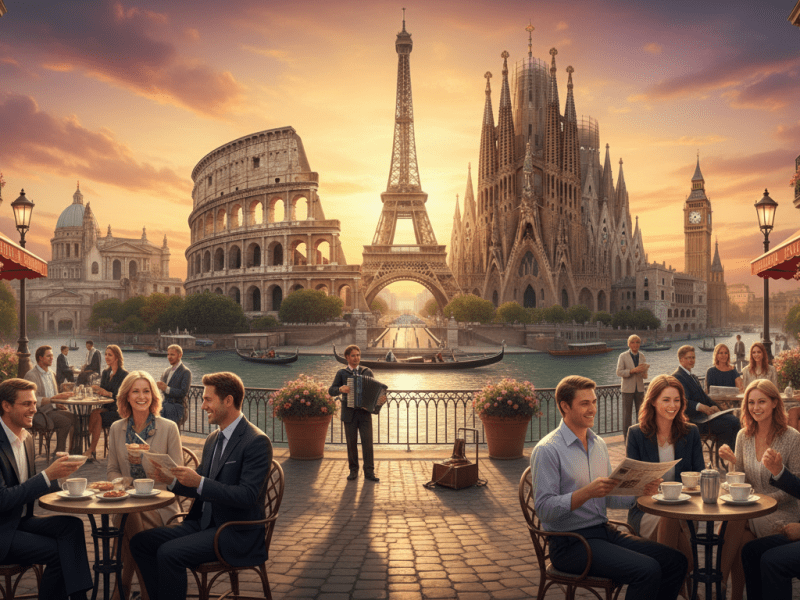
Europe is rich in history, with landmarks that have lasted for centuries. The Colosseum in Rome shows the ancient Romans’ engineering skills. The Acropolis of Athens is a symbol of ancient Greek civilization, with architecture that still inspires awe.
In Prague, I was amazed by Charles Bridge. Its Gothic and Renaissance styles are stunning. The bridge is alive with street performers and vendors, adding to its charm.
Natural Wonders to Explore
Europe is also home to incredible natural wonders. The Grand Canal of Venice is a mix of natural and human-made beauty. The Norwegian Fjords are breathtaking, with their calm beauty and grand scale.
Traveling through the Scottish Highlands was captivating. The rugged landscapes and serene lochs show Europe’s natural beauty. The Swiss Alps offer stunning scenery, with their snow-capped peaks and villages.
Unique Local Experiences
Traveling in Europe lets you experience unique local cultures. The Tomatina festival in Spain and the Christmas markets in Germany are unforgettable. Dancing in a Greek taverna showed me the warmth and hospitality of European culture.
“The world is a book, and those who do not travel read only one page.” – Saint Augustine
Europe has something for everyone, from historical sites to natural wonders and local cultures. It promises unforgettable memories for all who visit.
Travel Insurance: Why It’s Important
As you get ready for your European trip, remember to think about travel insurance. It’s a key part of your travel plans. It helps protect you financially if things don’t go as planned, like trip cancellations or lost luggage.
Key Elements of a Travel Insurance Policy
When picking a policy, make sure it covers medical costs, trip cancellations, and delays. Knowing what to look for is important. It ensures you’re well-protected.
Types of Coverage You May Need
Depending on your plans, you might need extra coverage. This could be for adventure sports or visiting risky areas. It’s a good idea to think about these when choosing your insurance.
Purchasing Travel Insurance
Buy your insurance as soon as you book your trip. This way, you’re covered for any unexpected events that might cause you to cancel. With insurance, you can travel Europe with confidence, following expert travel tips.