By Patrizia Riello Pera, Padua, Italy.
In 1990, Dacia Maraini won the Campiello Prize with “La lunga vita di Marianna Ucrìa”, an intense and memorable novel set in the aristocratic Sicily of the eighteenth century, where the splendour of palaces, the rigidity of social hierarchies, and the hidden violence of family relationships form the backdrop to the story of a woman destined from childhood to live without a voice.
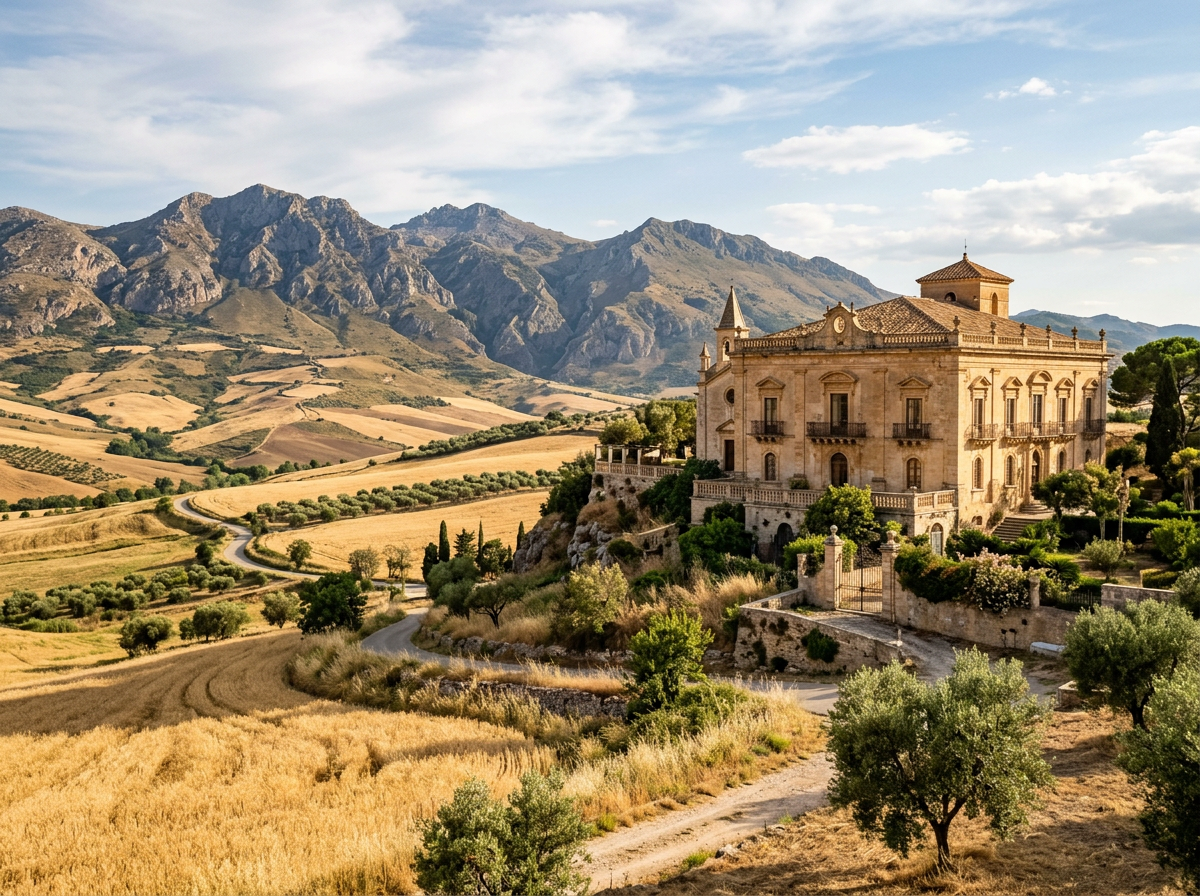
Marianna, deaf and mute, grows up in a world that speaks over her, decides for her, observes her, judges her, and places her within a role already established, yet precisely from this condition of exclusion arises the most original core of the novel. Maraini does not merely recount the life of a woman oppressed by the conventions of her time, but constructs a different form of perception of reality, entrusted to eyes, gestures, signs, letters, the smallest details, and the silent vibrations of things. The protagonist learns to read the world without possessing the common voice of others, and this apparent lack slowly becomes a sharper, freer, and more painful instrument of knowledge. Eighteenth-century Sicily emerges through smells, fabrics, closed rooms, carriages, servants, noble rituals, and power relations, composing an environment that is rich and suffocating, fascinating and cruel, in which beauty coexists with oppression.
Maraini’s writing proceeds with clarity and visual force, avoiding mere historical reconstruction and focusing instead on the concrete experience of a woman who must conquer space, thought, and identity within a society built to restrict her. The novel thus addresses the theme of freedom not as an abstract declaration, but as a slow inner apprenticeship: the freedom to understand, to remember, to desire, to choose, and above all to give a name to what has been silenced.
Marianna becomes a literary figure of great power because she is not reduced to her impairment or to her suffering; on the contrary, her story shows how lucidity, resistance, and moral autonomy can arise even within an imposed condition. With “La lunga vita di Marianna Ucrìa”, Dacia Maraini offers a profoundly human historical novel, capable of making the reader feel both the weight of silence and the secret strength of a consciousness formed against the rules of its own world. The 1990 Campiello Prize honoured a work that restores to a woman deprived of voice the full complexity of a gaze, a thought, and a life.
https://patriziarielloperalibri.it/blog-patrizia-riello-pera

Manuale Creativo per Fotografi Ribelli
40 idee per riscattare il tuo sguardo fotografico. Un libro di Massimo Usai per chi vuole guardare il mondo con occhi nuovi.
Acquista su Amazon In qualità di Affiliato Amazon ricevo un guadagno dagli acquisti idonei.Scopri di più da Urban Mood Magazine
Abbonati per ricevere gli ultimi articoli inviati alla tua e-mail.


