
This story is part of the serie: One Line, One Life
There’s a language that exists before anyone opens their mouth. You’ve seen it. The way someone enters a room and the room shifts — not because of volume or spectacle, but because of something quieter. Presence. The accumulated weight of everything they’ve lived through, expressed not in words but in bearing.
Fashion understands this instinctively. The best designers have always known that clothing isn’t decoration — it’s narration. A worn leather jacket isn’t just a jacket. It’s a timeline. A carefully pressed white shirt on someone who clearly doesn’t care about impressing anyone tells you more about their confidence than any speech could. The scuffed boots that someone chose to keep repairing instead of replacing. The silk scarf tied not for warmth but for ceremony. These aren’t choices. They’re chapters.
But it goes deeper than fabric. The way you sit. The way you listen. Whether your hands are restless or still. These are the pages of a story that most people never get to read in full, but everyone can feel.

Think about the people in your life who survived things they never talk about. You know their stories anyway. Not because they told you, but because you watched them live. The steadiness in their voice. The way they handled a crisis without theatre. The way they loved without announcing it.
There’s a reason we’re drawn to old photographs of strangers. A woman standing in a doorway in 1920s Napoli, hands folded, looking straight into the lens with an expression that dares the camera to look away. We don’t know her name. We don’t know what happened to her. But we know she carried something, and she carried it well. Her posture tells us everything the caption doesn’t.
In an era of over-sharing and personal branding, there’s something radical about the idea that your most important story might be the one you never post, never pitch, never perform. It just lives in the way you move through the world. Not curated. Not captioned. Not asking for approval.
Consider this: every time you get dressed in the morning, you’re not choosing an outfit. You’re choosing which chapter of yourself to make visible. The meeting where you wore something slightly too bold because you needed to feel brave. The date where you picked the simplest thing in your wardrobe because you wanted to be seen, not your clothes. The funeral where your dark coat was the only thing holding you together.
We tell ourselves that style is superficial. But superficial things don’t make people cry in fitting rooms. Superficial things don’t make you keep your grandmother’s ring in a drawer you open when you need courage.
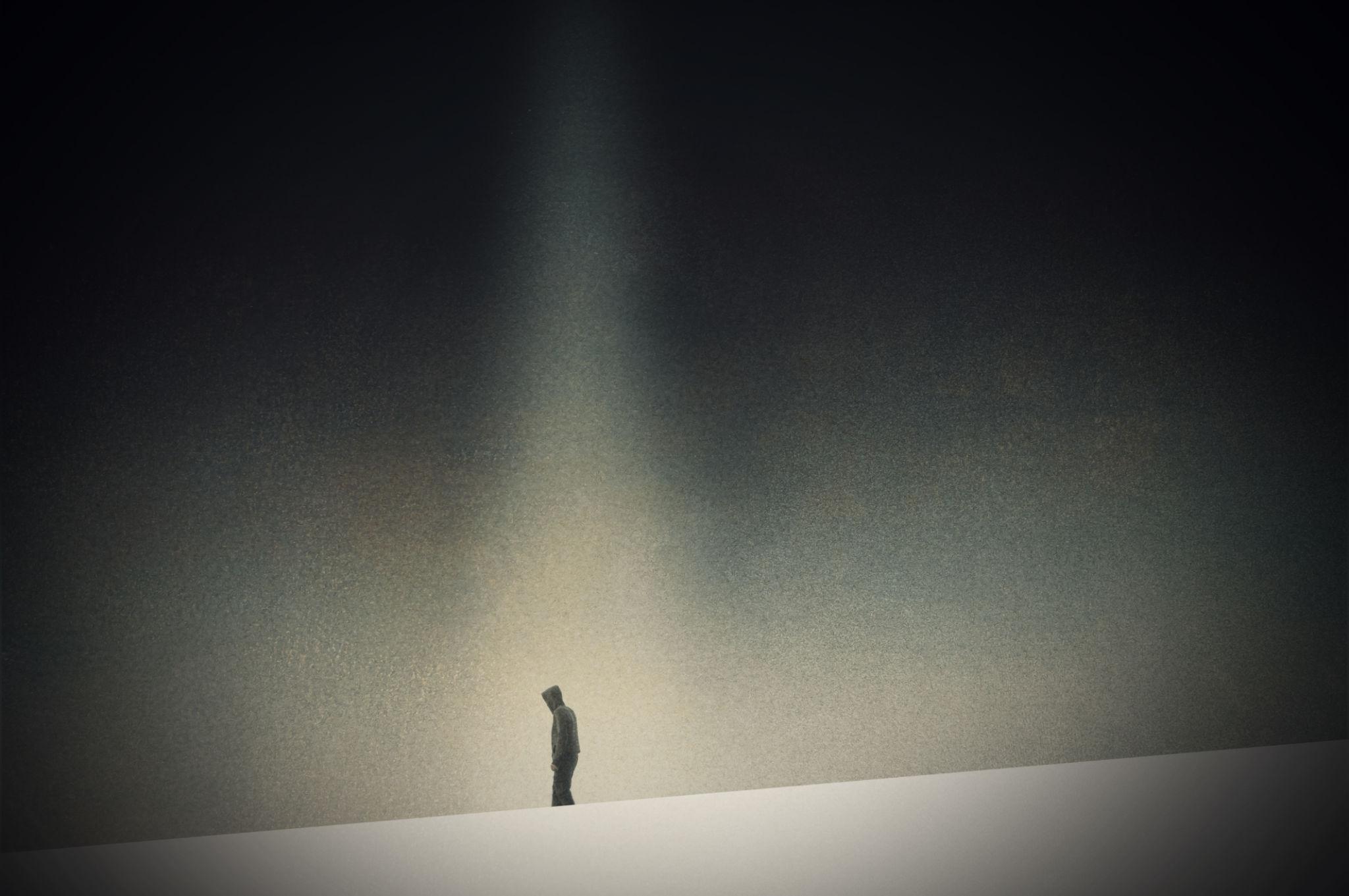
Maybe the most honest form of self-expression isn’t what you say about yourself, but what people feel when you walk into the room. The story you carry in your spine. The quiet autobiography of your silhouette.
Some stories survive only in how we carry ourselves. And sometimes, that’s the version worth keeping.
Inspired by: “Some Stories Survive Only in How We Carry Ourselves” — MonoQuote, Un/Spoken Collection


Manuale Creativo per Fotografi Ribelli
40 idee per riscattare il tuo sguardo fotografico. Un libro di Massimo Usai per chi vuole guardare il mondo con occhi nuovi.
Acquista su Amazon In qualità di Affiliato Amazon ricevo un guadagno dagli acquisti idonei.Scopri di più da
Abbonati per ricevere gli ultimi articoli inviati alla tua e-mail.


1 comment
[…] sul destinatario: basta scegliere le parole che lo rappresentano. Come raccontiamo nel nostro pezzo “You Are the Story You Wear”, indossare — o appendere — una frase è un modo per […]