
Inspired by: “What Mattered Most Rarely Stays Written” — MonoQuote, Un/Spoken Collection
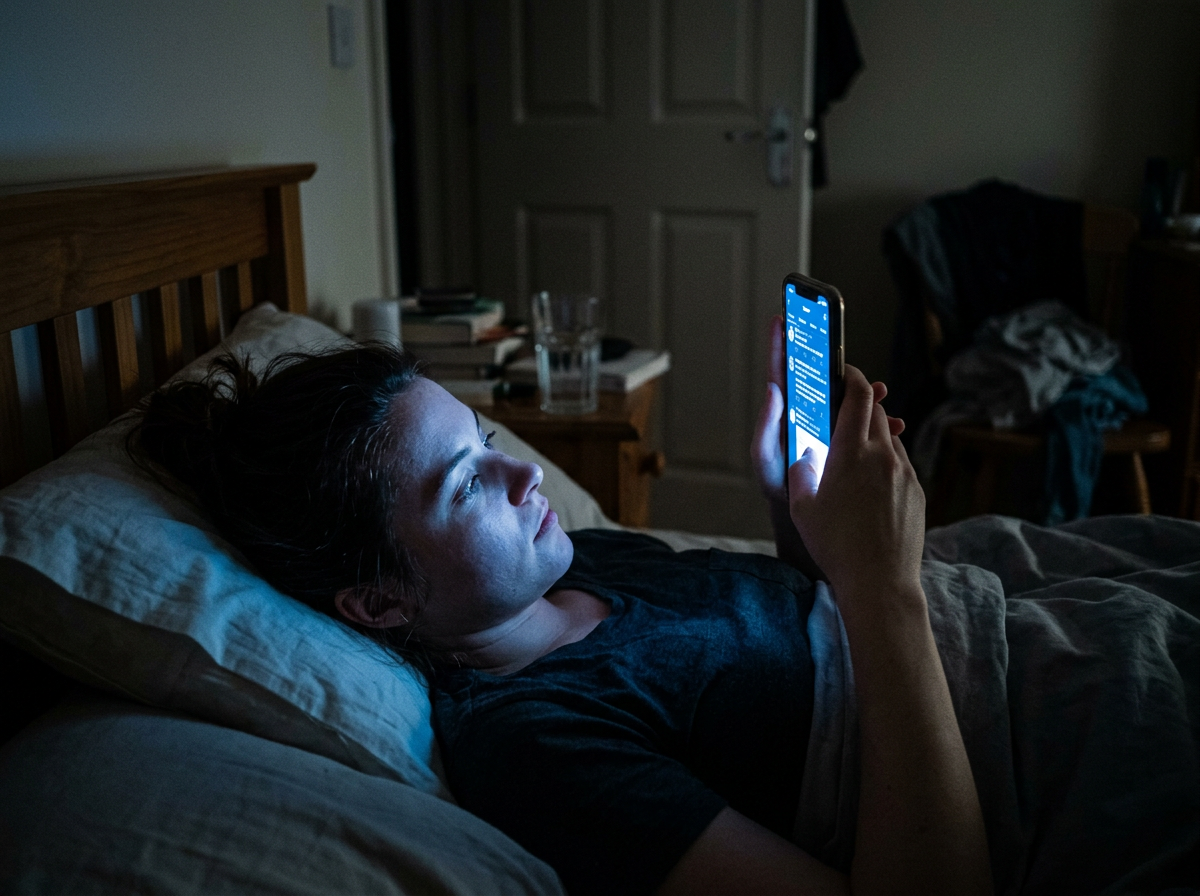
Open your phone. Scroll through your notes app. What’s there? Grocery lists. Flight numbers. Passwords you swore you’d remember. A half-finished thought from 3am that made perfect sense at the time and now reads like a telegram from a stranger. Maybe an address for a restaurant you never went to. Maybe a quote you copied from somewhere and forgot why.
Now close the app and think about the last moment that genuinely changed you.
Is it in there? It almost certainly isn’t.
We are the most documented generation in human history. We photograph our meals, record our workouts, archive our conversations in threads that scroll for years. We have more written records of our daily existence than any civilisation before us. And yet there’s a growing suspicion — felt by anyone who’s scrolled back far enough through their own archive — that we’ve been recording the wrong things.
The moments that reshape a life don’t announce themselves with a notification. They arrive disguised as ordinary afternoons. A Tuesday in October when you’re walking home and something shifts — not dramatically, not cinematically — just a quiet internal click, like a lock finding its key. You won’t write it down because it doesn’t seem important yet. By the time you realise it was the turning point, the details have softened into feeling. You remember the temperature of the air but not the date. The song that was playing but not the street.
Our obsession with documentation has created a paradox. The more we record, the less we remember. There’s a well-studied phenomenon in cognitive psychology: the act of photographing an experience actually reduces your memory of it. Your brain outsources the remembering to the device, and the lived experience gets thinner. We trade depth for evidence. We swap the feeling for the file.
The truly significant moments resist capture because they’re not events — they’re shifts. The night you stopped being angry at your mother. The morning you woke up and, for the first time in months, didn’t feel the weight of something you couldn’t name. The conversation that ended a friendship — not the dramatic argument you could screenshot, but the quiet realisation three days later that you simply didn’t want to call them anymore.
These moments live in the body, not the archive. They survive as sensations, as instincts, as the vague but unmistakable feeling that you were different before this and different after it. They’re the chapters of your life that would make the worst social media posts and the best literature.
Maybe the solution isn’t to document more carefully. Maybe it’s to accept that the most important parts of our lives were always going to escape the page. That memory, in its imperfect and selective way, is actually a better editor than we are. It keeps the temperature and throws away the timestamp. It preserves the feeling and lets the facts blur. And maybe — just maybe — that’s exactly what matters.
The next time something important happens, you won’t know it’s happening. And you won’t write it down. And years from now, it will be the thing you remember most clearly.
What mattered most rarely stays written. Perhaps that’s how you know it mattered.
This essay was inspired by a print from the Un/Spoken collection by MonoQuote — minimalist literary posters designed in Italy.
from the same serie of stories click here.


Manuale Creativo per Fotografi Ribelli
40 idee per riscattare il tuo sguardo fotografico. Un libro di Massimo Usai per chi vuole guardare il mondo con occhi nuovi.
Acquista su Amazon In qualità di Affiliato Amazon ricevo un guadagno dagli acquisti idonei.Scopri di più da
Abbonati per ricevere gli ultimi articoli inviati alla tua e-mail.


