
By Roberto Pili
The concept of ageing is undergoing a profound transformation. The goal is no longer simply to extend lifespan, but to enhance the biological quality of the years we gain. Longevity without functionality is no longer considered sufficient. Within this evolving framework, the World Longevity Community has taken a significant step by formally including Ziziphus jujuba — commonly known as jujube or Chinese date — among its selected functional foods for healthy ageing.
The announcement was delivered by President Roberto Pili during the Palermo conference organised under the Interreg Sicily–Tunisia programme. This recognition is not a nostalgic nod to botanical tradition, but rather a scientific endorsement of a phytochemical profile capable of interacting with key cellular ageing mechanisms.
From Ancient Wisdom to Modern Evidence
Ziziphus jujuba is far from a newcomer to human nutrition. Native to Asia, it has been a cornerstone of Traditional Chinese Medicine for thousands of years, where it was used as a tonic to balance the Shen — often translated as “spirit” — and to harmonise vital energy.
What now draws contemporary scientific attention is the growing body of empirical research mapping its active compounds. Modern phytochemical analysis has identified bioactive constituents that help explain the fruit’s long-standing reputation for supporting resilience, metabolic balance and neurological wellbeing.
The Fruit: A Nutritional Evolution Through Ripening
The nutritional and sensory properties of jujube vary depending on its stage of maturation.

When fresh, it is crisp and apple-like, rich in water content and vitamin C.
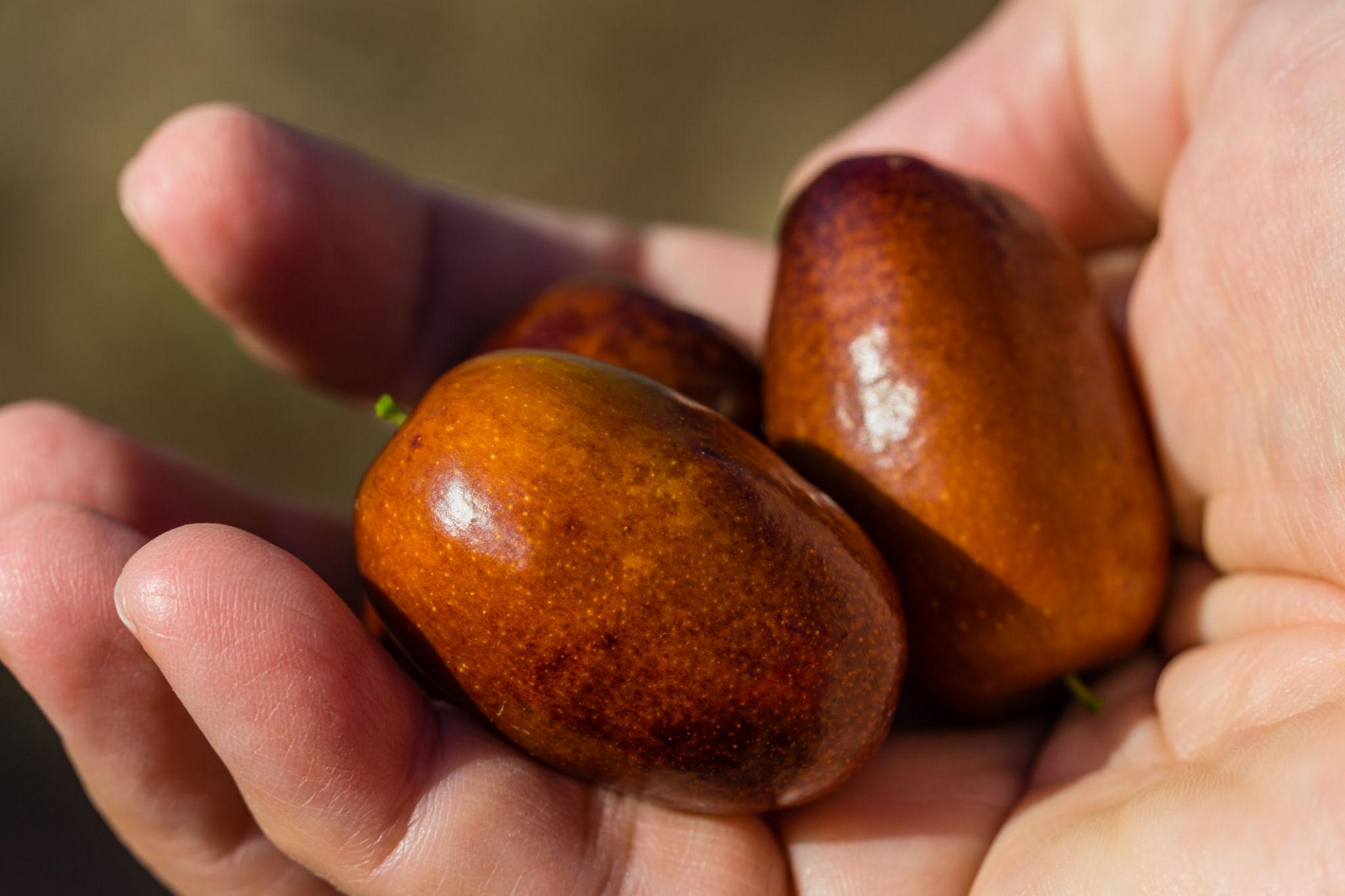
As it ripens, it turns reddish-brown, becoming softer and sweeter, with an increased concentration of polyphenols.
Once dried, it resembles a date, with concentrated bioactive polysaccharides, making it ideal for long-term storage and therapeutic infusions.
Five Functional Pillars Supporting Healthy Longevity
A food is considered “functional” when its effects extend beyond basic nutrition, triggering preventive physiological responses. Ziziphus jujuba has been recognised for five principal mechanisms relevant to healthy ageing.
- Protection Against Oxidative Stress
Ageing is strongly associated with the accumulation of cellular damage driven by free radicals. Jujube contains a synergistic combination of vitamin C, flavonoids and saponins. These compounds act as molecular scavengers, helping to reduce oxidative stress that damages DNA and accelerates tissue degeneration.- Immune System Resilience
With advancing age, the immune system may become either less responsive or chronically overactive — a phenomenon often described as “inflammageing”. The natural polysaccharides found in jujube appear to modulate immune responses, supporting a more balanced and resilient defence against environmental and biological stressors.- Metabolic and Cardiovascular Support
Cardiometabolic health remains central to longevity. Evidence suggests that jujube may contribute to stabilising blood glucose levels and improving lipid profiles. By supporting microcirculation, it may help preserve the functional integrity of vital organs, including the brain and kidneys.- Gut Microbiota Balance
Dietary fibre and polysaccharides in the fruit function as prebiotics, nourishing beneficial gut bacteria. The microbiome is increasingly recognised as a regulator of systemic inflammation, immune efficiency and even cognitive health. Supporting gut diversity therefore becomes a strategic intervention for long-term wellbeing.- Neuroactive Potential of the Seeds
While the pulp nourishes the body, the seeds — known in Chinese herbal tradition as Suan Zao Ren — are particularly valued for their neuroactive properties.

They contain jujubosides A and B, triterpenoid saponins that interact with GABAergic systems, potentially promoting relaxation and improving sleep quality without the dependency risks associated with synthetic sedatives. Another compound, betulinic acid, has attracted interest for its neuroprotective properties, relevant to cognitive preservation.
Practical Applications and Suggested Intake
The World Longevity Community proposes integrating jujube into daily routines through several forms:
Fresh fruit: consumed seasonally, primarily for immune support.
Dried fruit: three to five fruits per day for sustained energy and digestive health.
Infusion: three to four dried fruits simmered for approximately 15 minutes, particularly suited to evening relaxation and sleep support.
Standardised extract: 250–500 mg daily, typically used for stress and mild anxiety management.
Any supplementation, particularly in extract form, should be undertaken responsibly and preferably with professional advice.
A Model of Sustainable Development and Mediterranean Cooperation
The recognition of Ziziphus jujuba also carries strategic significance beyond nutrition. Within the Interreg Sicily–Tunisia collaboration framework, the plant symbolises sustainable agriculture in Mediterranean climates.
Jujube trees are drought-resistant, require minimal irrigation and adapt well to arid conditions. Promoting their cultivation aligns environmental sustainability with public health objectives, creating a model of agricultural production that is both ecologically responsible and nutritionally valuable.
Healthy Ageing as Active Functioning
Including jujube among longevity-supporting foods reflects a modern paradigm shift. The ambition is not merely to prolong life, but to preserve vitality, cognitive clarity and emotional stability over time.
Through its combined antioxidant, metabolic and neuro-supportive properties, Ziziphus jujuba represents a compelling example of how traditional botanical knowledge and contemporary biomedical science can converge. In doing so, it offers a practical tool for those seeking not simply longer lives, but lives characterised by sustained function, autonomy and resilience.

Manuale Creativo per Fotografi Ribelli
40 idee per riscattare il tuo sguardo fotografico. Un libro di Massimo Usai per chi vuole guardare il mondo con occhi nuovi.
Acquista su Amazon In qualità di Affiliato Amazon ricevo un guadagno dagli acquisti idonei.Scopri di più da
Abbonati per ricevere gli ultimi articoli inviati alla tua e-mail.


