
A personal reflection starting from a nobel prize author and his words
Naguib Mahfouz was an Egyptian writer. One of the important ones.
The only Arabic-language writer to have won the Nobel Prize. It happened in 1988.
He was a writer of which I have read little to date. Anyway, there are some of his sentences that have become a symbol and a way of thinking.
I have to read his books or some of them.
I need to read more books of him because at the basis of his philosophy there is this quote:
“In all my writings, you will find politics. You may find a story which ignores love or any other subject, but not politics; it is the very axis of our thinking.“
I also can’t avoid politics in my words. Although I’m certainly not a writer.
At least not one of the “real ones” who write books and win the Nobel Prize.
But today, inspiration comes from Naguib Mahfouz because he said a phrase that has become an icon, one of those phrases that end up on Pinterest or on Instagram frequently.
“Home is not where you were born. Home is where all your attempts to escape cease.”
Naguib Mahfouz
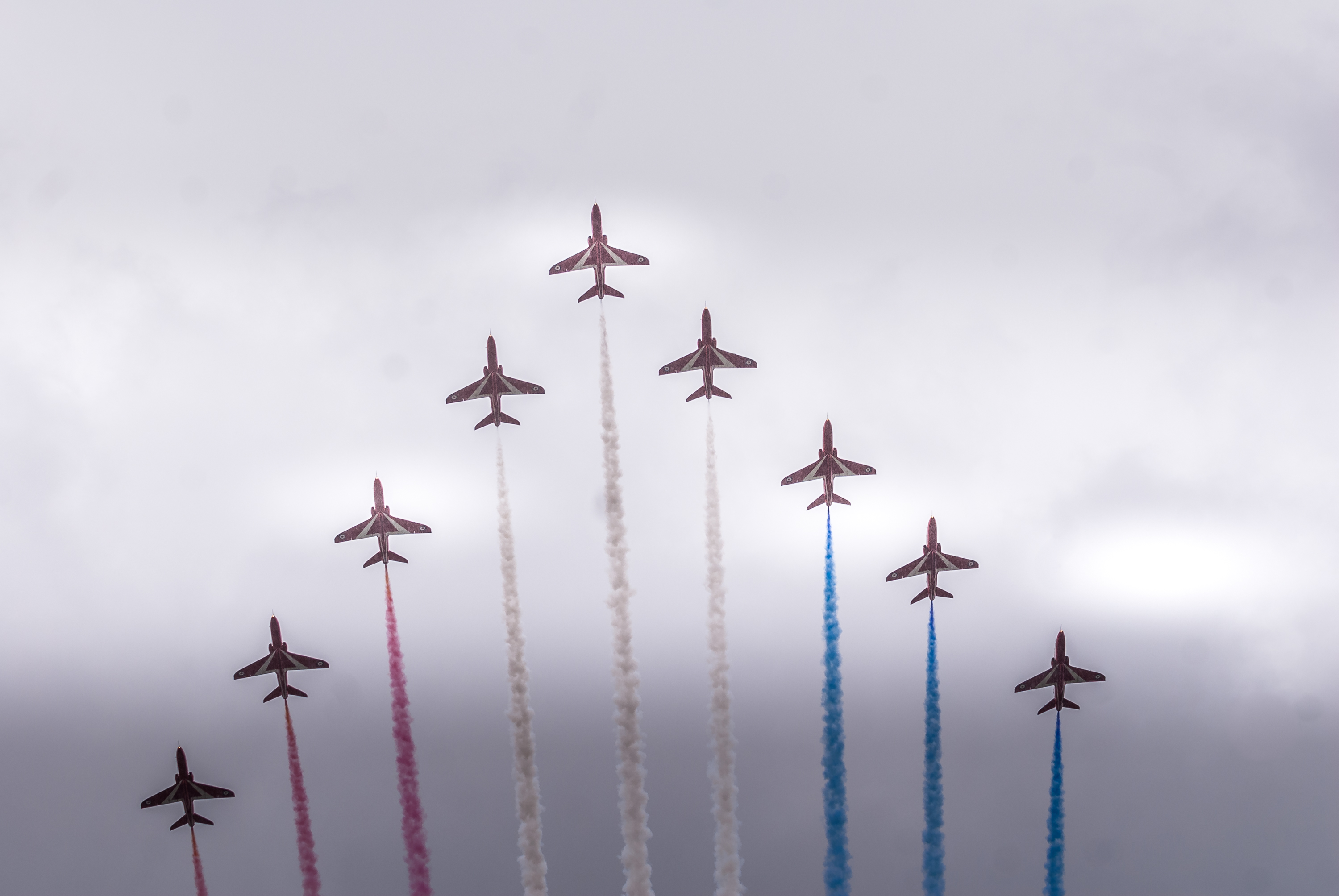
I spent 20 years in England, and for 17 years, I stopped planning trips. Every day I got up, went to work, and it was a journey for me.
You know fate is mocking, don’t you?
When I left Italy, in search of a new home in England, I landed tired and in a lousy mood. This was because ‘I no longer felt’ the place where I lived as what they had to give me the feeling that the escape was over.”
I was a stone’s throw from the most famous tennis courts in the world. My house had a view in the back on a green garden.
From the front window, I could see children of every colour and religion every day, go to the nearby school and immediately my daughter also attended that school.
It was a journey, an experience, even accompanying her to school.
But after 17 years, an episode, a kind of political atomic bomb. A mark on a ballot paper changed everything.
So what used to be my “Home” is much less now. My escape attempts to continue, waiting to find the house from which I will no longer have to escape.


“Fall on the Berlin Wall”: cosa si nasconde tra le pagine del libro? Intervista all’autore Lorenzo Zucchi
In Fall on the Berlin Wall hai immaginato un 2038 nel quale l’umanità, dopo la Terza Guerra Mondiale, è riuscita a risolvere alcuni problemi che sembravano insormontabili, senza però eliminare le contraddizioni della società. Da quale intuizione è nata la scelta di raccontare una distopia in cui il nuovo ordine mondiale ha prodotto anche miglioramenti…

Campiello 2018: At the Wolf’s Table
Campiello Prize 2018: Rosella Postorino’s Le assaggiatrici (At the Wolf’s Table), the women forced to taste Hitler’s food. A review by Patrizia Riello Pera.

L’ultima notte da falena di Clelia Moscariello: la poesia che osa guardare dove gli altri distolgono gli occhi
La sofferenza può assumere forme difficili da raccontare, soprattutto quando nasce dalla volontà altrui di trasformare una persona in qualcosa di docile, incapace di opporsi e costretta ad accettare decisioni che non le appartengono. Clelia Moscariello affronta questa dimensione dell’esperienza umana attraverso una sensibilità poetica che colpisce per la durezza delle immagini e per la…

Manuale Creativo per Fotografi Ribelli
40 idee per riscattare il tuo sguardo fotografico. Un libro di Massimo Usai per chi vuole guardare il mondo con occhi nuovi.
Acquista su Amazon In qualità di Affiliato Amazon ricevo un guadagno dagli acquisti idonei.Scopri di più da Urban Mood Magazine
Abbonati per ricevere gli ultimi articoli inviati alla tua e-mail.


