
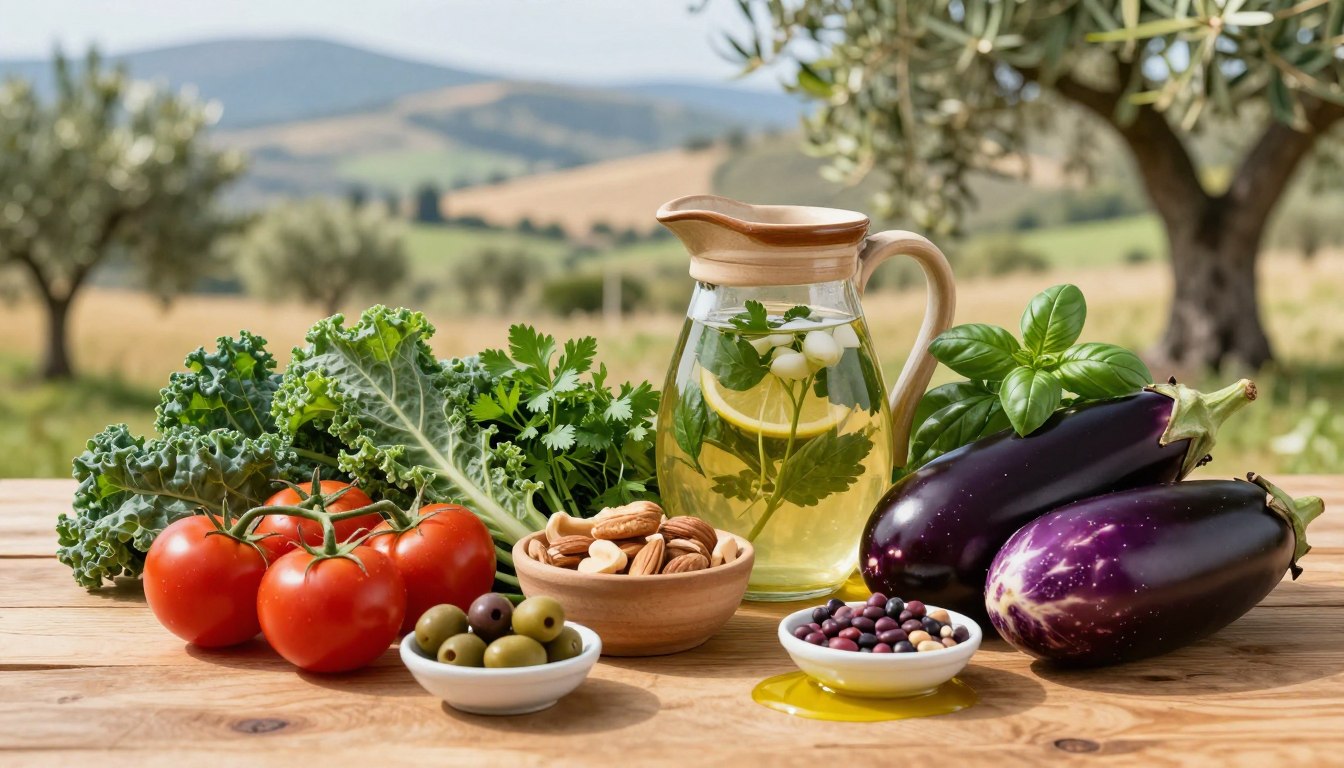
Imagine living a longer, healthier life, free from chronic diseases. The Blue Zones Diet is a promising way to achieve this. It involves adopting the healthy eating habits of people in long-lived areas.
Research has found special places around the world, called Blue Zones. Here, people live longer and healthier. Their diet is rich in plant-based foods, whole grains, and healthy fats.
By learning and following these dietary patterns, you can live longer and better. It’s a chance to improve your life’s quality.
Key Takeaways
- Adopting a longevity diet can lead to a longer and healthier life.
- The Blue Zones Diet is based on the eating habits of communities known for their longevity.
- Key components include a high intake of plant-based foods and whole grains.
- Embracing healthy eating habits can significantly improve overall well-being.
- Understanding and adopting these dietary patterns can enhance life expectancy and quality of life.
What is the Blue Zone Diet?
The Blue Zone Diet is more than just a diet. It’s a way of eating and living inspired by people who live long and healthy lives. These areas are known as Blue Zones.
Origins of the Blue Zone Diet
Dan Buettner first talked about Blue Zones. He found places like Sardinia, Italy; Okinawa, Japan; the Nicoya Peninsula, Costa Rica; and Ikaria, Greece. People in these places live longer and healthier than most.
The Blue Zone Diet is based on what these people eat. It focuses on a plant-based diet with lots of fruits, veggies, and whole grains. It also includes healthy fats and lean proteins. This diet is part of a lifestyle that keeps people well.
Key Components of the Diet
The Blue Zone Diet has a few main points. It’s mostly plant-based, with lots of fruits, veggies, and legumes. Whole grains are also key, giving fiber and nutrients. Healthy fats like olive oil and nuts are used in small amounts. Lean proteins, like beans and fish, are chosen over others.
- A high intake of fruits and vegetables
- Whole grains as a staple
- Healthy fats, such as olive oil
- Lean protein sources, including beans and fish
This diet is similar to the Mediterranean diet, which is also good for health. By following these eating habits, people can live healthier and longer lives.
The Science Behind Longevity
For centuries, humans have been fascinated by living longer. Recent studies highlight the importance of diet in increasing lifespan. It’s clear that diet, lifestyle, and genetics work together to help us live longer and healthier.
The Blue Zones Diet is based on the eating habits of people who live a long time. It shows how diet can affect our health and lifespan.
How Diet Affects Lifespan
Diet is key to how long we live. Food rich in plants, healthy fats, and whole grains can help us live longer. It lowers the risk of diseases like heart disease and cancer.
Dr. Dan Buettner, who studies Blue Zones, says, “The common denominator among all Blue Zones is not just a specific diet, but a way of eating that is deeply connected to the culture and lifestyle of the community.”
“The key to longevity is not just about what you eat, but how you eat, and the social connections that come with sharing meals.”

Studies on Blue Zones and Health
Many studies have looked at the health of people in Blue Zones. They found that following a Blue Zones-style diet can lower disease risk and improve health.
A study in the Journal of Gerontology showed Okinawans eat a lot of sweet potatoes, seaweed, and soy. This diet helps them live long. This shows the value of a balanced diet for aging well.
By learning about longevity and diet, we can adopt Blue Zones Diet principles. This could lead to a longer, healthier life.
The Five Blue Zones Around the World
The idea of Blue Zones has caught the interest of many. It shows five places where people live longer and healthier. These spots were found after studying the lifestyles of their residents.
Sardinia, Italy
Sardinia, an island off Italy, is famous for its many centenarians. Their diet is full of whole grains, fruits, and veggies. They also eat a lot of pecorino cheese, which is rich in omega-3s. Their active lifestyle, like walking and manual work, helps them live longer.
Okinawa, Japan
Okinawa, in southern Japan, is known for its long-lived people. Their diet is mostly plants, with lots of sweet potatoes, seaweed, and veggies. The idea of “Ikigai,” or finding purpose, is big in Okinawa. It helps their mental and emotional health.
Nicoya Peninsula, Costa Rica
The Nicoya Peninsula in Costa Rica is another Blue Zone. Their diet is rich in beans, corn, and squash. They also drink a lot of natural water. Strong family bonds and community ties are key to their well-being.
Icaria, Greece
Icaria, a small Greek island, has a lot of centenarians. Their diet includes lots of olive oil, fruits, and veggies. They also value social connections and relaxation. The island’s rough terrain encourages them to stay active.
| Blue Zone | Dietary Habits | Lifestyle Factors |
|---|---|---|
| Sardinia, Italy | Whole grains, fruits, vegetables, pecorino cheese | Physical activity, social connections |
| Okinawa, Japan | Plant-based, sweet potatoes, seaweed | Ikigai (purpose in life), stress reduction |
| Nicoya Peninsula, Costa Rica | Beans, corn, squash, natural water sources | Strong family ties, community engagement |
| Icaria, Greece | Olive oil, fruits, vegetables | Social connections, relaxation, physical activity |
These Blue Zones are different but share common habits. They show us how to live longer and healthier. By learning from them, we can adopt a longevity lifestyle based on Blue Zones principles.
Essential Foods in the Blue Zone Diet
The Blue Zone Diet centres on foods that boost longevity and health. It’s rich in plant-based foods, healthy fats, and whole grains. These elements are key to the health and long life seen in Blue Zones.

Plant-Based Focus
The Blue Zone Diet mainly focuses on plant-based foods. It includes fruits, vegetables, legumes, and tubers. For example, in Okinawa, Japan, sweet potatoes are a key food, offering vital nutrients and fibre.
Dr. Dan Buettner, a leading researcher on Blue Zones, says, “People in Blue Zones eat lots of vegetables, fruits, and legumes. They get a lot of fibre, antioxidants, and anti-inflammatory compounds.”
“The people in Blue Zones eat a lot of vegetables, fruits, and legumes. They’re getting a lot of fibre, a lot of antioxidants, and a lot of anti-inflammatory compounds.”
Healthy Fats and Protein Sources
The Blue Zone Diet also includes healthy fats and protein. Nuts and seeds are common, as are fatty fish in places like Ikaria, Greece. Beans and legumes are big protein sources too.
- Nuts and seeds (e.g., almonds, pumpkin seeds)
- Fatty fish (e.g., salmon)
- Beans and legumes (e.g., lentils, chickpeas)
The Importance of Whole Grains
Whole grains are vital in the Blue Zone Diet. They give lasting energy, fibre, and important nutrients. In Sardinia, Italy, whole grain bread is a mainstay.
Adding whole grains to your diet is easy. Just choose whole grain bread over white or swap brown rice for white.
By eating these key foods, people can follow a diet that supports long life and overall health.
Lifestyle Factors Enhancing the Blue Zone Diet
To get the most from the Blue Zone Diet, think about your lifestyle too. It’s not just about food. It’s also about how you live, who you spend time with, and how you handle stress.
Regular physical activity is key in Blue Zones. Unlike today, they don’t sit still much. They move by gardening, walking, or doing manual work.
Regular Physical Activity
Being active is vital for staying healthy and living longer. In Blue Zones, moving around is part of everyday life. It’s not seen as exercise but as a natural part of living.
“The way to get started is to quit talking and begin doing.”
- Gardening and farming activities that keep individuals physically active.
- Walking or cycling as a primary mode of transportation.
- Engaging in manual labour or other forms of physical work.
| Activity | Frequency | Benefits |
|---|---|---|
| Gardening | Daily | Improves flexibility and strength |
| Walking | Several times a week | Enhances cardiovascular health |
| Cycling | Daily | Boosts mental well-being |
Strong Social Connections
Having strong social connections is also crucial. People in Blue Zones have close family ties and feel part of their community. This helps them feel good overall.
To build strong social bonds, try community activities, spend time with family, and enjoy hobbies with others.
Mindfulness and Stress Reduction
Mindfulness and stress reduction are big in Blue Zones too. Meditation, yoga, and being in nature help lower stress. They make people feel calm and happy.
Some good ways to reduce stress include:
- Daily meditation.
- Yoga or tai chi.
- Being in nature or green spaces.
By adding these lifestyle habits to your day, you can make the Blue Zone Diet even better. It helps you live a longevity lifestyle that’s full of health and happiness.
How to Incorporate Blue Zones Principles into Your Life
Adopting Blue Zones principles can make your life longer and healthier. It’s easier than you think. Start by making small changes to your diet and lifestyle that you can keep up with.
One great way to follow Blue Zones is by changing your diet. The diet focuses on plants like fruits, vegetables, and whole grains. It’s about making good choices, not cutting out food.
Simple Meal Ideas
Starting with simple meals can really help. Try adding more plant-based dishes to your meals, like lentil soup or roasted veggies with quinoa. These are not only good for you but also simple to make.
- Lentil soup with whole grain bread
- Grilled veggies with brown rice
- Salads with beans and veggies
For more ideas, look into traditional Blue Zones recipes. Try the Okinawan sweet potato dish or Sardinian minestrone soup.
Building a Balanced Plate
Creating a balanced plate is key to following Blue Zones. Try to fill your plate with different foods, including:
| Food Group | Examples | Benefits |
|---|---|---|
| Fruits and Vegetables | Leafy greens, berries, citrus fruits | Rich in vitamins, minerals, and antioxidants |
| Whole Grains | Brown rice, quinoa, whole wheat bread | High in fibre, vitamins, and minerals |
| Protein Sources | Beans, lentils, nuts, seeds | Rich in protein, fibre, and healthy fats |
Portion Control and Timing
Controlling your portions and meal timing is important in the Blue Zones diet. Eating until you’re 80% full helps keep your weight healthy and lowers disease risk.
Also, think about when you eat. Eat your biggest meal at midday and a smaller one in the evening. This can help control your hunger and metabolism.
By following these tips, you can enjoy the benefits of Blue Zones and live a longer, healthier life.
Common Misconceptions About the Blue Zone Diet
As more people learn about the Blue Zone Diet, myths start to spread. This diet, linked to longevity, is often misunderstood. This confusion happens when people try to live healthier.
Clarifying Myths and Facts
Many think the Blue Zone Diet is all about food. But it’s more than that. It’s about a lifestyle that includes exercise, friends, and managing stress. For example, people in places like Sardinia and Okinawa are active and have strong community ties.
Some also believe it’s the same as the Mediterranean diet. While both diets focus on plants, they differ in food choices and cultural practices.
- The Blue Zone Diet stresses eating local and seasonal foods.
- It includes various proteins like beans and nuts.
- Whole grains are key in the Blue Zone Diet.
Understanding Blue Zone Lifestyle vs. Diet Alone
Following the Blue Zone lifestyle is more than just eating right. It’s about a holistic health approach. This includes regular exercise, strong social ties, and mindfulness. For instance, Icaria, Greece, is famous for its community spirit and low stress, which helps people live longer.
Seeing the Blue Zone lifestyle as a whole helps us understand its diet’s role. It encourages lasting lifestyle changes, not just dieting.
The secret to the Blue Zone Diet is a balanced lifestyle that boosts health and happiness.
The Role of Local and Seasonal Foods
Local and seasonal foods are key in Blue Zones. They ensure food is fresh and full of nutrients. They also help the local economy and cut down on carbon emissions from long-distance food transport.
Benefits of Eating Seasonal Produce
Eating seasonal produce has many health benefits. It means the food is at its best taste and nutrition. Seasonal foods are often eaten as they are, without preservatives or long storage.
Some main benefits include:
- More nutrients because the food is fresh
- Better taste, making meals more fun
- Helping local farms and reducing industrial farming

Supporting Local Farmers and Communities
Choosing local food helps farmers and boosts community health. It keeps the local economy strong and saves traditional farming ways.
Places like the Santa Cruz Wharf show the value of local food. Fresh, local produce makes the local food scene better and supports the community.
| Benefits | Local and Seasonal Foods | Conventional Foods |
|---|---|---|
| Nutritional Value | High, due to freshness | Variable, may degrade over time |
| Environmental Impact | Lower, reduced transportation | Higher, due to transportation and storage |
| Economic Support | Supports local farmers and economy | Often supports larger, industrial farming |
Final Thoughts: Embracing the Blue Zone Lifestyle
Starting the Blue Zones journey can change your life for the better. It leads to a longevity lifestyle that boosts your overall health. By following the eating and living habits of the world’s healthiest people, you can live a longer and healthier life.
Practical Steps to a Longer Life
Begin with small, easy changes to your daily life. Eat more whole, plant-based foods and stay active. Also, build strong social bonds. These steps are crucial for the Blue Zones lifestyle. They can greatly improve your life and might even add years to it.
Drawing Inspiration from Blue Zone Communities
The stories from Blue Zones teach us about the importance of community and tradition. Okinawans find purpose in life, while Sardinians value family and friends. These lessons inspire us to live healthier and more meaningful lives.
FAQ
What is the Blue Zones Diet, and how does it promote longevity?
The Blue Zones Diet focuses on eating whole, plant-based foods and healthy fats. It also includes whole grains. This diet helps reduce chronic disease risk and promotes longevity and well-being.
What are the key components of the Blue Zones Diet?
The diet’s key parts are plant-based foods, healthy fats, and whole grains. It also encourages eating seasonal and local foods. These foods are rich in nutrients and antioxidants.
How does the Blue Zones Diet differ from other diets?
Unlike other diets, the Blue Zones Diet focuses on whole, unprocessed foods. It aims for a sustainable and enjoyable eating pattern. It’s not about following a restrictive diet.
What are the benefits of incorporating local and seasonal foods into my diet?
Eating local and seasonal foods boosts nutrient intake. It also supports local farmers and communities. Plus, it reduces environmental impact.
How can I start incorporating Blue Zones principles into my daily life?
Start by eating more plant-based meals and adding healthy fats and whole grains. Practice mindful eating and control your portions. These simple changes can make a big difference.
What role does physical activity play in the Blue Zones lifestyle?
Physical activity is key in the Blue Zones lifestyle. It promotes health and well-being. You can stay active through walking, gardening, or other exercises.
How can I reduce stress and promote mindfulness in my daily life?
To reduce stress and promote mindfulness, try meditation, deep breathing, or yoga. Prioritise self-care and relaxation. These practices can help you stay calm and focused.
Is the Blue Zones Diet suitable for everyone?
Yes, the Blue Zones Diet is flexible and adaptable. It can be tailored to fit individual needs and preferences. This makes it suitable for most people.
How can I make sustainable changes to my lifestyle and adopt the Blue Zones principles?
Start small and set achievable goals. Seek support from like-minded people or communities. Draw inspiration from the Blue Zones communities. These steps can help you make lasting changes.

Manuale Creativo per Fotografi Ribelli
40 idee per riscattare il tuo sguardo fotografico. Un libro di Massimo Usai per chi vuole guardare il mondo con occhi nuovi.
Acquista su Amazon In qualità di Affiliato Amazon ricevo un guadagno dagli acquisti idonei.Scopri di più da
Abbonati per ricevere gli ultimi articoli inviati alla tua e-mail.


1 comment
[…] Italia, il turismo benessere sostenibile sta diventando molto popolare. Combina l’attenzione all’ambiente con l’offerta di […]