By Patrizia Riello Pera, Padua, Italy.
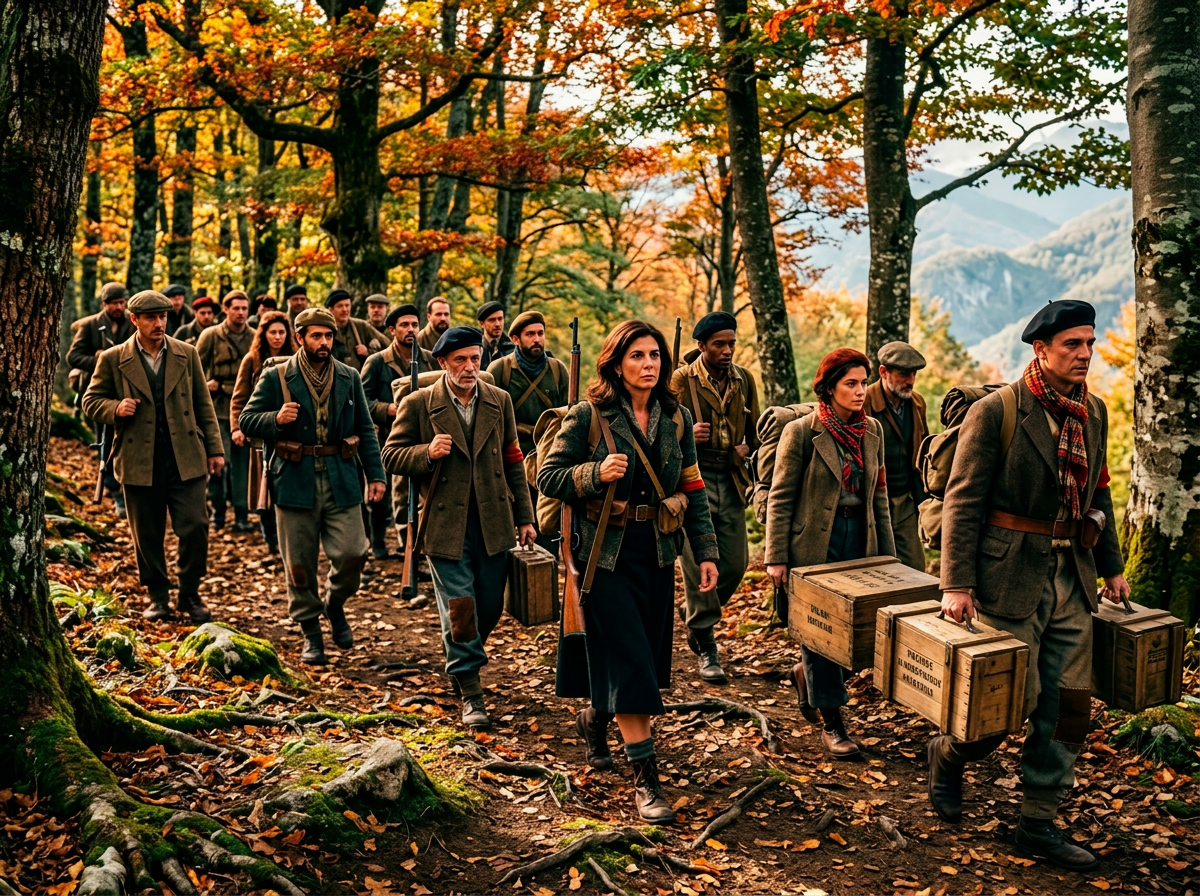
In 1982, the Italian cultural landscape, in one of its most fertile and intellectually stimulating seasons, witnessed a literary consecration of fundamental historical and civic importance: the prestigious Campiello Prize was, in fact, deservedly awarded to Primo Levi for his extraordinary volume entitled “If Not Now, When?”, a novel of exceptional and overwhelming narrative, epic, and documentary power, marking a crucial, mature, and in many respects unprecedented turning point within the overall body of work of the celebrated Turin-born author. The work, distinguished by its choral breadth and by a profound, rigorous ethical urgency, masterfully recounts the complex, adventurous, and painful story of a heterogeneous group of Jewish partisans of Russian and Polish origin who, united by a tragic common destiny and by a fierce will for redemption, find themselves in perpetual strategic and clandestine flight through the spectral and devastated territories of Eastern Europe during the most acute, violent, and dramatic phase of the Second World War. With his customary geometric, lucid stylistic mastery, Levi here constructs an exquisitely polyphonic and collective narrative, in which individual voices and psychological identities merge harmoniously into one great human fresco, offering the contemporary reader a plot rich in constant dramatic tension, yet always admirably tempered by a deep, moving, and warm compassion for the dispossessed. By conferring this highly coveted literary recognition, the Campiello jury deliberately chose to honour a limpid, crystalline writing of extraordinary formal precision, one capable of fusing the scientific exactitude of the eyewitness to the Shoah with the imaginative and generative power of pure novelistic invention. The text thus addresses, with absolute intellectual lucidity and without rhetoric, not only the universal theme of armed and active resistance against Nazi-Fascist oppression and barbarity, but above all the indispensable redemption and affirmation of human dignity in the face of the horror of total destruction. Each of the characters, portrayed with skilful and sensitive psychological precision, emerges from the pages with an overwhelming and unforgettable expressive force, captured in the living reality of his daily and desperate struggle not merely for biological survival among forests and ruins, but for the proud and defiant reaffirmation of his cultural, religious, and personal identity. In this masterful structural weave, historical memory and the trauma of the past are indissolubly intertwined with the pressing, gripping, and dynamic rhythm of the picaresque travel narrative, remaining constantly within a solid, solemn, and perfectly calibrated literary balance in every chapter. Through this historic and memorable verdict, the Campiello Prize did not merely celebrate one of the publishing successes of the year, but recognised, consecrated, and definitively consigned to the history of world literature one of the most complex, mature, and intellectually accomplished works in Primo Levi’s entire and unforgettable artistic journey.
https://patriziarielloperalibri.it/blog-patrizia-riello-pera

Manuale Creativo per Fotografi Ribelli
40 idee per riscattare il tuo sguardo fotografico. Un libro di Massimo Usai per chi vuole guardare il mondo con occhi nuovi.
Acquista su Amazon In qualità di Affiliato Amazon ricevo un guadagno dagli acquisti idonei.Scopri di più da Urban Mood Magazine
Abbonati per ricevere gli ultimi articoli inviati alla tua e-mail.


