
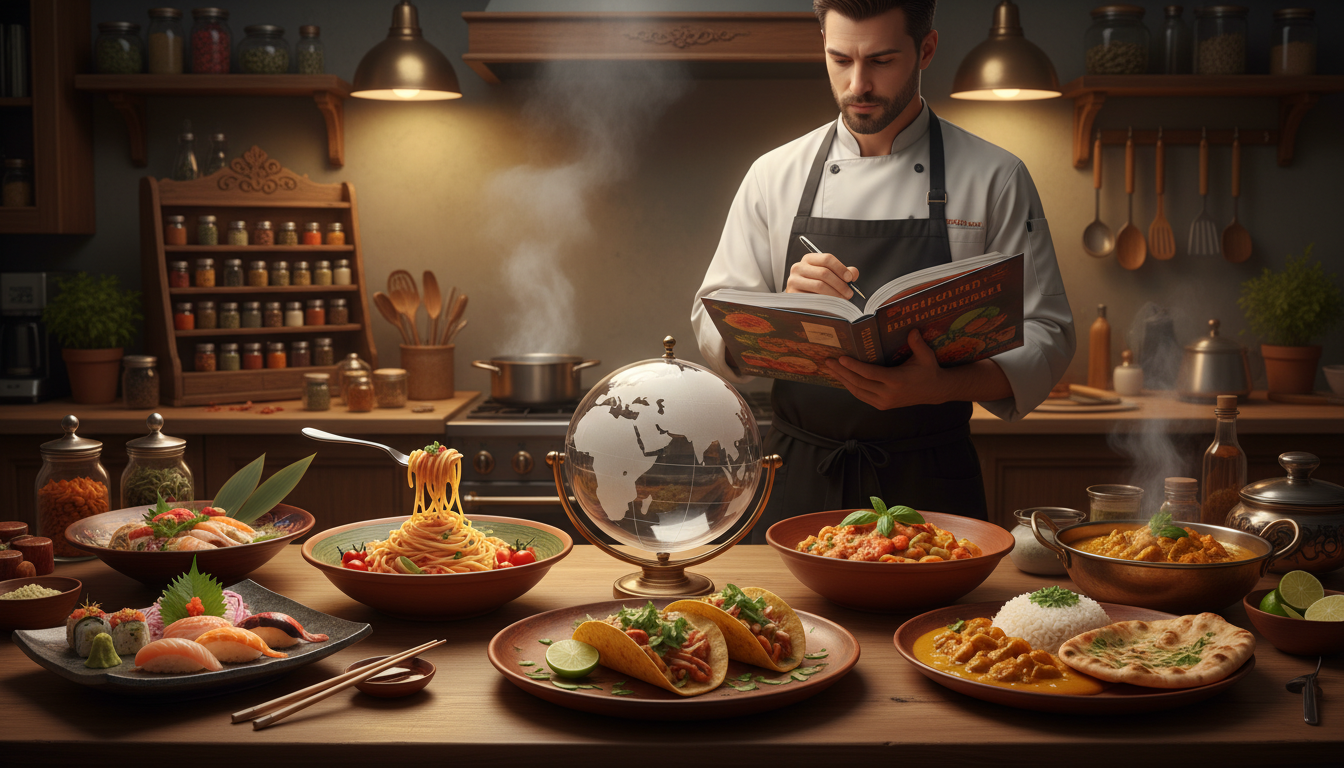
He said his sourdough bread was more than flour and water. It was a piece of his family’s history.
I remember walking through a damp morning market in London. The smell of fresh pastries and sharp cheeses filled the air. There, I met an elderly baker who spoke of Lyon with passion.
This small moment made me see how every bite connects us to heritage. It’s a deep link to places we might never visit. Food shares the stories of culture, migration, and innovation that unite us.
By trying global cuisine, we connect with people worldwide. These traditional dishes worldwide show the rich diversity of our planet. Let’s celebrate these unique flavours as we explore the world through our taste buds.
Key Takeaways
- Understand how food reflects cultural history and migration.
- Explore the unique ingredients that define different regions.
- Appreciate the connection between local heritage and cooking.
- Discover why culinary traditions are vital to global identity.
- Learn to recognise the innovative spirit in every recipe.
- Find inspiration for your next international dining adventure.
Exploring the Rich Tapestry of Global Cuisine
Global cuisine is a complex mix of history, geography, and culture. It shows the rich heritage and history of different societies. It’s not just about food; it’s a way to understand cultures.
The Historical Roots of Traditional Dishes
Traditional dishes have deep roots in history. Recipes have been passed down through generations. They are shaped by climate, trade, and migration.
For example, Indian cuisine’s use of spices came from trade with other countries. This shows how history influences food.
The history of a dish is seen in its ingredients and how it’s made. For instance, sushi in Japan started as a way to keep fish fresh in rice.
| Dish | Origin | Historical Influence |
|---|---|---|
| Sushi | Japan | Preservation techniques |
| Curry | India | Trade with Southeast Asia |
| Tacos | Mexico | Indigenous and Spanish influences |
Cultural Significance of Food Traditions
Food traditions are key to a community’s identity. They are central to cultural celebrations and family events. For example, injera in Ethiopia is a key dish at many gatherings.
Cultural gastronomy studies the cultural importance of food and cooking. It shows the value of understanding different cuisines’ cultural backgrounds.
Food traditions also unite people. Sharing meals crosses cultural lines, creating a sense of community and belonging.
Mouthwatering Traditional Dishes from Europe
From Italy to Spain, Europe’s traditional cuisine is a treasure trove of authentic recipes and international flavors. The continent’s diverse culinary heritage is reflected in its wide variety of dishes. Each dish has its unique history and cultural significance.
European cuisine is known for its rich flavors, aromas, and cooking techniques. These are often passed down through generations. The use of fresh, locally-sourced ingredients is a common thread among many traditional European dishes.
Italy’s Classic Pasta Dishes
Italy is famous for its pasta dishes, which are both simple and sophisticated. From Spaghetti Carbonara to Lasagna, Italian pasta is a staple. The key to authentic Italian pasta lies in the quality of the ingredients and traditional cooking methods.
A classic example is Spaghetti Bolognese, a dish from Emilia-Romagna. It’s made with ground beef, tomatoes, and pasta. This creates a rich and satisfying flavor profile.
| Italian Dish | Main Ingredients | Region |
|---|---|---|
| Spaghetti Carbonara | Spaghetti, bacon, eggs, parmesan | Lazio |
| Lasagna | Lasagna noodles, meat sauce, ricotta, mozzarella | Emilia-Romagna |
| Spaghetti Bolognese | Spaghetti, ground beef, tomatoes, onions | Emilia-Romagna |
France’s Delectable Pastries
French patisserie is famous worldwide for its intricate designs and exquisite taste. French pastries are a crucial part of the country’s culinary identity. Classics like Croissants and Macarons are enjoyed globally.
The art of French pastry-making involves precise techniques and high-quality ingredients. For instance, a traditional French Croissant requires layers of butter and dough. This achieves its flaky texture.
Spain’s Flavorful Tapas
Tapas are an integral part of Spanish cuisine and culture. These small, shareable dishes are perfect for social gatherings. They offer a variety of flavors. From Patatas Bravas to Croquetas, tapas showcase the diversity of Spanish cooking.
Tapas often feature local ingredients and are influenced by the region’s history and traditions. They embody the spirit of Spanish cuisine. This spirit is centered around sharing meals and enjoying good company.
The Bold Spices of Asian Cuisine
Asian cuisine is known for its bold spices and aromatic flavours. This is due to the vast geographical and cultural differences across the continent.
Asian cuisine is incredibly diverse, with each region having its own unique flavours and cooking methods. The use of bold spices is a common thread that runs through Asia’s culinary landscape.
Thailand’s Famous Curry Dishes
Thailand is famous for its curry dishes, which are rich and slightly spicy. Thai curries use coconut milk, lemongrass, and galangal for their unique taste.
Popular dishes like green curry and massaman curry are beloved in Thai cuisine. These curries are not just tasty but also hold cultural significance in Thai society.
China’s Regional Specialties
China’s culinary scene is incredibly diverse, with different regions offering unique specialties. From Sichuan’s spicy dishes to Cantonese dim sum, China’s culinary heritage is rich and varied.
Dishes like Peking duck and kung pao chicken are known worldwide. They showcase the complexity and variety of Chinese cuisine.
India’s Aromatic Rice Dishes
India is famous for its aromatic rice dishes, often flavored with spices and herbs. Biryanis and pilafs are loved across the country, with each region having its own twist.
The use of saffron, cardamom, and other spices gives Indian rice dishes their unique flavour and aroma. These dishes are often served at special occasions and are a key part of Indian culinary traditions.

The diversity of Asian cuisine is further highlighted by dishes like Chiang Mai’s khao soi and Fukuoka’s tonkotsu ramen. These are must-try examples of regional specialties.
Exploring the bold spices and diverse regional specialties of Asian cuisine deepens our appreciation for its culinary traditions. This makes Asia’s culinary landscape fascinating.
Delights from the Americas
The Americas are home to a world of flavours, thanks to indigenous, European, and African cuisines. This mix of cultures has created a rich variety of traditional dishes worldwide. These dishes are not just tasty but also carry deep cultural meanings.
Chili peppers add a smoky heat to many Latin American dishes. This makes meals unforgettable. Visitors love to try the local flavours, diving into the true tastes of each place.
Vibrant Street Tacos
Mexico’s street tacos are a true reflection of its vibrant food scene. These tacos are more than food; they’re an adventure. They come with different meats, salsas, and fresh veggies. The focus on fresh ingredients and traditional cooking keeps this dish beloved in Mexico.
Brazil’s Feijoada
Feijoada is Brazil’s national dish, a rich stew of black beans and meats. It shows the country’s African roots. Served with rice, farofa, and oranges, it’s a comfort food at Brazilian events.
The USA’s Regional Barbecue Styles
The United States is famous for its many barbecue styles. Each area has its own special way of doing things. From the Carolinas’ vinegar sauces to Kansas City’s dry rubs, barbecue shows America’s cultural diversity.
| Region | Signature Dish | Key Ingredients |
|---|---|---|
| Mexico | Street Tacos | Tortillas, meats, salsas, fresh produce |
| Brazil | Feijoada | Black beans, various meats, rice, farofa |
| USA | Barbecue | Meats (pork, beef, chicken), barbecue sauce, dry rubs |
Iconic Dishes from Africa
African cuisine is a mix of different cultures and traditions. It’s not just about food; it celebrates community, history, and the continent’s wide range of landscapes. Exploring Africa’s iconic dishes, we learn about the stories and traditions behind each cuisine.
Ethiopia’s Injera and Wot
Ethiopian food is known for its Injera, a sourdough flatbread made from teff flour. It’s the base for Wot dishes, which are spicy stews made with lentils, vegetables, or meat. Making Injera and Wot shows the deep culinary traditions of Ethiopia.
Food lovers say Ethiopian cuisine shows the country’s cultural heritage. Injera is more than bread; it symbolizes community and coming together. In Ethiopia, meals are shared from a common plate, highlighting the importance of communal dining.
Morocco’s Flavorful Tagine
Moroccan food is famous for its Tagine, a slow-cooked stew cooked in an earthenware pot. It’s a mix of meat, vegetables, and dried fruits in a rich sauce. Tagine shows Morocco’s cultural mix, influenced by Arab, Mediterranean, and African cuisines.
“The art of cooking Tagine is a slow and gentle process, much like the country’s rich history and cultural heritage.”
South Africa’s Braai Culture
Braai, South Africa’s barbecue, is a cultural event. It brings people together, celebrating the country’s diverse heritage through grilled meats and social gatherings. The variety of dishes grilled at a Braai shows the multicultural influences on South African food.
- Boerewors: A traditional South African sausage.
- Sosaties: Skewers of marinated meat, often served as part of a Braai.
- Various meats and vegetables grilled to perfection.
African cuisine is a journey of diverse and vibrant flavors. Exploring these iconic dishes, we appreciate the cultural gastronomy and international flavors that make African cuisine unique.
The Art of Traditional Cooking Techniques
Exploring traditional cooking methods shows the wide range of global culinary traditions. From slow-cooking to fermentation, these techniques are key to making rich flavors in traditional dishes.
Slow-Cooking vs. Quick-Fry Methods
Slow-cooking and quick-frying are two different techniques that give unique results. Slow-cooking uses low heat for a long time, blending flavors and making textures tender. It’s perfect for stews and braises.
Quick-frying, however, cooks ingredients fast over high heat. This keeps their crunch and color. It’s often used in Asian cooking for stir-fries.
| Cooking Method | Characteristics | Examples of Dishes |
|---|---|---|
| Slow-Cooking | Low heat, long duration, tender textures | Stews, Braises, Pot Roasts |
| Quick-Frying | High heat, short duration, preserved crunch | Stir-Fries, Sautéed Vegetables, Fried Noodles |
Fermentation in Global Cuisines
Fermentation is a traditional method used for centuries to preserve food and boost flavors. It lets food break down naturally by microorganisms, making products like yogurt, cheese, and sauerkraut.
Fermentation adds depth to dishes and brings health benefits by adding probiotics to our diet. Fermented foods are common in many cuisines, like Korean kimchi and German sauerkraut.

Baking: From Bread to Pastries
Baking is a key technique in traditional cooking, making everything from bread to pastries. It uses dry heat, usually in an oven.
The art of baking needs precision and patience. The quality of baked goods depends on ingredient ratios and cooking times. Traditional baked items, like Italian focaccia and French croissants, are famous for their unique tastes and textures.
Regional Variations: A Closer Look
Exploring the world, we see that different regions have their own special dishes. This variety in food is not just about countries. It’s also about the differences within regions of the same country or culture.
Italian vs. Sicilian Cuisine
Italian food is loved everywhere for its pasta, pizzas, and rich tastes. But Sicilian food has its own special touch. Sicily’s location in the Mediterranean has mixed together Italian, Greek, and North African cooking styles.
Sicilian dishes often use eggplants, ricotta cheese, and saffron more than other Italian foods. These ingredients give Sicilian food its unique flavour.
| Dish | Italian Version | Sicilian Version |
|---|---|---|
| Pasta alla Norma | Typically made with tomatoes, eggplant, and ricotta salata cheese | Often includes aubergines, tomatoes, and sometimes meat or fish |
| Cannoli | Not as commonly found in mainland Italy | A classic Sicilian dessert, fried pastry shells filled with sweet ricotta |
Differences between Indian and Pakistani Dishes
Indian and Pakistani food share a rich history. Yet, they have their own special ways of cooking. The main difference is in the spices and popular dishes.
Pakistani food is often heavier and richer, with lots of meat dishes like kebabs and biryani. Indian food, on the other hand, is very diverse. It has many vegetarian options and special dishes from different regions.
Beyond Tacos and Empanadas: Latin American Cuisine
Latin American food is more than just tacos and empanadas. It includes dishes from Mexico, Brazil, Argentina, and Peru. Each country has its own unique flavours and cooking styles.
For example, Peruvian food is famous for ceviche and anticuchos. Brazilian food is known for feijoada and churrasco. This shows the rich cultural mix in Latin America.
Festivals Celebrating Traditional Dishes
Festivals worldwide celebrate cultural gastronomy with traditional dishes. These events unite communities and highlight cultural heritage. They show the traditions that shape societies.
Traditional dishes at festivals create a sense of belonging and nostalgia. They involve generations, strengthening family bonds and cultural identity.
Thanksgiving in the United States
In the United States, Thanksgiving is a key festival centered on traditional dishes. The main dish is roasted turkey, often with sides like mashed potatoes and cranberry sauce.
Anthony Bourdain said, “Your body is not a temple, it’s an amusement park. Enjoy the ride.” This is true for Thanksgiving, where enjoying food is a big part of the celebration.
- Traditional dishes like roasted turkey and pumpkin pie are staples of the celebration.
- The festival is a time for family gatherings and feasting.
- It reflects the cultural melting pot that is American society.
Diwali’s Festive Foods in India
Diwali, the festival of lights, is significant in India. It’s marked by sweets and savory snacks, known as mithai and namkeen.
“The sweets and snacks prepared during Diwali are not just a treat for the taste buds but also symbolize the triumph of light over darkness.”
Some popular Diwali treats include:
- Gulab jamun, deep-fried dumplings soaked in rose syrup.
- Jalebi, crispy fried batter spirals soaked in syrup.
- Namkeen, a variety of savory snacks like fried lentil doughnuts.
La Tomatina in Spain: A Unique Perspective
La Tomatina, in Buñol, Spain, is a unique festival. It’s not just about food, but it involves a distinctive way of celebrating. Participants hurl tomatoes at each other, creating a sea of red.
This event, though messy, celebrates joy and community spirit. It shows how food can be at the heart of cultural celebrations in unique ways.
In conclusion, festivals like Thanksgiving, Diwali, and La Tomatina highlight the role of traditional dishes in cultural celebrations worldwide. These events unite people and celebrate the rich culinary heritage of various cultures.
Vegetarian and Vegan Traditions Worldwide
Plant-forward eating is becoming more popular. Exploring global vegetarian and vegan cuisine shows a rich variety of authentic recipes. These traditions use pulses, grains, and alternative proteins, showing creativity.
Global plant-based cuisine is incredibly diverse. Each region brings unique flavors and dishes. We’ll look at India, the Middle East, and Italy, highlighting their contributions to plant-based eating.
India’s Abundant Vegetarian Options
India is famous for its rich vegetarian cuisine. A big part of its population eats no meat. Indian dishes use a mix of vegetables, legumes, and grains, with spices and herbs adding complex flavors.
Popular Indian Vegetarian Dishes
| Dish | Description | Region |
|---|---|---|
| Palak Paneer | Creamy spinach curry with paneer cheese | Northern India |
| Saag Aloo | Spinach curry with potatoes | Punjab |
| Dal Makhani | Black lentils and kidney beans in a creamy tomato sauce | Punjab |
Middle Eastern Falafel and Hummus
The Middle East is known for tasty vegetarian and vegan dishes. Falafel and hummus are two favorites. They highlight chickpeas, herbs, and spices.
Falafel, crispy chickpea patties, are great in a pita with veggies and tahini sauce. Hummus, a creamy dip from chickpeas, tahini, garlic, and lemon, is a Middle Eastern classic.
Italy’s Plant-Based Cuisine
Italy is famous for pasta and pizza, but it also has many vegetarian and vegan options. Italian plant-based dishes focus on fresh produce, herbs, and olive oil.
Try Risotto Primavera, a spring vegetable risotto, or Vegan Pizza with various toppings. Italian cuisine is both delicious and sustainable, thanks to seasonal ingredients.
The Role of Seasonal Ingredients
Seasonal ingredients are key in shaping global culinary traditions. Fresh produce changes with the seasons, affecting how we cook and celebrate. This change is a big part of our cultural and culinary heritage.
Using seasonal ingredients is more than just about freshness. It’s about honoring our traditions. Many traditional dishes use ingredients at their best during certain times of the year.
Harvest Festivals and Their Dishes
Harvest festivals show the importance of seasonal ingredients. These festivals celebrate the produce of each season. For example, autumn harvests are celebrated with dishes like squashes, apples, and grains.
In the United States, Thanksgiving is all about roasted turkey, stuffing, and pumpkin pie. These dishes reflect the harvest season’s abundance. In India, Pongal celebrates rice harvest with dishes from new rice, sugarcane, and turmeric.
How Seasons Influence Global Flavors
Seasons change the flavors and ingredients in global cuisine. Spring brings asparagus and fresh herbs, leading to light dishes. Summer is for vibrant salads and barbecues. Autumn is for hearty dishes with root vegetables and squashes. Winter is for slow-cooked stews and soups.
Using seasonal ingredients makes dishes taste better. It also helps local farmers and reduces carbon footprint. This approach to cooking is a big part of culinary traditions worldwide. It shows the link between food, culture, and the environment.
- Spring: Asparagus, fresh herbs, and vibrant salads.
- Summer: Barbecues, fresh fruits, and vegetables.
- Autumn: Hearty stews, root vegetables, and squashes.
- Winter: Slow-cooked meals, soups, and preserved foods.
How to Experience Traditional Dishes at Home
Trying out traditional dishes at home can be a fun adventure. With cooking classes and meal kits, you can explore different cuisines easily. You don’t have to leave your kitchen to enjoy ethnic delicacies and cultural gastronomy.
Cooking with Authenticity
Cooking classes around the world teach you about traditional cuisine. You can learn how to make pasta in Italy or curries in Thailand. These classes give you insights into the techniques and ingredients used in authentic dishes.
Essential Ingredients for Cultural Flavours
Using the right ingredients is key to capturing cultural flavours. Look for authentic spices and herbs at local markets or specialty stores. This will make your dishes taste like they were made in another country.
Creating an Immersive Dining Experience
To make your dining experience better, set the right atmosphere at home. Use traditional decor, play music from the cuisine you’re exploring, and set the table like you’re in a foreign land. This will make enjoying traditional dishes worldwide even more fun and immersive.

Manuale Creativo per Fotografi Ribelli
40 idee per riscattare il tuo sguardo fotografico. Un libro di Massimo Usai per chi vuole guardare il mondo con occhi nuovi.
Acquista su Amazon In qualità di Affiliato Amazon ricevo un guadagno dagli acquisti idonei.Scopri di più da
Abbonati per ricevere gli ultimi articoli inviati alla tua e-mail.


