Introduction
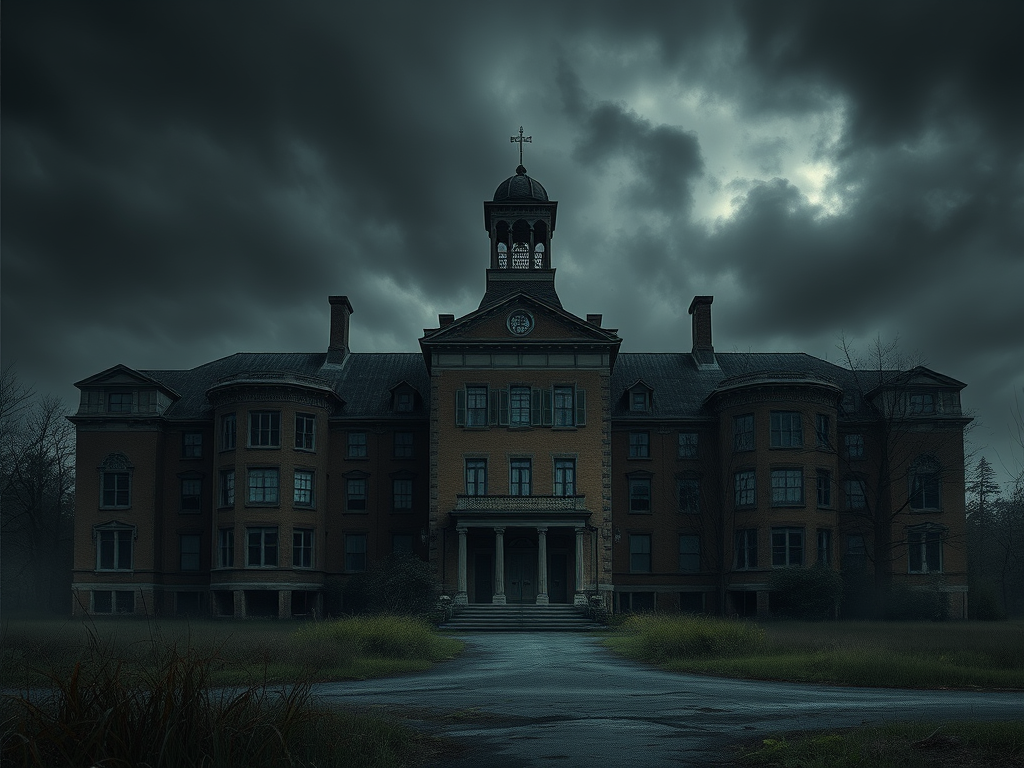
Crownsville Hospital Center, once a bustling mental institution in Maryland, holds a haunting legacy of racial discrimination, medical malpractice, and human suffering. As a focal point of discussions around mental health practices during the era of segregation, it was originally built to house African American patients. It became notorious for its inhumane treatment, unethical medical experiments, and brutal living conditions. This article delves into the dark history of Crownsville Hospital, revealing the injustices faced by its patients and the lessons that must never be forgotten.
The Birth of Crownsville Hospital
Established in the early 20th century, Crownsville Hospital was constructed by patients from Spring Grove Hospital, who built its infrastructure under harsh conditions. Unlike other mental health institutions at the time, Crownsville was specifically created for Black patients, a clear reflection of the era’s racial segregation policies.
The hospital was designed to be self-sufficient—patients grew their own food, made their own clothes, and even built their own living quarters. However, what might have seemed like an independent community on paper was, in reality, a place of forced labor, neglect, and abuse.
A Dumping Ground for the Forgotten
Crownsville was not just a mental health facility—it became a place where society abandoned those it didn’t want to see. Many African Americans were wrongfully institutionalized, not because they were mentally ill, but because they were poor, homeless, or simply unwanted.
- Some patients were committed due to vague or fabricated diagnoses.
- Others were indigent individuals with nowhere else to go, with no real mental illness.
- Many were placed there against their will by authorities who deemed them “unfit” for society.
Unlike white psychiatric hospitals, where families often visited and advocated for patients, Crownsville’s patients were mostly forgotten, left to deteriorate in isolation.
Medical Experiments and Unethical Practices
Crownsville Hospital was a hub of unethical medical experimentation. Patients were often used as test subjects for dangerous procedures, including:
Lobotomies: The Ultimate Nightmare
Doctors at Crownsville performed lobotomies on violent or “unruly” patients, using crude tools to sever brain connections. The procedure left many in a zombie-like state, unable to function.
Electroshock Therapy: A Brutal Treatment
Electroconvulsive therapy (ECT) was widely misused, often administered without consent. Patients were strapped down and given multiple rounds of shocks, causing intense pain, disorientation, and memory loss.
Drug Overuse and Sedation
Instead of treating patients, staff heavily sedated them with psychiatric drugs like Thorazine. Those who cried, screamed, or even laughed too loudly were forcibly injected with medication. The goal was not to heal but to keep patients quiet and under control.
Torture, Isolation, and Violence
Life at Crownsville was far from rehabilitative—it was a living nightmare. Patients endured daily abuse, neglect, and violence.
The Isolation Chamber: A Dungeon for the Disturbed
One of the most feared punishments was the seclusion room, also known as “the black hole” or “nightmare chamber”.
- Patients were locked in small, freezing rooms with no padding or furniture.
- Some were left for hours, even days, without food or water.
- Others were simply forgotten, abandoned in solitary confinement until they lost their minds.
Physical and Sexual Abuse
Staff frequently beat and tortured patients, with little to no oversight. Some patients were even sexually assaulted by both staff and fellow inmates. The adolescent ward, in particular, became infamous for rampant sexual abuse among young patients.
Escapes, Riots, and Tragic Deaths
Over the years, there were numerous attempts by patients to escape the horrors of Crownsville. Some succeeded, vanishing into the surrounding woods. Others were recaptured, beaten, and placed in isolation as punishment.
At one point, a major riot broke out when patients overpowered guards, taking them hostage. The National Guard was called in, but the event was largely covered up, leaving many questions unanswered.
Even more disturbingly, mass graves were discovered on the hospital grounds, filled with unnamed patients who had died from neglect, abuse, or failed experiments. Many were buried in unmarked graves, their identities erased from history.
The Fall of Crownsville
By the late 20th century, psychiatric treatment in America began to evolve. Public awareness of mental health rights and ethical treatment forced institutions like Crownsville to reform or shut down. In 2004, after nearly 90 years of operation, Crownsville Hospital closed its doors for good.
Legacy and Lessons to Remember
The dark history of Crownsville Hospital serves as a grim reminder of the dangers of racial discrimination, unethical medical practices, and the inhumane treatment of mental health patients.
Key Lessons from Crownsville:
✅ Mental health facilities must prioritize patient dignity and humane care.
✅ Racial discrimination in medicine has long-term, devastating consequences.
✅ Historical injustices should not be forgotten but studied to prevent repetition.
Today, Crownsville’s abandoned buildings stand as silent witnesses to a tragic past. While there have been discussions about repurposing the land, many believe that its history should be preserved as a memorial to the victims.
Conclusion
Crownsville Hospital was more than just a psychiatric facility—it was a prison for the unwanted, a testing ground for unethical medicine, and a reflection of the racial and social injustices of its time. The people who suffered there deserve to be remembered, not erased from history.
By acknowledging this painful past, we ensure that such horrors are never repeated in the future.

Manuale Creativo per Fotografi Ribelli
40 idee per riscattare il tuo sguardo fotografico. Un libro di Massimo Usai per chi vuole guardare il mondo con occhi nuovi.
Acquista su Amazon In qualità di Affiliato Amazon ricevo un guadagno dagli acquisti idonei.Scopri di più da Urban Mood Magazine
Abbonati per ricevere gli ultimi articoli inviati alla tua e-mail.


