
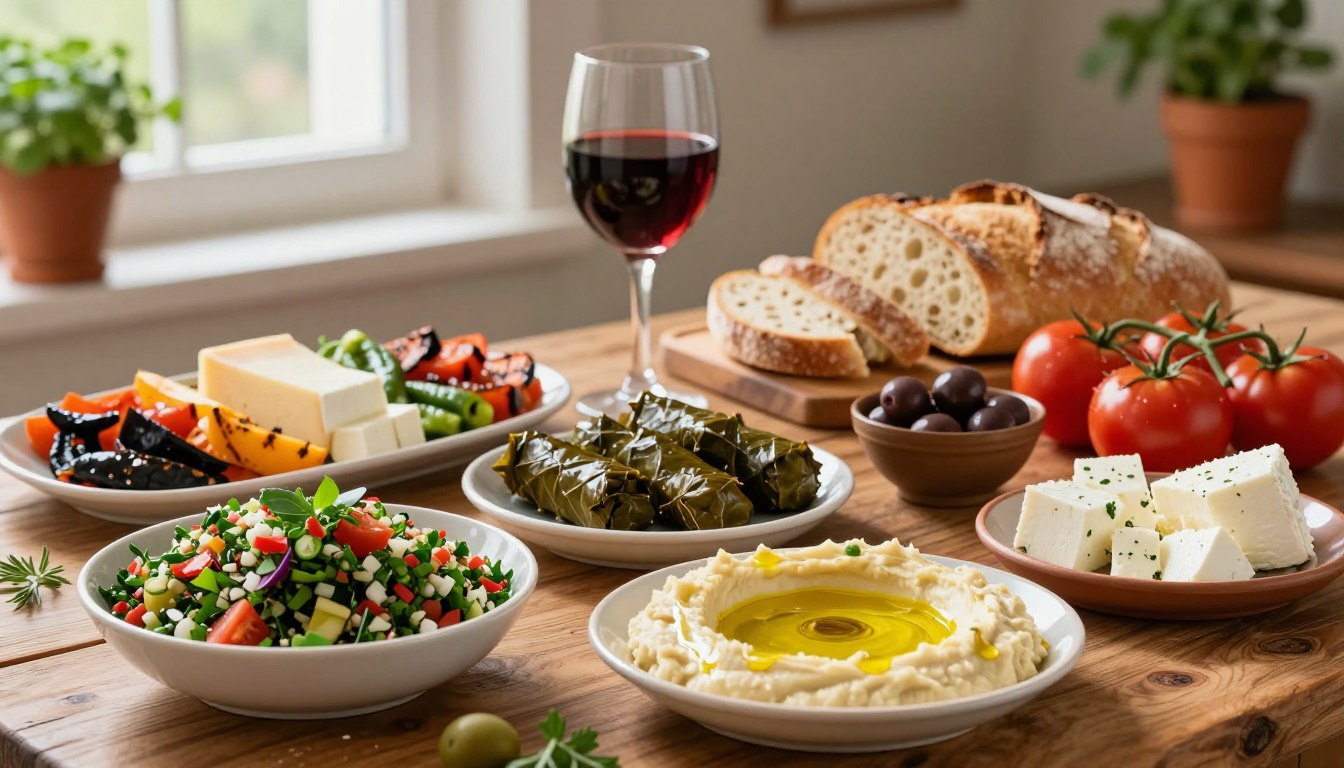
Imagine living a longer, healthier life, free from age-related diseases. New biotechnology and gene therapy are promising to extend our lives. A key part of this is changing our diet to a Mediterranean-style eating pattern. This has been shown to boost our Quality of Life.
Following a longevity diet is more than just living longer. It’s about making those extra years better. By eating nutrient-rich foods and keeping a balanced diet, we can lower the risk of chronic diseases. This helps us stay full of energy as we get older.
Key Takeaways
- Recent research supports the role of diet in extending human lifespan.
- A Mediterranean-style diet is rich in nutrients and can improve overall health.
- Adopting a longevity-focused eating pattern can enhance Quality of Life.
- Dietary changes can potentially reduce the risk of age-related diseases.
- A balanced diet is crucial for maintaining vitality in older age.
What is the Longevity Diet?
The longevity diet is based on Mediterranean and Sardinian eating habits. It aims to help you live longer. It’s not just about food; it’s about living a healthy, stress-free life.
Definition and Principles
This diet focuses on eating whole, nutritious foods. It includes lots of fruits, veggies, whole grains, and healthy fats from olive oil. It’s inspired by the eating habits of long-lived people in places like Sardinia.
The main ideas are:
- Eat mostly plants.
- Add healthy fats like olive oil and nuts.
- Choose whole grains over refined ones.
- Drink less processed and sugary drinks.
Historical Background
The longevity diet comes from studying long-lived communities, like Sardinia. Research shows these diets can help prevent chronic diseases and add years to your life.
A study on the Sardinia Diet found it lowers heart disease and cancer risks. This is thanks to its antioxidants and fiber.
| Dietary Component | Longevity Diet | Typical Western Diet |
|---|---|---|
| Fruits and Vegetables | High intake | Low to moderate intake |
| Whole Grains | High intake | Low intake |
| Healthy Fats | High intake (e.g., olive oil) | Variable intake |
The longevity diet is more than just food. It’s a way of life that encourages a no-stress life through balanced eating and thoughtful food choices.
Key Components of the Longevity Diet
The longevity diet focuses on eating foods that are good for you and the planet. It’s all about choosing foods that are nutritious, sustainable, and enjoyable.
At the heart of this diet are whole foods. These are foods that haven’t been processed or refined. They include fruits, vegetables, whole grains, and lean proteins.
Whole Foods
Whole foods are the base of the longevity diet. They give you the vitamins, minerals, and antioxidants you need. These foods help fight off chronic diseases.
- Fresh fruits and vegetables
- Whole grains such as brown rice and quinoa
- Legumes like lentils and chickpeas
- Nuts and seeds
Table: Examples of Whole Foods and Their Benefits
| Food Group | Examples | Nutritional Benefits |
|---|---|---|
| Fruits | Apples, Berries | Rich in antioxidants and fibre |
| Vegetables | Leafy Greens, Broccoli | High in vitamins and minerals |
| Whole Grains | Brown Rice, Quinoa | Good source of fibre and B vitamins |
Plant-Based Focus
The longevity diet also emphasizes eating more plant-based foods. Eating lots of fruits, vegetables, and whole grains can lower your risk of heart disease and some cancers. A study found that a plant-based diet can greatly reduce chronic disease risk and improve health.
“A plant-based diet is not just good for you; it’s also good for the planet.”
The Mediterranean diet is a great example of a diet that promotes longevity. It’s full of plant-based foods, healthy fats, and whole grains.
Healthy Fats
Healthy fats are also key in the longevity diet. Foods like olive oil, nuts, and fatty fish are good for your heart and can reduce inflammation. Adding healthy fats to your diet is easy, like using olive oil for cooking or eating nuts and seeds.
By eating whole foods, following a plant-based diet, and adding healthy fats, you can improve your quality of life. This might even help you live longer.
Scientific Evidence Supporting the Longevity Diet
Research is showing how the longevity diet helps with aging. It’s based on the eating habits of places like Sardinia, known for long life. Scientists have studied it a lot for its health benefits.
Studies on Aging and Nutrition
David Sinclair and others have found interesting results. They’ve looked at how diet affects aging and age-related diseases. For example, the Sardinian diet, full of whole foods and plants, is linked to fewer chronic diseases.

Understanding how nutrition affects aging is complex. It involves genetics, lifestyle, and diet. Eating lots of fruits, veggies, and healthy fats can help live longer and avoid age-related problems.
Impact on Chronic Diseases
The longevity diet helps with many chronic diseases. This includes heart disease, diabetes, and some cancers. Eating whole, nutrient-rich foods can lower the risk of these conditions.
| Disease | Impact of Longevity Diet |
|---|---|
| Heart Disease | Reduced risk due to high intake of healthy fats and low intake of processed foods |
| Diabetes | Improved insulin sensitivity through whole grain and plant-based consumption |
| Cancer | Lower incidence associated with antioxidant-rich foods and healthy lifestyle |
Following the longevity diet can extend life and improve quality of life. It helps by reducing the risk of chronic diseases.
The Role of Caloric Restriction
Caloric restriction is becoming a key part of living a no-stress life. It involves eating fewer calories to possibly live longer and feel better. This method has gained a lot of interest for its health benefits.
Understanding Caloric Restriction
Caloric restriction means eating fewer calories but still getting enough nutrients. You can do this by eating foods that are full of vitamins and minerals but low in calories. This helps your body work well without wasting too much energy, which might slow down aging.
This approach has many benefits. It can improve your metabolism, help clean cells, and lower stress. These changes can reduce the risk of diseases like diabetes, heart disease, and some cancers.
Benefits for Longevity
Many studies show that eating fewer calories can make you live longer. This is true for different living things, from yeast to mammals. The reasons for this are complex and involve several ways, like better insulin control and stronger cells.
- Improved insulin sensitivity
- Enhanced autophagy
- Reduced oxidative stress
- Lower risk of chronic diseases
By following a caloric restriction diet, you can live a no-stress life. It helps avoid aging and disease risks, making your quality of life better.
Recommended Food Groups in the Longevity Diet
Certain foods are key to the longevity diet, helping you live longer and healthier. These foods are packed with nutrients that boost your well-being.
Fruits and Vegetables
Fruits and vegetables are essential in the longevity diet. They give you vital vitamins, minerals, and antioxidants. They also have lots of fibre, which is good for your digestion and gut health.
Nutrient-dense options include spinach, kale, bell peppers, and carrots. Berries, apples, and pears are also great choices.
Whole Grains
Whole grains are crucial, offering complex carbs, fibre, and nutrients. They’re good for your heart and digestive health.
Examples include brown rice, quinoa, whole wheat bread, and oats. Adding these to your diet boosts your nutrition.
Legumes and Nuts
Legumes and nuts are valued in the longevity diet. Legumes like lentils, chickpeas, and beans are full of protein, fibre, and minerals. Nuts like almonds, walnuts, and pistachios offer healthy fats and antioxidants.
| Food Group | Examples | Benefits |
|---|---|---|
| Fruits and Vegetables | Spinach, Kale, Berries, Apples | Rich in Vitamins, Minerals, and Antioxidants |
| Whole Grains | Brown Rice, Quinoa, Whole Wheat Bread | Complex Carbohydrates, Fibre, Nutrient-rich |
| Legumes and Nuts | Lentils, Chickpeas, Almonds, Walnuts | High in Protein, Fibre, and Healthy Fats |
The Mediterranean and Sardinia diets are famous for their health benefits. They focus on these food groups. Adding them to your meals can help you live a longer, healthier life.
The Importance of Hydration
Hydration is key to the longevity diet, affecting many bodily functions that help us live longer. Drinking enough water is vital for our health. Its role in longevity is huge.
How Water Affects Longevity
Water is vital for our body’s functions, like keeping our temperature right and moving nutrients around. Proper hydration lowers the risk of diseases like kidney stones and some cancers. Even a bit of dehydration can make us tired, give us headaches, and mess with our focus.
Studies show drinking enough water can help us live longer. A study found people drinking eight glasses a day were less likely to die than those drinking less. It’s thought that water keeps our cells healthy and helps our body get rid of toxins.

Other Hydrating Choices
While water is the best choice, other drinks and foods can also help us stay hydrated. Herbal teas not only hydrate but also have health benefits from antioxidants. Foods like cucumbers, celery, and watermelon also add to our hydration.
Our diet can also affect how hydrated we are. Eating lots of fruits, veggies, and whole grains, as the longevity diet suggests, helps a lot. This means people eating this way are likely to stay hydrated better, helping their health and longevity.
Practical Tips for Following the Longevity Diet
Starting the longevity diet can be easy with good meal planning and shopping. It’s not about changing everything at once. It’s about making small, lasting changes for a longer, healthier life.
Meal Planning Strategies
Good meal planning is key to following the longevity diet. Start by adding more Mediterranean Food to your meals, like olive oil and leafy greens. Plan meals around what’s in season for freshness and variety.
- Start with easy recipes that can be made ahead.
- Batch cooking saves time and cuts down on waste.
- Keep your pantry tidy for quick, healthy meals.
Grocery Shopping Essentials
Shopping for the longevity diet means focusing on whole foods. Look for fresh produce, meats, and dairy at the store’s edges. Try to buy foods of different colours for a wide range of vitamins and minerals.
To shop without stress, aim for a No stress Life with these tips:
- Make a list from your meal plan to avoid buying things you don’t need.
- Choose seasonal produce for the best taste and value.
- Visit local farmers’ markets for fresh, local ingredients.
By following these tips, you can easily start the longevity diet. Enjoy a healthier, more balanced lifestyle.
How to Transition to the Longevity Diet
The longevity diet, inspired by places like Sardinia, can lead to a longer, healthier life. But, knowing where to start is key. Transitioning to this diet needs a careful plan for a lasting change.
Steps for a Smooth Transition
To start, it’s important to gradually adjust your eating habits. Begin by adding more plant-based foods to your meals. This includes fruits, vegetables, and whole grains.
Another key step is to plan your meals ahead. This helps you avoid making unhealthy choices at the last minute. Try making a weekly meal plan with legumes, nuts, and seeds.
Common Challenges and Solutions
One big challenge is cravings for processed foods. To beat this, stock your pantry with healthy alternatives. Also, have a plan for when cravings strike.
| Challenge | Solution |
|---|---|
| Cravings for processed foods | Stock healthy alternatives, plan for cravings |
| Dining out | Research restaurants, choose longevity-friendly options |
| Social pressures | Communicate dietary goals, seek support |
By knowing these challenges and having solutions, you can enhance your quality of life. This way, you can successfully adopt the longevity diet.
Exercises That Complement the Longevity Diet
Regular physical activity is key to get the most from the longevity diet. Exercise boosts the diet’s benefits and improves overall health. It helps lead a no stress life.
Types of Recommended Physical Activity
There are many exercises that go well with the longevity diet. These include aerobic activities, strength training, and flexibility exercises.
- Aerobic exercises, such as walking, cycling, or swimming, improve cardiovascular health.
- Strength training, using weights or bodyweight, helps maintain muscle mass and bone density.
- Flexibility exercises, like yoga or Pilates, enhance flexibility and reduce the risk of injury.
Dr. Valter Longo, an expert in longevity, says, “Exercise is vital for a long, healthy life. It greatly improves health when combined with the longevity diet.”
“The combination of a balanced diet and regular physical activity is key to achieving longevity and maintaining a high quality of life.”
Importance of Regular Movement
Regular exercise is essential for staying physically fit and mobile as we age. It also helps reduce stress and boosts mental health.
| Type of Exercise | Benefits |
|---|---|
| Aerobic Exercise | Improves cardiovascular health, boosts mood |
| Strength Training | Maintains muscle mass, enhances bone density |
| Flexibility Exercises | Enhances flexibility, reduces injury risk |
Adding a variety of exercises to your routine can greatly enhance the longevity diet’s benefits. It’s also crucial to pick activities you enjoy. This makes it easier to stick to an exercise plan.

Loneliness, Community, and Longevity
Creating a supportive community is key to a better life and longer years. It helps fight loneliness. A good social network offers emotional support, practical help, and a feeling of belonging. These are essential for our mental and physical health.
The Role of Social Connections
Social ties greatly affect how long we live. Research shows that those with strong social bonds live longer and healthier lives. The Mediterranean lifestyle highlights the value of community and sharing meals. This builds a sense of belonging and encourages healthy eating.
Strong social connections bring many benefits:
- Lower stress levels
- Better mental health
- More chances for exercise
- A sense of purpose and belonging
Building a Supportive Network
Building a supportive network takes effort and commitment. Here are ways to create a strong community:
- Join local clubs or groups that match your interests
- Volunteer for causes you care about
- Take part in community events
- Look after your relationships with family and friends
By using these strategies, people can strengthen their social ties. This improves their quality of life and may even add years to their life.
Myths and Misconceptions About the Longevity Diet
As more people learn about the Longevity Diet, myths start to spread. It’s important to know what’s true and what’s not. This diet, linked to places like Sardinia, aims to help people live longer and stay healthy.
Debunking Common Misunderstandings
Many think the Longevity Diet is too strict. But it’s really about eating a wide range of whole foods. This includes fruits, veggies, and whole grains, not cutting out food groups.
Key Facts:
- The diet focuses on plant-based foods, but doesn’t ban all animal products.
- It’s not just about eating less, but eating foods that are full of nutrients.
- Adding physical activity helps make the diet even more effective.
Separating Fact from Fiction
Some believe the Longevity Diet means making huge changes all at once. But you can start small, making little changes to how you eat every day.
Simple Steps to Begin:
- Begin by eating more fruits and veggies.
- Slowly add more whole grains to your meals.
- Try healthy fats like nuts and olive oil.
By learning the real facts about the Longevity Diet, you can make better food choices. This might help you live a longer, healthier life.
Real-Life Success Stories
People who follow the longevity diet see big improvements in their health. They enjoy a stress-free life and better quality of life.
Transformative Journeys
Many share their stories of change. They talk about how the diet boosted their health and energy. They also mention lower risks of serious diseases.
Key Takeaways
These stories teach us the value of patience and sticking to the diet. Eating whole foods and healthy fats is key. It makes life better.
Following this diet leads to a healthier, more balanced life. It’s a life free from stress and full of well-being.
FAQ
What is the Longevity Diet and how does it relate to the Sardinia Diet?
The Longevity Diet aims to help you live a long and healthy life. It’s similar to the Sardinia Diet. Both focus on eating whole foods, plants, and healthy fats. These help you live without stress and improve your life quality.
What are the key components of the Longevity Diet?
The Longevity Diet emphasizes whole foods, a plant-based diet, and healthy fats. These are similar to the Mediterranean diet. Together, they promote health and a long life.
How does caloric restriction contribute to longevity?
Eating fewer calories can help you live longer. It reduces stress and improves how cells work. This can extend your life and make it better.
What food groups are recommended in the Longevity Diet?
The diet suggests eating fruits, vegetables, whole grains, legumes, and nuts. These foods are full of nutrients and antioxidants. They’re key to the Mediterranean and Sardinia diets.
How important is hydration in the Longevity Diet?
Drinking enough water is vital in the Longevity Diet. It helps keep you healthy and promotes longevity. Staying hydrated is important for your cells and overall well-being.
What are some practical tips for following the Longevity Diet?
To follow the diet, plan your meals and shop for whole foods. This makes the transition easier. It helps you stick to the diet without stress.
How can I transition to the Longevity Diet?
Start by slowly adding new foods and habits to your diet. It’s also important to deal with any challenges you face. Finding solutions helps you stick to the diet.
What types of exercises complement the Longevity Diet?
Activities like walking, running, or swimming are great with the Longevity Diet. They help keep you healthy and add to your life quality. Exercise is key for a stress-free life.
How does loneliness and community impact longevity?
Having friends and a supportive network is crucial for health and longevity. People with strong social ties are less likely to get sick and feel better mentally.
What are some common myths and misconceptions about the Longevity Diet?
Some think the Longevity Diet is too strict or a fad. But it’s a balanced way to eat that promotes health and well-being. It’s not restrictive.
Are there any real-life success stories of individuals who have adopted the Longevity Diet?
Yes, many people have seen big health improvements by following the Longevity Diet. Their stories show the diet’s potential benefits.

Manuale Creativo per Fotografi Ribelli
40 idee per riscattare il tuo sguardo fotografico. Un libro di Massimo Usai per chi vuole guardare il mondo con occhi nuovi.
Acquista su Amazon In qualità di Affiliato Amazon ricevo un guadagno dagli acquisti idonei.Scopri di più da
Abbonati per ricevere gli ultimi articoli inviati alla tua e-mail.


