
Wellness trends in 2026 has finally done what it promised to do a decade ago: it has become personal. Not ‘personalized’ in the influencer-discount-code sense, but genuinely calibrated to the individual — their biology, their schedule, their city, their stress profile. The result is a landscape of health habits that looks very different from the green juice and 5am cold plunge aesthetic of the previous cycle.
The Shift: From Performance to Function
The defining move in 2026 wellness trends is away from performative health — the visible ritual, the shareable habit, the impressive routine — and toward functional wellbeing. People want to feel better, sleep better, think more clearly, and sustain their energy across a full working day in a demanding city. The tools have changed. The goal has not.
1. Bioharmony Nutrition — Eating With Your Biology
The trend with the most substantive science behind it this year is bioharmony nutrition: the practice of eating in alignment with circadian rhythms, metabolic needs, and digestive patterns rather than following a fixed dietary ideology. In practical terms, this means front-loading protein and complex carbohydrates earlier in the day, eating the largest meal before 3pm when metabolic efficiency is highest, and treating the evening meal as lighter and easier to digest.
Urban professionals across London, New York, Milan and Tokyo are reporting significant improvements in energy, sleep quality and mental clarity from this approach — and importantly, it does not require expensive supplements, specialty foods or significant calorie restriction. It requires timing.
Urban Mood Tip: The simplest version: move your largest meal to lunch, make dinner lighter, and avoid eating within two hours of sleep. Test it for two weeks.
2. AI Wellness Trends Coaching — The Tool That Actually Works
The AI health coach was overhyped in 2023 and 2024. In 2026, it has quietly become genuinely useful. Not as a replacement for medical advice, but as the kind of accountability and pattern-recognition partner that previously required an expensive human coach. Leading apps now integrate wearable data, sleep tracking, HRV measurements and food logs to generate personalized weekly recommendations that adapt in real time.
The urban professionals most benefiting from this technology are not wellness obsessives — they are time-constrained people who needed someone or something to aggregate their health data into actionable insight. The AI coach fills that gap.
3. The Offline Counter-Movement
Here is the paradox at the center of 2026 wellness: as AI accelerates every dimension of urban professional life, the most talked-about wellness trend is deliberately, intentionally slowing down. Specifically: choosing craft, physical community, and analog experience as a counterweight to the speed and abstraction of AI-mediated work.
This manifests as: ceramics classes replacing scrolling. Weekend hiking groups replacing fitness apps (or supplementing them). Cooking from scratch on Sunday as a non-negotiable ritual. Reading physical books before bed. The shared thread is not anti-technology ideology but the deliberate recovery of experiences that require physical presence, patience, and imperfection.
What this looks like in practice: One evening per week with no screens after 8pm. It is the highest-impact, lowest-cost wellness intervention most urban people are not doing.

4. Community Wellness Trends — Together, Finally
2024 and 2025 were marked by the slow erosion of social fitness — the gym membership replaced by the home workout, the running club replaced by the app. 2026 is reversing that. Community wellness — group activities, shared rituals, neighborhood walks, communal cooking, collective accountability — is registering the strongest growth in any wellness category this year.
The reason is not complicated: people are lonely, and they know it. The solution is also not complicated: doing physical things together with other humans. The urban wellness scene in 2026’s most interesting cities is organized around this insight — and it is producing measurably better outcomes than any supplement stack or biometric wearable.
5. Sleep as the Non-Negotiable
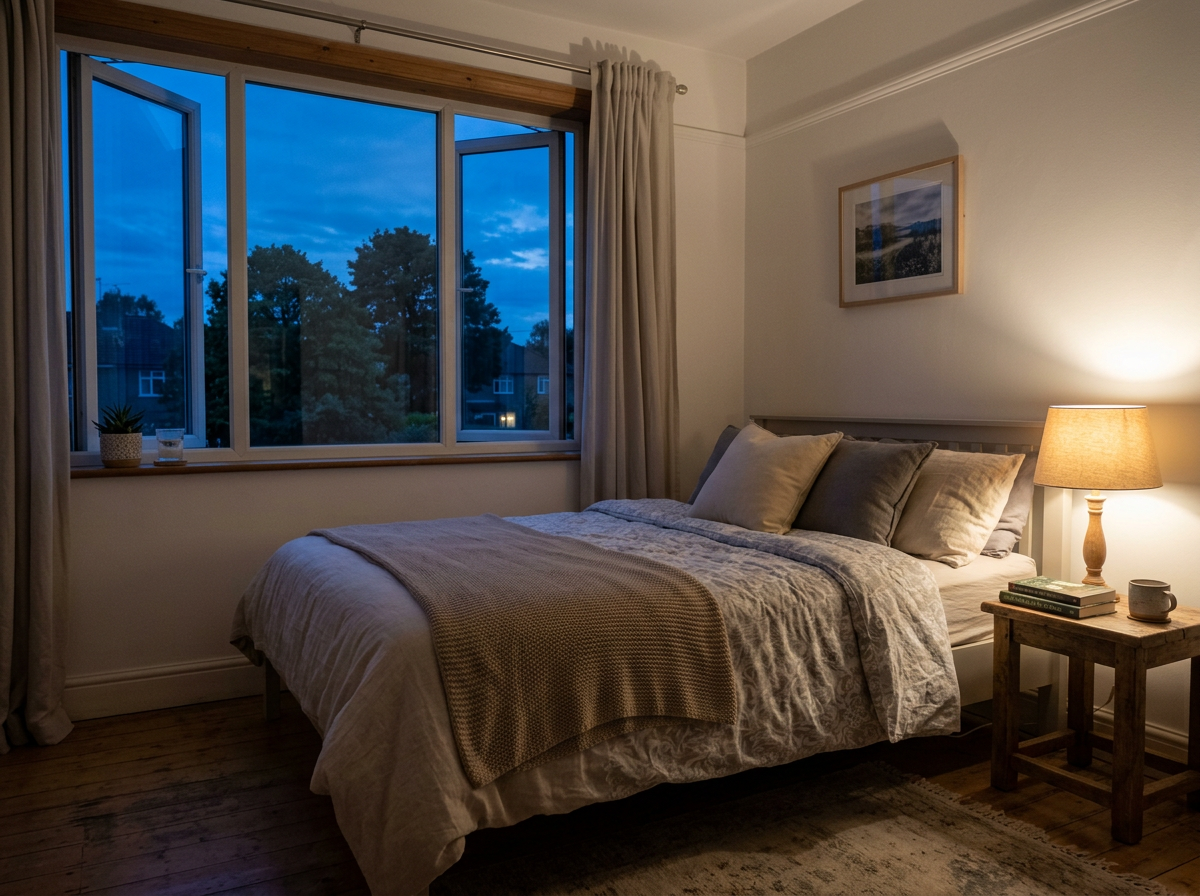
Finally, after years of being the most neglected pillar of health, sleep is having its cultural moment. The ‘sleep is for the weak’ era of hustle culture is definitively over. In 2026, the most credible urban professionals — in tech, finance, creative industries — are openly prioritizing sleep duration and quality as a performance variable, not a lifestyle indulgence. Eight hours is no longer something to apologize for.
- Consistent sleep and wake times — the single most impactful sleep intervention
- Bedroom temperature between 16–19°C for optimal sleep quality
- Zero alcohol within three hours of sleep — the data on this is unambiguous
- Morning light exposure within 30 minutes of waking — free and extremely effective
The Bottom Line
2026 wellness is less visible, less Instagrammable, and more effective than any previous iteration. It is grounded in biology rather than aspiration, in community rather than competition, and in sustainable habits rather than extreme interventions. The people doing it well are not posting about it much. They are just sleeping better, thinking more clearly, and spending Sunday evening cooking.

Manuale Creativo per Fotografi Ribelli
40 idee per riscattare il tuo sguardo fotografico. Un libro di Massimo Usai per chi vuole guardare il mondo con occhi nuovi.
Acquista su Amazon In qualità di Affiliato Amazon ricevo un guadagno dagli acquisti idonei.Scopri di più da
Abbonati per ricevere gli ultimi articoli inviati alla tua e-mail.


1 comment
[…] Enter slow living — the quiet counter-movement to hustle culture. Rather than optimising every minute, it’s about doing less, but with more presence. It has become the defining wellness idea of the year precisely because it addresses the root cause of stress, not just the symptoms. In other words, it treats the pace of life itself as the problem worth fixing. We explored this shift in our look at the 2026 wellness reset. […]