
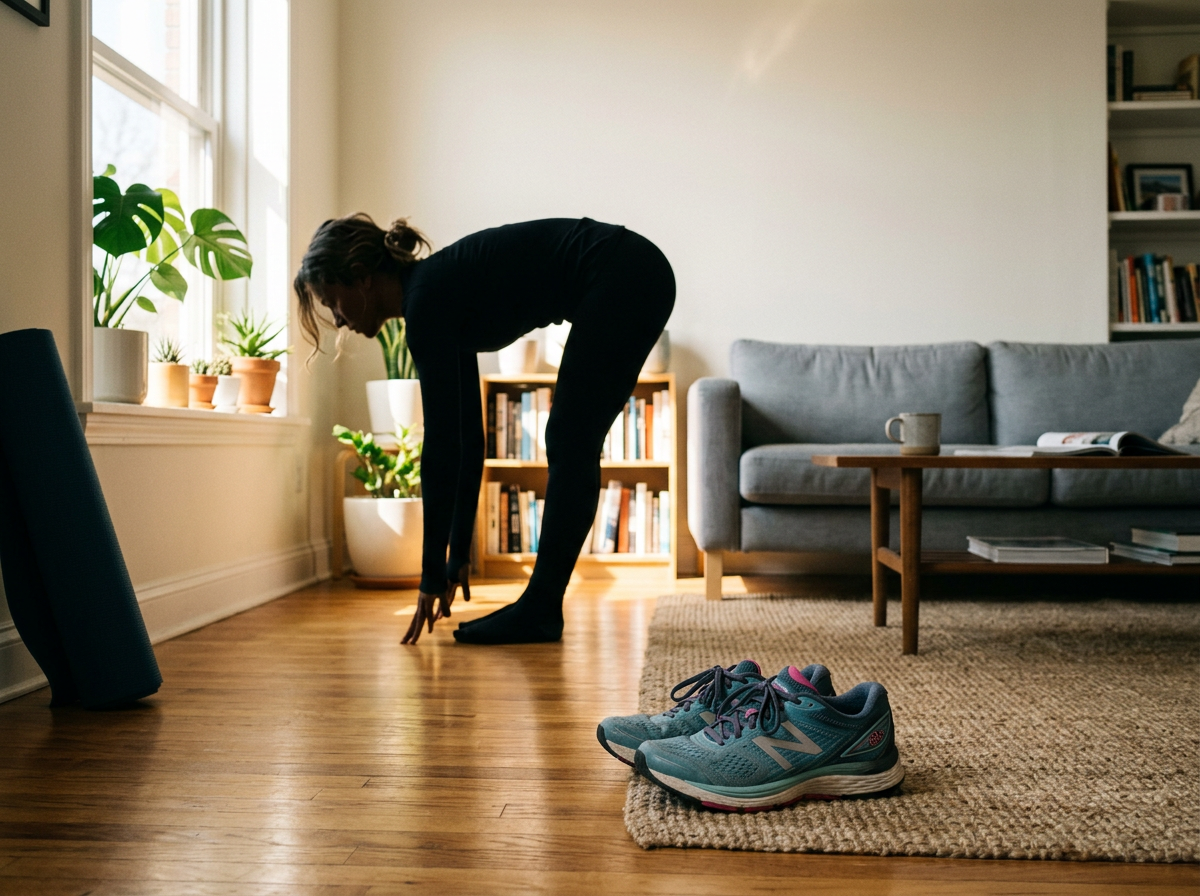
Someone says 21 days. Someone says 66. Some say even longer. If you have ever tried to form a new habit — run every morning, read before bed, finally put the phone down — you have almost certainly bumped into the famous “21 days” rule. Here in the middle of 2026, with a habit-tracking app for every corner of life, the question feels more relevant than ever: how long does it really take before a new behaviour turns automatic? The honest answer is far more useful than any tidy round number.
Where the 21-day myth comes from
The 21-day idea goes back to the 1960s and a plastic surgeon, Maxwell Maltz, who noticed his patients needed about three weeks to get used to a new face or a missing limb. Over the decades that modest observation quietly mutated from “about 21 days to adjust” into “21 days to build anything,” and countless self-help books ran with it. It is neat, it is hopeful — and it was never really the whole story.
What the science actually says
The most reliable answer comes from a University College London study that followed ordinary people building everyday habits. On average it took 66 days for a behaviour to feel automatic — but the range was enormous, from 18 days to 254. Simple habits, like a glass of water after lunch, settle in quickly; demanding ones, like a 6am run in January, can take the better part of a year. And reassuringly, missing the odd day did not reset the clock or undo the progress.
Why 2026 makes habits harder, and easier
Two things have shifted. Our attention is more fragmented than ever, and every app is engineered to hijack exactly the repetition you need to form a new habit. But we also have better tools than any generation before us: trackers, streak counters, wearables that tap your wrist to move. And the 2026 mood genuinely helps — slower, more intentional, less obsessed with hustle. Habits stick best when they are small, kind and consistent, not heroic.

How to form a new habit that actually sticks
A handful of things reliably work. Start absurdly small — two minutes, not two hours. Anchor the new behaviour to one you already have: “after I pour my coffee, I stretch.” Make it obvious and easy, laying the running shoes by the door the night before. Track it, but forgive the misses. And give it real time: aim for two months rather than two weeks, and judge yourself on the average, not any single bad day. Much of this is really about living with intention rather than brute willpower.
I learned the timing the hard way. Back in the spring of 2020 a lot of us ran an accidental habit experiment. I once counted 87 days between the 8th of March and the 2nd of June, spent mostly indoors — long enough, it turns out, to rewire a whole set of routines, some good and some I am still unlearning. Walking around afterwards, it was obvious I was not the only one who had changed. Which is exactly the point: give it enough repetition, and we are all far more adaptable than we like to believe.
Don’t be scared of it
So how long does it take to form a new habit? The best estimate is around two months — give or take, depending on the habit and on you. Don’t be scared of that number; be encouraged by it. Twenty-one days is a fine place to start, it just will not be the finish line. Pick one small thing, repeat it, and let the weeks do the quiet, patient work.
by Massimo Usai
It takes about 66 days to form a new habit — not 21. Start small, and give it time.
Tweet

Manuale Creativo per Fotografi Ribelli
40 idee per riscattare il tuo sguardo fotografico. Un libro di Massimo Usai per chi vuole guardare il mondo con occhi nuovi.
Acquista su Amazon In qualità di Affiliato Amazon ricevo un guadagno dagli acquisti idonei.Scopri di più da
Abbonati per ricevere gli ultimi articoli inviati alla tua e-mail.


