
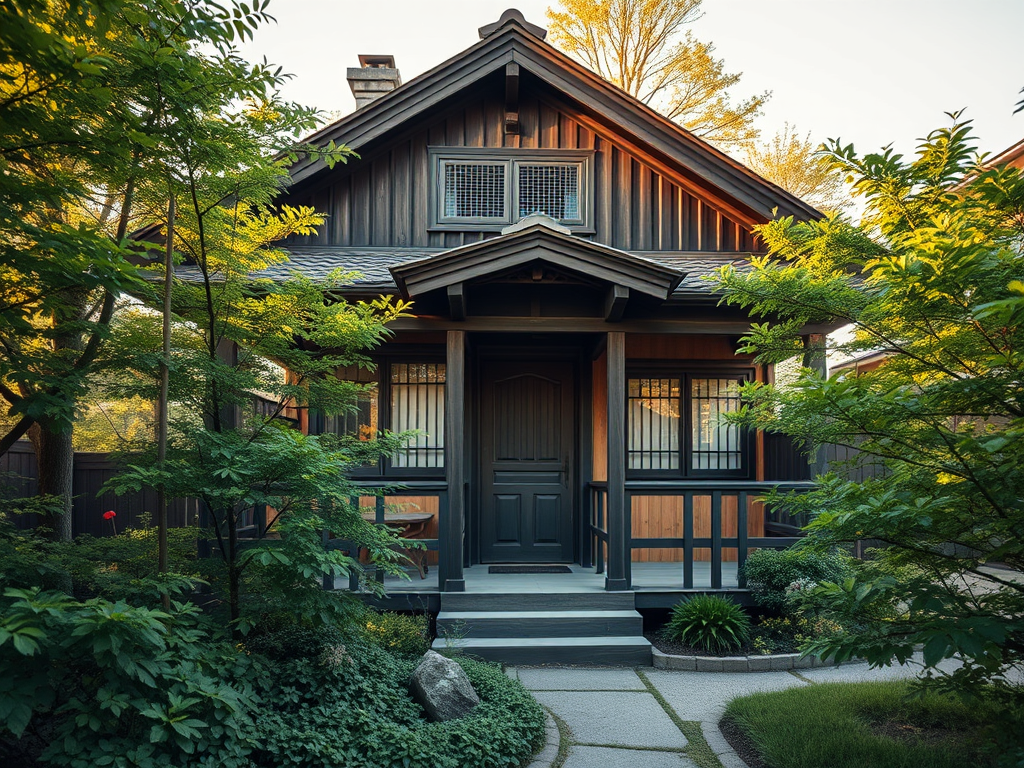
In the bustling metropolis of Tokyo, the march of progress often comes at the cost of cherished historical treasures. Amidst the rapid urban development, old houses are vanishing at an alarming rate, leaving behind a void of cultural heritage. But in the face of this relentless tide of demolition, a glimmer of hope emerges in the form of Kessaku, a pioneering venture founded on the principle that sharing is caring.
Tomohiro Fujii, a visionary graduate of Central Saint Martins, and consultant Shori Fuji have joined forces to combat the plight of disappearing historic properties. Their brainchild, Kessaku, seeks to safeguard Japan’s architectural legacy by offering shared ownership opportunities to individuals passionate about preserving the past.
The concept is elegantly simple yet profoundly impactful: for as little as ¥1,000 (€6.20), interested parties can acquire a stake in a historic property. In return for their investment, co-owners gain the privilege of occupying the revered buildings for a designated number of days each year. Kessaku assumes the responsibility of managing and maintaining these architectural gems, ensuring their longevity for generations to come.
At the heart of Kessaku’s mission lies a commitment to revitalizing neglected historic homes and fostering a newfound appreciation for Japan’s architectural heritage. The inaugural offering, a charming 1930s house nestled in the picturesque region of Nagano, epitomizes the potential of this innovative approach. Threatened by neglect and devoid of heirs to carry on its legacy, the wooden structure faced an uncertain fate until Kessaku intervened.
According to Fujii, the resurgence of interest in heritage tourism has provided a crucial lifeline for endangered properties like the one in Nagano. Visitors, enamored by the allure of bygone eras, eagerly seek out opportunities to immerse themselves in the rich tapestry of Japan’s architectural history. “There’s a change towards valuing older buildings,” Fujii observes, “We would like Kessaku to be part of that transition.”
Indeed, Kessaku’s endeavor transcends mere property ownership; it represents a beacon of hope for communities striving to preserve their cultural identity in the face of rapid modernization. By democratizing access to historic homes and fostering a sense of collective stewardship, Kessaku empowers individuals to become guardians of their cultural heritage.
As Japan grapples with the dual imperatives of progress and preservation, initiatives like Kessaku offer a compelling vision for a harmonious coexistence between tradition and modernity. Through the power of shared ownership and communal responsibility, these time-honored landmarks can endure as living testaments to Japan’s rich architectural legacy for generations to come. Indeed, in the realm of historic preservation, sharing truly is caring.

Manuale Creativo per Fotografi Ribelli
40 idee per riscattare il tuo sguardo fotografico. Un libro di Massimo Usai per chi vuole guardare il mondo con occhi nuovi.
Acquista su Amazon In qualità di Affiliato Amazon ricevo un guadagno dagli acquisti idonei.Scopri di più da
Abbonati per ricevere gli ultimi articoli inviati alla tua e-mail.


