
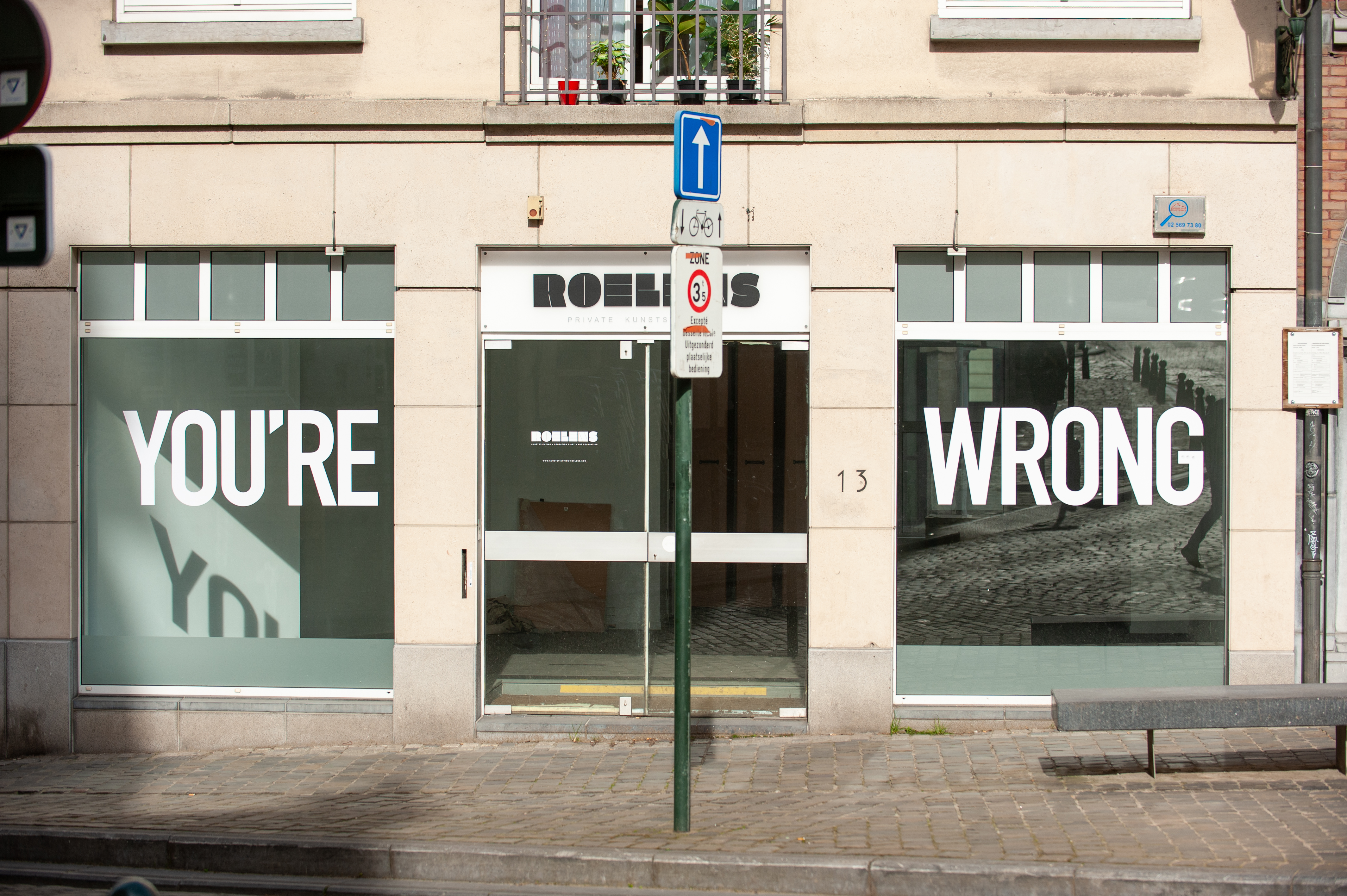
When we walk through our favourite cities, it’s easy to get lost in the fast pace of life. But beneath the hustle and bustle, there’s a deep history and urban identity that makes these places special.
Take London, for example. Here, ancient Roman walls meet modern skyscrapers. This mix shows how a city can change over time. It’s a story of layers that make up a city’s cultural memory.
As cities grow and change, it’s interesting to see how memories are kept alive. This article will look at how a city’s past and present connect. We’ll explore how urban identity is shaped by these connections.
The Concept of Cultural Memory in Urban Environments
Urban areas are more than just places. They hold the collective memory of a community. Cultural memory is key to understanding how cities grow and keep their distinctiveness. It’s about shared experiences, traditions, and historical events that a community remembers and honors.

What is Cultural Memory?
Cultural memory is the shared memory of a community’s past. It includes important events, cultural practices, and key figures. It’s kept alive through monuments, museums, and stories passed down through generations. As Aleida Assmann says, “Cultural memory is a collective concept shared by a group. It’s sustained through cultural practices and institutions.”
“Cultural memory is a collective concept that is shared among a group of people and is sustained through cultural practices and institutions.”
The Role of Collective Memory in Cities
Collective memory shapes a city’s identity. It affects how urban spaces are designed, used, and seen by locals. Neighborhoods with a strong cultural heritage often have a closer-knit community. People feel connected to their area’s history and traditions.
In cities like London, cultural memory is kept alive through landmarks like the Tower of London and Buckingham Palace. These sites draw tourists and remind everyone of the city’s rich history and cultural importance.
However, as neighborhoods change due to gentrification or development, cultural memory can be at risk. It’s crucial for cities to find a balance between growth and preserving cultural heritage. This way, they can keep their unique identities intact.
Architectural Heritage and Urban Identity
Urban identity is deeply rooted in the architectural heritage around us. Buildings, monuments, and structures are not just physical. They hold memories, stories, and histories that define a place.
Iconic Landmarks as Memory Keepers
Iconic landmarks are more than famous buildings. They embody a city’s history and cultural identity. For example, the Eiffel Tower in Paris or the Colosseum in Rome. These landmarks remind us of a city’s rich past.
The beauty of these landmarks is not just in their architecture. It’s in the memories and emotions they evoke. The statue of Liberty in New York symbolizes freedom and hope for millions.
The Impact of Preservation Efforts
Preservation efforts are key to keeping architectural heritage intact. By protecting historic buildings and landmarks, cities keep their unique character. Successful projects safeguard structures and the stories behind them.
| City | Landmark | Preservation Effort |
|---|---|---|
| Rome | Colosseum | Restoration of ancient structures |
| Paris | Eiffel Tower | Regular maintenance and restoration |
| New York | Statue of Liberty | Renovation and preservation of the monument |
These efforts greatly contribute to urban identity. They ensure the historical essence of a city is kept. They also boost local economies through tourism, attracting visitors worldwide.
Local Narratives and Community Stories
Urban identity is deeply rooted in the local narratives and community stories shared among residents. These stories, passed down through generations, form the backbone of a city’s cultural heritage.

The significance of oral histories cannot be overstated. They offer a glimpse into the past, showing us the lives and experiences of community members. By preserving these stories, cities keep a strong sense of identity and continuity.
Oral Histories: Voices from the Past
Oral histories are a powerful tool for capturing community life’s essence. They are shared through personal anecdotes, folklore, and historical accounts passed down through generations. Photography is crucial, acting as a visual aid that complements the narrative and enhances memory recall.
The combination of photography and memory creates a strong framework for preserving urban identity. Photographs evoke powerful emotions and memories, linking the past to the present. They provide a tangible connection to the community’s history.
The Importance of Diverse Perspectives
Diverse perspectives are vital in enriching a city’s cultural memory. By including a wide range of stories and experiences, cities foster a more inclusive and nuanced understanding of their identity. This diversity helps break down cultural and social barriers, promoting a stronger sense of community.
In conclusion, local narratives and community stories are fundamental to urban identity. By embracing and preserving these stories, cities ensure their cultural heritage thrives.
The Role of Monuments and Memorials
Monuments and memorials in cities connect us to the past. They shape our cultural identity. These structures remember important historical events and hold the community’s collective memory.
Commemorating Significant Events
Monuments and memorials honour key moments in history. They remind us of the past. War memorials, for example, honour those who died in wars.
These memorials are key for remembrance ceremonies and community events. They show their value in cultural memory in cities.
Controversies Surrounding Public Memorials
But, public memorials also spark debates. Some argue that certain memorials celebrate problematic history. For instance, monuments to figures tied to colonialism or slavery face criticism.
These debates show how cultural memory changes. They reflect shifting societal values and views over time.
Gentrification and Its Impact on Memory
Gentrification changes urban areas quickly, posing big challenges to keeping cultural memory alive. As areas change, the risk of losing the history and culture of long-time communities grows.
Gentrification is more than just changing buildings. It also brings in new people and changes the area’s economy. This can deeply affect a community’s culture.
Displacement and Cultural Loss
One big effect of gentrification is pushing out long-time residents. As prices go up, many have to leave. They take their stories and traditions with them.
This can break down community ties and erase cultural identity. The erosion of cultural heritage shows in closed shops, fewer community events, and lost landmarks.
Strategies for Maintaining Local Identity
Even with gentrification’s challenges, there are ways to keep local identity strong. Community-led efforts are key to saving cultural heritage.
- Community engagement programs that involve local residents in decision-making.
- Preservation efforts focused on protecting historical landmarks and cultural sites.
- Support for local businesses and cultural events that celebrate the community’s heritage.
These steps can lessen gentrification’s bad effects. They help keep a community’s culture alive.
| Strategy | Description | Impact |
|---|---|---|
| Community Engagement | Involves local residents in decision-making | Empowers community, preserves cultural identity |
| Preservation Efforts | Protects historical landmarks and cultural sites | Maintains cultural heritage, attracts tourism |
| Support for Local Businesses | Promotes local economy and cultural events | Enhances community character, supports local economy |
Street Art: A Modern Form of Memory
Street art has changed cities, making walls into canvases that show community heritage. It makes cities look better and helps keep urban identity alive.
Murals Reflecting Community Heritage
Murals are key in street art, showing history, culture, and community stories. They turn public areas into lively displays of local identity. This creates a sense of community and belonging.
Murals in cities often tell the history and struggles of local people. They serve as a visual story of heritage. This helps keep cultural memory alive and teaches new generations about their community’s past.
Graffiti as a Narrative Tool
Graffiti is a dynamic way to tell stories of city life and memories. It gives a voice to those who might not be heard, letting artists share social views, political opinions, or personal tales.
- Graffiti conveys complex messages in a fun way.
- It shows the mood of a city, like a weather forecast.
- By marking cities, graffiti artists leave their mark, adding to the city’s culture.
In summary, street art, including murals and graffiti, is vital for urban identity. It beautifies cities and captures community heritage and city life in a modern way.
Public Spaces and Their Historical Significance
As cities grow, public spaces stay the same, keeping the cultural memory alive. These areas are more than just places for people to hang out. They are key players in a city’s story and identity.
Public spaces are where communities gather, celebrate, and mourn. They see the ups and downs of city life, showing how society changes.
Parks as Memory Landscapes
Parks are special public spaces that hold a city’s history and culture. They’re not just for fun but also for keeping memories alive.
“Parks are the lungs of the city, providing a space for recreation, reflection, and remembrance.” – Urban Planner, Jane Smith
Parks show off a city’s values and history through their design. For example, Victorian-era parks in the UK had grand entrances and fancy features. These showed the civic pride of that time.
| Park Name | Location | Historical Significance |
|---|---|---|
| Hyde Park | London | Hosted the Great Exhibition of 1851 |
| Kelvingrove Park | Glasgow | Site of the 1901 Glasgow International Exhibition |
| Regent’s Park | London | Designed by John Nash in the early 19th century |
Community Gathering Spots Through Time
For centuries, places like town squares and plazas have been at the heart of city life. They’ve hosted markets, speeches, and celebrations, keeping communities together.
These spots have changed over time, showing how cities and cultures evolve. Even as markets turn into shopping centers, they remain key community places.
In summary, parks and community spots are more than just areas in a city. They are keepers of history, culture, and memory. They are vital in shaping urban identity and keeping a city’s heritage alive.
Technology’s Role in Preserving Memory
Technology is changing how we keep urban memories alive. It makes it easier and more fun to remember our cities. Digital tools are reshaping how we interact with and recall our surroundings.
Digital Archives and Urban History
Digital archives are key in saving urban history. They turn old documents and photos into digital records. This way, cities can keep their past safe and share it with more people.
Digitised photography collections show a city’s growth through pictures. They capture key moments that shape its identity.
Creating these archives needs teamwork. Local governments, historical groups, and tech companies work together. This mix ensures the archives are full and varied. Plus, they can grow and change, adding new stories and facts.
Augmented Reality Experiences
Augmented Reality (AR) is making urban memory more interactive. It adds digital layers to real places, bringing history to life. For instance, AR can show historical scenes or give extra info on landmarks.
AR makes learning about history fun, especially for the young. It also shows how cities change over time. This includes stories of old neighborhoods and forgotten tales.
In short, tech is not just saving urban memories. It’s making them more fun and accessible. Digital archives and AR bring history to life, keeping it fresh and engaging for everyone.
Education and Cultural Memory
Education is key in keeping cultural memory alive in fast-changing cities. As cities grow, it’s more important to keep their history and culture safe.
Schools are at the heart of this effort. They teach local history and values to the next generation.
Schools as Centers of Local History
Schools are more than places for learning. They also teach local history and traditions. By adding local stories to their lessons, schools help students understand their community’s past.
Local history projects help students connect with their roots. These projects involve studying local events, people, and customs.
| Project Type | Description | Benefits |
|---|---|---|
| Historical Research | Students research local historical events and figures. | Enhances knowledge of local history, develops research skills. |
| Cultural Documentation | Documentation of local cultural practices and traditions. | Preserves cultural heritage, promotes cultural awareness. |
| Community Interviews | Students conduct interviews with local community members. | Captures personal histories, fosters community engagement. |
Engaging Students in Their Neighborhoods
Getting students involved in their neighborhoods is vital. It helps them feel connected to their community. By joining local projects, students learn to appreciate their cultural heritage.
Community-based learning initiatives are great for this. They bring schools, local groups, and people together. Together, they work on projects that celebrate and protect cultural traditions.

By linking education with cultural memory, cities can keep their stories alive for the future.
Future Trends in Urban Memory
Cities are changing fast, and how we remember them is too. New tech, city growth, and cultural history are mixing up urban memory.
Technological Advancements
Technology is key in saving and sharing urban memories. Digital archives and augmented reality experiences are vital. They help us keep city life and history alive.
These tools make memories easy to find and fun to explore. They teach us in exciting ways.
Digital platforms are also saving oral histories and community tales. This way, cities protect their cultural treasures for the future. It lets people dive deep into their neighborhood’s past.
Predictions for the Future
Technology will keep growing its role in city memories. We’ll see virtual reality bring history to life. It will change how we see our city’s past.
Changes in neighborhoods, like gentrification, will also shape city memories. It’s important for city planners to think about these changes. They must balance new developments with keeping cultural heritage alive.
Getting younger people involved in city history is also key. Schools and community groups will play a big part. They’ll help keep the past alive for the next generation.
Conclusion: Embracing Layers of Urban Identity
Cities grow and change, and so does their identity. This identity is made up of history, culture, and today’s life. Photography helps capture these layers, keeping memories alive that might fade away.
Preserving the Past for a Stronger Sense of Place
Keeping the past alive is key to a strong sense of place. By valuing a city’s history and culture, people can understand its true identity. This understanding comes from preserving landmarks, stories, and community tales, weaving them into the city’s memory.
Integrating Memory into Contemporary Urban Life
It’s vital to mix old memories with today’s city life. This way, cities can respect their past while looking forward. Photography and storytelling are powerful tools in keeping a city’s identity alive, ensuring its history influences its future.

Manuale Creativo per Fotografi Ribelli
40 idee per riscattare il tuo sguardo fotografico. Un libro di Massimo Usai per chi vuole guardare il mondo con occhi nuovi.
Acquista su Amazon In qualità di Affiliato Amazon ricevo un guadagno dagli acquisti idonei.Scopri di più da
Abbonati per ricevere gli ultimi articoli inviati alla tua e-mail.


1 comment
[…] lo stesso sguardo con cui cammino dentro gli strati di identità urbana di ogni città: le città cambiano in fretta, la memoria no. E Roma, più di tutte, è fatta di […]