
Rank
Imagine living a long, healthy life, free from chronic diseases, and surrounded by loved ones. This is the reality for people living in the world’s Blue Zones. These areas have individuals living longer and healthier than anywhere else.
The secrets to their longevity are their diet and lifestyle. They focus on whole, plant-based foods and a strong sense of community. By adopting these habits, we can improve our health and wellbeing.
This guide will explore the core principles of the Blue Zones diet and lifestyle. You’ll get practical tips and insights on how to add these habits to your daily life. This will promote longevity and healthy living.
What are Blue Zones?
In the world, there are places called Blue Zones where people live long and healthy lives. These areas have been studied to find out their secrets. They help us understand how to live longer and better.
Definition and Concept
Dan Buettner, a National Geographic Fellow, named these places Blue Zones. They are areas where people live longer and healthier than others. It’s not just about living long but also about living well.
The first Blue Zones were found in Okinawa, Japan; Sardinia, Italy; Nicoya Peninsula, Costa Rica; Ikaria, Greece; and Loma Linda, California. Each place has its own way of living and eating that helps people stay healthy.
The Importance of Longevity
Learning about Blue Zones is key because they show us how to live longer and healthier. By studying these places, we can find out what habits help people live longer. We can then use this knowledge to improve our own lives.
Longevity is not just about living a long time. It’s about living well. Blue Zones teach us that health is about more than just food and exercise. It’s also about our social connections and how we handle stress.
Inspiration from Different Cultures
Blue Zones are interesting because they show us different ways of living. From Okinawa’s plant-based diet to Ikaria’s strong social bonds, each place teaches us something. By looking at these cultures, we can learn more about a healthy life.
The traditions of Blue Zones offer lessons for the world. For example, the importance of family and community is a common theme. These values help people find purpose and happiness in their lives.
The Science Behind Blue Zones
The science behind Blue Zones explores the lifestyle and diet of people in these areas. Researchers look at what makes these people live long and healthy lives. They find common traits that can help us all live better.
Key Factors of Longevity
Long life in Blue Zones comes from genetics, environment, and lifestyle. Studies show that eating plants, being active, and having strong social ties are key. These habits help keep people healthy and lower disease risk.
These zones focus on whole foods and healthy fats. Their diet is full of fruits, veggies, whole grains, and legumes. These foods give important nutrients and antioxidants.
Understanding the Blue Zones Project
The Blue Zones Project studies habits that lead to long life. It looks at the environments of Blue Zones people. This helps us learn how to make our communities healthier.
The project aims to make healthy choices easier. It works on getting better food, encouraging exercise, and building social bonds.
Studies and Research on Diet and Lifestyle
Many studies have looked into Blue Zones’ diet and lifestyle. They show that a balanced diet, exercise, and managing stress are crucial. These findings help us live healthier lives.
Learning from Blue Zones can help us make better choices for our health. It’s about adopting habits that promote well-being.
Core Principles of the Blue Zones Diet
The Blue Zones diet is more than just food. It’s about living a lifestyle that keeps you healthy for a long time. It’s about well-being, not just eating right.
Plant-Based Foundation
At the heart of the Blue Zones diet is eating lots of plants. People in these areas eat a lot of fruits, vegetables, and legumes. The diet is rich in fibre, vitamins, and minerals, which are key for health.
Dan Buettner, a leading researcher, says, “The common denominator in all Blue Zones is not a specific diet, but a plant-predominant dietary pattern.”
“People who live in Blue Zones eat a lot of vegetables, fruits, and whole grains. They also eat beans, like lentils and black beans, as a primary source of protein.”
Importance of Whole Foods
Whole foods are vital in the Blue Zones diet. These foods are not heavily processed and keep their nutrients. Whole grains, nuts, and seeds are staples, giving energy and keeping you full.
- Whole grains like oats, barley, and quinoa are rich in fibre and nutrients.
- Nuts and seeds, such as almonds and chia seeds, are good sources of healthy fats and protein.

Healthy Fats and Proteins
The diet is mostly plant-based but includes healthy fats and proteins. Fatty fish, for example, are consumed in moderation, giving essential omega-3 fatty acids.
| Food | Nutritional Benefit |
|---|---|
| Fatty fish (e.g., salmon) | Rich in omega-3 fatty acids |
| Nuts and seeds (e.g., almonds, chia seeds) | Good source of healthy fats and protein |
| Legumes (e.g., lentils, black beans) | High in protein and fibre |
By following these core principles, you can adopt a diet that supports a long, healthy life. It also improves your overall quality of life.
Key Foods in Blue Zones Meals
The diets in Blue Zones focus on whole, nutrient-rich foods. These diets help people live longer and healthier lives.
Legumes and Nuts
Legumes like beans and lentils are key in Blue Zones. They’re packed with protein, fibre, and nutrients. Nuts and seeds add healthy fats and antioxidants.
In Greece and Italy, chickpeas and lentils are common. They’re nutritious and easy to use in many dishes.
Whole Grains and Vegetables
Whole grains are a big part of Blue Zones diets. Barley, quinoa, and whole wheat are chosen over refined grains for their nutritional value.
Vegetables are eaten a lot, with a focus on leafy greens and root veggies. They’re rich in vitamins and minerals. Seasonal and local produce is preferred.
Fruits and Herbal Teas
Fruits are eaten in moderation, with a focus on berries, figs, and other fruits high in antioxidants and fibre. Herbal teas are also popular, offering hydration and health benefits without caffeine.
This mix of foods creates a balanced diet that supports health and well-being.
Creating Blue Zones Meals at Home
Starting the Blue Zones diet at home is easy once you know how to plan and cook. Focus on eating whole, plant-based foods and healthy fats. These are key to the Blue Zones diet.
Meal Planning Tips
Planning your meals well is key to following a Blue Zones diet. Here are some tips to help you:
- Start with a weekly plan: Plan your meals for the week, including breakfast, lunch, dinner, and snacks.
- Shop smart: Create a grocery list based on your meal plan. Stick to whole, unprocessed foods.
- Prep in advance: Chop veggies, cook grains, and prepare legumes early. This saves time during the week.
Recipes for Breakfast, Lunch, and Dinner
Here are some tasty recipe ideas for each meal:
- Breakfast: Try overnight oats with fruit and nuts, whole-grain toast with avocado, or a veggie omelette.
- Lunch: Enjoy salads with legumes, whole-grain wraps with veggies, or a hearty soup with whole-grain bread.
- Dinner: Have grilled fish or tofu with roasted veggies, or quinoa or brown rice bowls with lots of veggies.
Incorporating Snacks and Sides
Snacks and sides can add variety and nutrition to your Blue Zones diet. Consider:
- Nuts and seeds: Almonds, walnuts, and pumpkin seeds are great choices.
- Fruit: Fresh or dried fruit is perfect for a snack or dessert.
- Vegetable sticks with hummus: A healthy and tasty snack.
By following these tips and ideas, you can enjoy the benefits of the Blue Zones diet. It can lead to a healthier, happier life.
The Role of Portion Control
In the Blue Zones, people know how to control their portions. This is key for living long and well. It’s not just about eating less. It’s about eating the right amount to keep the body healthy.

Understanding Serving Sizes
Knowing serving sizes is important for portion control. In the Blue Zones, portions are smaller than in the West. For example, a meat serving is about 3 ounces, like a deck of cards. This helps avoid eating too much protein.
To help with portion sizes, use visual guides. A grain serving is like a fist, and a veggie serving is like a cupped hand. Being aware of these sizes can help manage calories and keep nutrition balanced.
Mindful Eating Practices
Mindful eating is vital in the Blue Zones. It means focusing fully on eating and drinking. Eating slowly and enjoying each bite helps know when you’re full. This prevents overeating.
Simple ways to practice mindful eating include eating without TV, using small plates, and chewing well. These actions make meals more enjoyable and help with a healthier food relationship.
Tips for Reducing Food Waste
Reducing food waste is linked to portion control. Planning meals and using the right sizes can cut down on waste. A good strategy is to plan meals and make a shopping list to avoid excess.
Another tip is to get creative with leftovers. In the Blue Zones, people turn leftovers into new dishes. This reduces waste, saves time, and money. Being mindful of portions and meal planning helps the environment.
Community and Connection in Blue Zones
In the world’s Blue Zones, community and connection are key. They are the base for long life and happiness. Feeling part of a community boosts well-being.
Social Networks Matter
Strong social networks are a Blue Zones trait. People here have tight-knit families and friends. This support system helps reduce stress and boosts mental health.
Studies show that those with strong social ties have better health. They have lower blood pressure and healthier weights. Social networks are crucial for health and longevity in Blue Zones.
Sharing Meals with Loved Ones
In Blue Zones, sharing meals is a way to build community. It strengthens family ties and promotes healthy eating. Meals are a chance to connect, share stories, and enjoy each other’s company.
Mealtimes are sacred in many Blue Zones. Eating is about enjoying the company, not just food. This practice fosters a sense of community and well-being.
Strategies for Community Engagement
Engaging with the community is vital in Blue Zones. People join local groups, volunteer, and do group activities. These actions build a sense of belonging and connection.
| Community Engagement Activity | Benefits |
|---|---|
| Joining local community groups | Expands social networks, promotes a sense of belonging |
| Participating in group meals | Fosters connection, encourages mindful eating |
| Volunteering | Provides a sense of purpose, promotes social interaction |
By engaging in these activities, people can strengthen their social bonds. This helps the community’s overall well-being.
Physical Activity in Blue Zones
People in Blue Zones are known for their high life expectancy. They don’t go to the gym like we do. Instead, they make physical activity a part of their daily lives. This makes it fun and easy to keep up.
Daily Exercise Practices
In Blue Zones, exercise is not about the gym. It’s about moving every day. Activities like gardening or manual work are perfect.
- Gardening and yard work
- Manual labor or physically demanding occupations
- Household chores that require physical exertion
These activities keep them healthy and give them a sense of purpose.
Walking and Outdoor Activities
Walking is big in Blue Zones. People use it to get around, enjoying the fresh air.
They also love spending time outdoors. Activities like farming or fishing are common. These keep them physically and mentally healthy.
| Activity | Frequency | Benefits |
|---|---|---|
| Walking | Daily | Cardiovascular health, mental clarity |
| Gardening | Several times a week | Physical strength, stress reduction |
| Manual labor | Daily | Physical fitness, sense of accomplishment |
Finding Joy in Movement
People in Blue Zones love their physical activities. They enjoy dancing, hiking, or any exercise that makes them happy.
Finding joy in exercise is key. When it’s fun, it’s easier to keep doing it every day.
In summary, Blue Zones focus on making physical activity a part of daily life. They enjoy outdoor activities and find happiness in movement. This approach helps them stay healthy and live longer, happier lives.
Mental Well-being and Stress Management
The secret to long life and happiness in Blue Zones is their mental well-being and stress management. People there live long, fulfilling lives. Their strategies teach us valuable lessons.
Mental well-being is more than just not feeling stressed or anxious. It’s about having a positive outlook and being resilient. The Blue Zones show us how to achieve this.
Mindfulness and Meditation
Mindfulness and meditation are key in Blue Zones. They help people stay present and reduce stress. Simple exercises like focusing on breath or mindful walking can be part of daily life.
- Start with short mindfulness sessions, gradually increasing the duration.
- Use guided meditation apps or videos for support.
- Incorporate mindfulness into daily activities, such as eating or showering.
Importance of Rest and Relaxation
Rest and relaxation are vital for mental health. Blue Zones residents know the importance of breaks and joyful activities. Whether it’s a siesta, reading, or nature walks, they make time for it.
“Rest is not idleness, and to lie sometimes on the grass under trees on a summer’s day, listening to the murmur of the water, or watching the clouds float across the sky, is by no means a waste of time.” – John Lubbock
Cultivating a Positive Mindset
Having a positive mindset is crucial in Blue Zones. This means practicing gratitude, staying present, and finding purpose. It helps build resilience and tackle life’s challenges.

By adopting these practices, we can improve our mental well-being and manage stress better. The Blue Zones teach us how to live a balanced, fulfilling life. Let’s learn from their wisdom.
Adopting a Blue Zones Lifestyle
The Blue Zones lifestyle focuses on community, healthy eating, and mindful living. These principles help people live longer and healthier lives.
Making Small Changes to Daily Life
The Blue Zones lifestyle is all about small, achievable changes. It doesn’t ask for big changes. Instead, it suggests starting with little things like eating more plants or going for a short walk.
Starting your day with a mindful morning routine is a great idea. It could be as simple as enjoying a cup of tea or meditating for a few minutes.
Sustainable Living Practices
Sustainable living is key in the Blue Zones lifestyle. It’s about living in a way that’s good for you and the planet. Reducing waste and choosing locally sourced foods are good examples.
“The earth has enough for everyone’s need, but not enough for everyone’s greed.” – Mahatma Gandhi
By living sustainably, you help the environment and improve your health at the same time.
Aligning Values with Health Goals
It’s important to match your values with your health goals for a Blue Zones lifestyle. This means setting intentional goals that reflect what’s most important to you, like spending time with family or helping your community.
- Identify your core values and health goals.
- Create an action plan that aligns with these values.
- Engage in activities that promote both personal well-being and community connection.
This way, you can live a more meaningful and fulfilling life. You’ll have healthy habits and a strong sense of purpose.
Common Misconceptions About Blue Zones
The idea of Blue Zones has become popular, but myths and misunderstandings have grown. As more people want to live like the world’s longest-lived, it’s key to clear up these myths. This ensures a true grasp of the Blue Zones lifestyle.
Diet Myths Explained
Many think Blue Zones diets are restrictive and tasteless. But, the truth is, these diets are rich and varied, focusing on plant-based foods. Dan Buettner, a leading Blue Zones researcher, says, “The Blue Zones diet is not about cutting out food; it’s about enjoying plenty of plants, community, and purpose.”
These diets include whole foods like legumes, nuts, and grains. For example, the Okinawan diet is full of sweet potatoes, seaweed, and soy. This shows Blue Zones diets are not dull or limited.
Lifestyle Misunderstandings
Some believe Blue Zones folks do lots of intense exercise. But, their activity is mostly from daily tasks like walking, gardening, or manual work. This natural movement is key to their health.
As
“The secret to a long life is not about exercising for hours or eating special foods; it’s about making healthy choices a part of your daily life.”
This way of moving helps them live longer and better.
The Reality vs. Perception
There’s a big gap between what Blue Zones living really is and what people think. Many think it means making big changes. But, it’s about making small, sustainable changes to daily life. It’s about creating a healthy environment for everyone.
By understanding Blue Zones, we can make better choices for a healthier life. The Blue Zones Project inspires people globally. It’s important to see past myths and embrace the real beauty of this lifestyle.
Resources for Embracing the Blue Zones Way
For those inspired to adopt the Blue Zones lifestyle, many resources are available. These can help deepen your understanding and commitment. They support the journey towards longevity and well-being.
Informative Literature and Visual Content
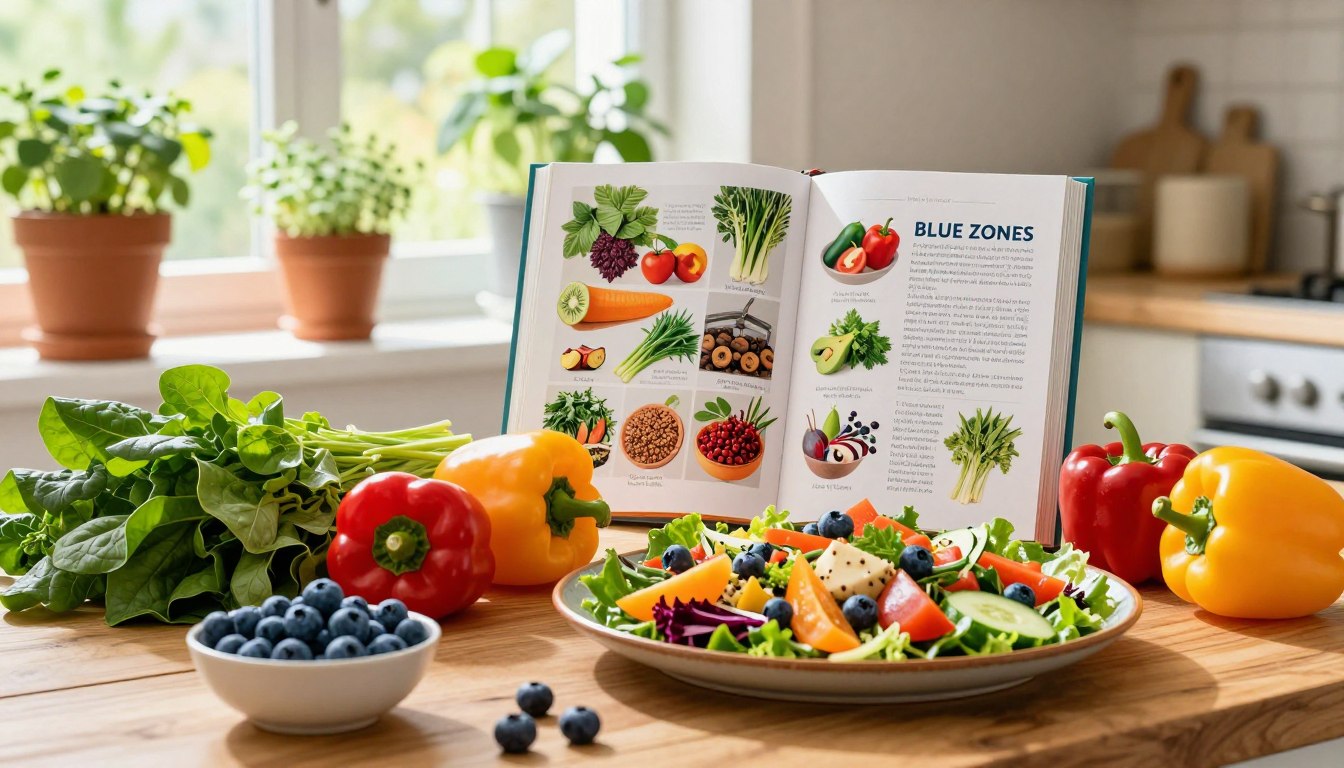
Books and documentaries offer insights into the Blue Zones diet and lifestyle. Books give detailed guidance on applying Blue Zones principles at home. Documentaries show the lives of people in these regions, highlighting their habits and practices.
Supportive Online Networks
Online communities and support groups are great for sharing experiences and asking questions. They offer motivation and are essential for staying committed to the Blue Zones lifestyle.
Practical Learning Opportunities
Workshops and cooking classes are excellent for learning Blue Zones recipes and practices. Led by experts, these sessions teach the skills needed to maintain a Blue Zones lifestyle.
Using these Blue Zones resources can enhance your understanding and ability to adopt this lifestyle. It leads to a healthier, more fulfilling life.
FAQ
What are the core principles of the Blue Zones diet?
The Blue Zones diet focuses on eating plants, whole foods, and healthy fats and proteins. It’s all about eating lots of fruits and veggies, whole grains, and lean proteins.
What foods are commonly consumed in Blue Zones meals?
In Blue Zones, people eat lots of legumes, nuts, whole grains, veggies, fruits, and herbal teas. These foods are full of nutrients and help people live long, healthy lives.
How can I create Blue Zones meals at home?
To make Blue Zones meals at home, plan your meals and use recipes with plant-based ingredients. Include whole grains and lean proteins. You can also make snacks like overnight oats and salads.
What is the importance of portion control in the Blue Zones diet?
Portion control is key in the Blue Zones diet. It helps keep your weight healthy and stops you from eating too much. Learning about serving sizes and eating mindfully is important.
How does community and connection play a role in Blue Zones?
Community and connection are big in Blue Zones. Sharing meals with family and friends, doing social activities, and being part of a community are all important.
What types of physical activity are common in Blue Zones?
People in Blue Zones love to move. They enjoy walking and doing outdoor activities that make them happy. These activities are part of their daily life.
How can I manage stress and promote mental well-being like people in Blue Zones?
To manage stress and improve your mental health like Blue Zones folks, try mindfulness, meditation, and taking breaks. These practices help a lot.
What are some common misconceptions about the Blue Zones diet and lifestyle?
Some people think Blue Zones folks eat very little or exercise too much. But really, it’s about making lasting, healthy changes in your life.
How can I adopt a Blue Zones lifestyle?
Start small to adopt a Blue Zones lifestyle. Add more plant-based meals, move more, and be mindful. You can also live more sustainably and align your values with your health goals.
What resources are available for those interested in learning more about Blue Zones?
There are many resources out there. You can find books, documentaries, online groups, workshops, and cooking classes. They can help you learn more and support you as you make changes.
What are some examples of foods that promote longevity?
Foods that help you live longer include legumes, nuts, whole grains, veggies, fruits, and herbal teas. These are all key parts of the Blue Zones diet.
How can I eat like people in Blue Zones?
To eat like Blue Zones folks, focus on a diet rich in plants, whole foods, healthy fats, and lean proteins. Look at Blue Zones diet meal plans for ideas and guidance.

Manuale Creativo per Fotografi Ribelli
40 idee per riscattare il tuo sguardo fotografico. Un libro di Massimo Usai per chi vuole guardare il mondo con occhi nuovi.
Acquista su Amazon In qualità di Affiliato Amazon ricevo un guadagno dagli acquisti idonei.Scopri di più da
Abbonati per ricevere gli ultimi articoli inviati alla tua e-mail.


1 comment
[…] Blue Zones, Sardegna e comunità del vivere bene […]