
A local’s guide to eating in Italy without committing a single culinary crime
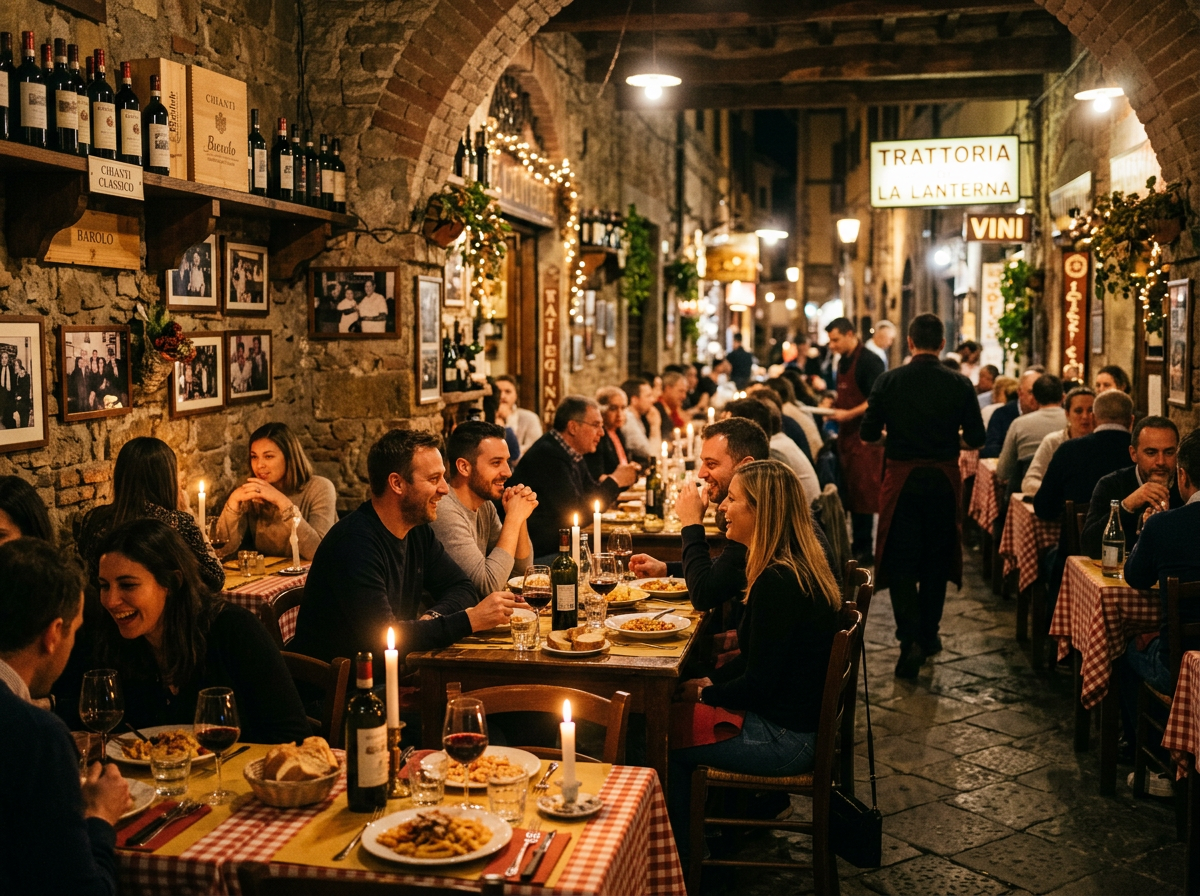
It’s 10:30pm in a trattoria near Rome. Somewhere behind me, a fork stops mid-air, a wine glass hovers untouched, and a hush falls over the room like someone’s just announced a death in the family. The cause of this collective cardiac event? A tourist, three tables over, cheerfully asking for “a cappuccino, please.” Nobody says anything. Nobody needs to. The silence does all the talking, and what it’s saying is: we need to have a word.
Italians didn’t write these rules to torture visitors. They wrote them because, to an Italian, a meal isn’t fuel — it’s a ritual with choreography, and skipping steps is like walking into the middle of a wedding and heckling the vows. Here’s how not to be that tourist.
1. Don’t order a cappuccino after breakfast
The rumor mill will tell you there’s a cutoff time — 10am, 11am, noon, some say sundown like it’s a vampire thing. There isn’t one, really, because the actual rule is simpler and more brutal: cappuccino doesn’t belong at a restaurant, full stop. It’s a breakfast drink, paired with something light like a pastry, because milky foam is considered too rich to survive contact with an actual meal. Order coffee after lunch or dinner and it’s espresso or macchiato, no exceptions, no negotiations. Ask for a cappuccino at 10:30pm and you’re not ordering a beverage, you’re staging a small act of civil disobedience.
2. Don’t upset the order of the meal
Italian dinner isn’t a buffet of options arriving whenever the kitchen feels like it — it’s a symphony with a strict setlist: antipasto, primo (pasta), secondo with contorni (meat or fish with its vegetable side, served on its own separate plate, thank you very much), dolce, then coffee and amaro to bring you back to life. You’re allowed to skip movements. You are not allowed to reshuffle them. Asking the kitchen to “just bring it all out together” is the culinary equivalent of asking an orchestra to play the finale first because you’re in a hurry. And no, salad doesn’t show up as a starter here — it rides shotgun with your main course, not ahead of it.
3. Don’t mix sea and mountain
Somewhere in Italy right now, a waiter is holding a wedge of Parmesan over a plate of spaghetti alle vongole, and a small piece of him is dying. Seafood (mare) and aged cheese (monti) are considered separate culinary universes that evolved apart and, by Italian consensus, should stay that way — their flavours are thought to compete rather than cooperate. This isn’t a superstition you can charm your way around with enthusiasm; ask for cheese on your clams and you will get a version of a wince that’s been passed down for generations. There are sanctioned exceptions, like pasta with mussels and pecorino, but those are deliberate recipes, not tourist requests.
4. Don’t ask for substitutions
In most countries, a menu is a suggestion. In Italy, it’s closer to a legal document. Short, ridged pasta shapes are paired with chunky sauces they can physically grip; long, silky pasta gets the smoother sauces. Swapping an ingredient isn’t a harmless tweak — it’s an insult to both the dish and the chef who built it, roughly the equivalent of walking into someone’s art studio and repainting a corner of their canvas because you personally prefer more yellow.

5. Don’t leave the region
Ordering “Italian food” in Italy is a bit like ordering “European food” in Europe — technically a category, practically meaningless. Italy has only existed as a unified country since the late 1800s, and plenty of Italians still identify with their region before their nation. That means the food is fiercely local: pizza in Naples, limoncello on the Amalfi Coast, pesto in Genova, cacio e pepe and carbonara in Rome, thick Florentine steaks in Florence, a shoot of Mirto after any meal in Sardinia, and Aperol Spritz plus cicchetti in Venice’s bacari. Show up in Naples and order a Florentine steak and you haven’t ordered Italian food so much as declined the invitation to eat where you actually are.
6. Don’t rush it
An Italian meal is not a transaction you complete efficiently and leave. It’s a multi-hour social event with built-in breathing room, occasional sorbet, and rounds of wine ordered somewhere around the point most people would be asking for the bill. Show up for dinner at 9pm, which is normal here, and don’t expect to be finished before midnight. Checking your watch partway through is the diner’s version of yawning during a toast.
7. Don’t skip the amaro
The meal doesn’t end with the plate — it ends with something bitter. Amaro literally means “bitter,” made from citrus peel, walnut shells, or medicinal herbs, and it exists specifically to reset your system after everything that came before it. Skipping it is like leaving a movie before the credits — technically the story’s over, but you’ve missed the part that actually settles everything. Ask what’s local, or better, what’s homemade. Sip, exhale, start again tomorrow.
8. Don’t expect the bill without asking for it
Here’s the twist ending: after several hours of scripted ritual, the final act has no script at all. Italian servers consider it rude to drop the check at your table uninvited — it reads as “get out.” Which means, if you simply sit there waiting patiently the way you would anywhere else, you will keep sitting there. And sitting. Watching the restaurant empty out around you, wondering if you’ve been quietly adopted by the building. Eventually you’ll have to catch a waiter’s eye and say the magic words yourself: “Il conto, per favore.” Nobody’s coming to rescue you from your own table. That’s not neglect — it’s hospitality.
None of this is really about food, of course. It’s about the fact that Italians built an entire etiquette system around not rushing the good things in life — and they’d rather you sit down, slow down, and figure it out than eat efficiently and miss the point entirely.

Manuale Creativo per Fotografi Ribelli
40 idee per riscattare il tuo sguardo fotografico. Un libro di Massimo Usai per chi vuole guardare il mondo con occhi nuovi.
Acquista su Amazon In qualità di Affiliato Amazon ricevo un guadagno dagli acquisti idonei.Scopri di più da
Abbonati per ricevere gli ultimi articoli inviati alla tua e-mail.


