
By Patrizia Riello Pera, Padua, Italy.
In 1988, the Campiello Prize was awarded to Rosetta Loy for “Le strade di polvere”, a novel in which history does not enter as a great noisy machine, but as a slow current flowing through houses, rooms, fields, marriages, births, bereavements, and family silences.
The author tells the story of a Piedmontese family tied to landed property, following its destiny across several generations and observing the way time alters relationships, wears away certainties, shifts social boundaries, and leaves almost imperceptible traces in objects, landscapes, and everyday habits. The strength of the book lies in its ability to transform domestic memory into narrative material: private events are not presented as mere family chronicle, but as a living fabric in which every gesture preserves the echo of a changing world.
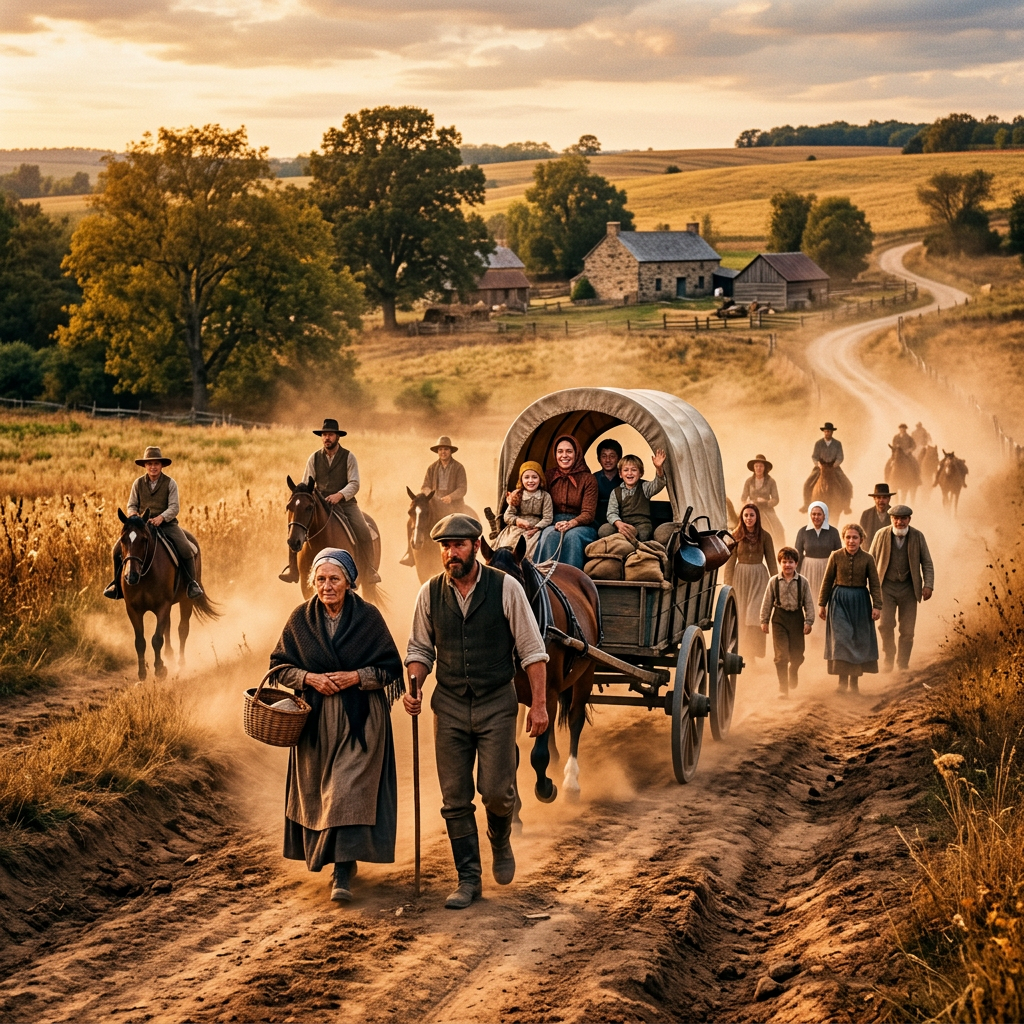
Rosetta Loy constructs a novel of great refinement, attentive to concrete details and suspended atmospheres, where the dust of the roads becomes an image of the passage of time, the fragility of inheritance, and the slow disappearance of an entire rural civilisation. Official History remains in the background, yet its presence is felt in the transformations of society, in changes in property ownership, in the relationships between landowners and peasants, and in the tensions accompanying the transition from an ancient Italy to a country already moving towards modernity. Loy’s writing proceeds with measure, elegance, and visual precision, avoiding spectacular effects and favouring instead the discreet depth of things observed at close range.
The characters emerge through relationships, memories, loyalties, emotional distances, and often silent choices, composing a world in which individual destiny seems inseparable from the place of origin and from family memory. With “Le strade di polvere”, Rosetta Loy offers an intense and refined narrative on time, belonging, and the dissolution of inherited worlds, confirming her ability to give literary value to the most intimate folds of private life.
The Campiello Prize thus recognises a work capable of combining stylistic delicacy, historical depth, and narrative sensitivity, consigning to Italian literature a novel in which memory is not nostalgia, but a lucid and poignant form of knowledge.
https://patriziarielloperalibri.it/blog-patrizia-riello-pera

Manuale Creativo per Fotografi Ribelli
40 idee per riscattare il tuo sguardo fotografico. Un libro di Massimo Usai per chi vuole guardare il mondo con occhi nuovi.
Acquista su Amazon In qualità di Affiliato Amazon ricevo un guadagno dagli acquisti idonei.Scopri di più da
Abbonati per ricevere gli ultimi articoli inviati alla tua e-mail.


1 comment
[…] anche: la serie di Urban Mood Magazine sui vincitori del Premio Campiello, da Rosetta Loy e «Le strade di polvere», tra memoria e storia, al Campiello 2025 di Wanda […]