
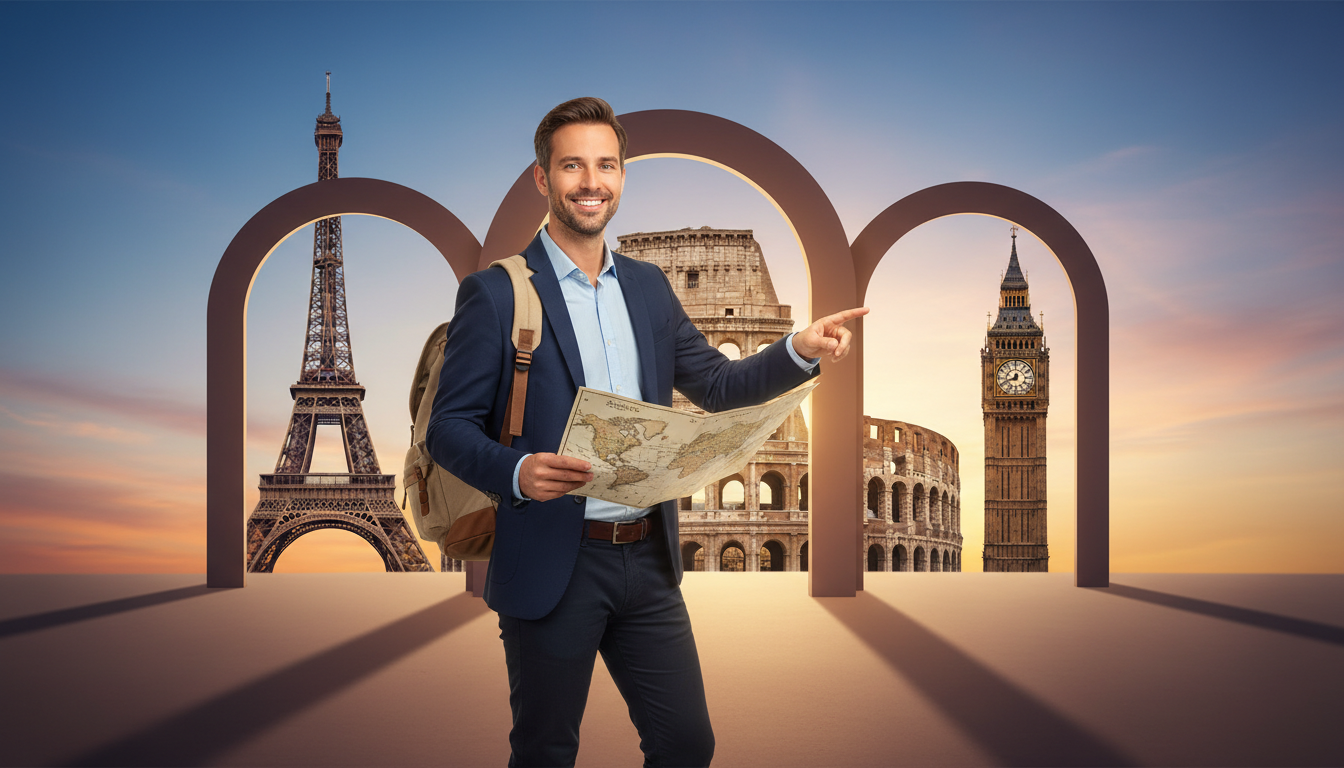
I still remember the excitement when I first boarded a train to Paris. Looking out at the changing landscapes, I felt the world was much bigger than my local village. Since then, I’ve explored many cobbled streets and vibrant piazzas across Europe.
Planning a journey should be an adventure, not a chore. Let me guide you to the best of European Travel Guide for an unforgettable trip. With the right preparation, you’ll avoid stress and enjoy every magical moment.
Foreign systems can seem daunting without the right knowledge. I’ll share my top travel tips in Europe to help you move with confidence. From smart packing to finding hidden spots, I’ll show you the way.
I believe every holiday should give you stories that last forever. As a seasoned explorer, I’ll share my expertise to help you through various complexities. Let’s explore the details together and make your dreams come true today.
Introduction to European Travel
Europe is a place where old meets new. It’s full of history, culture, and stunning landscapes. This makes it a top choice for anyone who loves to travel.
The Allure of Europe
Europe has it all – from mountains to beaches. Its cities buzz with life and culture. Famous spots like the Eiffel Tower and the Colosseum are just the start.
Highlights of Popular Destinations
Planning a trip to Europe? You can’t miss London, Paris, and Rome. They offer history, art, and a modern vibe.
| Destination | Key Attractions | Best Time to Visit |
|---|---|---|
| London | Buckingham Palace, British Museum | Spring (March to May) |
| Paris | Eiffel Tower, Louvre Museum | Autumn (September to November) |
| Rome | Colosseum, Vatican City | Spring (April to June) |
These cities are more than just places to visit. They open doors to exploring the rest of Europe, each with its own special charm.
Planning Your European Adventure
Europe is full of amazing places, so planning is key to a great trip. A good plan lets you see the best of Europe, from bustling cities to peaceful landscapes.
Best Times to Visit Europe
Europe welcomes visitors all year, but the best time varies. Summer is perfect for sightseeing with its warm weather. But, it’s also the busiest and priciest time.
Spring and autumn offer mild weather and fewer crowds. They’re great for city tours and countryside walks. Winters are best for skiing and festive markets, though some places might be closed.

Key Considerations for Travel
When planning your European trip, think about a few important things. Accommodation in Europe ranges from cheap hostels to fancy hotels. Book early, especially in summer.
Transport is another big thing. Europe’s rail network is vast and efficient. Booking travel early saves money and time.
Budgeting Your Trip
Setting a budget is crucial for your European adventure. Costs can pile up, so plan your spending. Start with a daily budget and try to stick to it.
- Accommodation costs vary by country and city.
- Food prices differ, but eating at local spots can be cheap.
- Don’t forget to budget for attractions and activities.
With early planning and smart choices, you can have a wonderful trip to Europe without overspending.
Must-See Cities in Europe
Exploring Europe, I find myself drawn to its must-see cities. Each city has its own unique charm and attractions. This makes Europe a fascinating place to visit.
Exploring London: Culture and History
London, England’s capital, is rich in history and culture. It boasts famous landmarks like Buckingham Palace and the British Museum. There are countless museums and galleries to explore, like the National Gallery and Tate Modern.
The city’s diverse culture is also seen in its food. You can find international restaurants and traditional pubs serving classic British dishes.
Paris: The City of Light
Paris, known as the City of Light, is a gem for art, fashion, and romance lovers. Iconic spots include the Eiffel Tower, Notre-Dame Cathedral, and the Louvre Museum. A stroll along the Seine River reveals the city’s historic beauty.
For shoppers, Paris is a dream come true. Stores like Galeries Lafayette and Le Bon Marché offer luxury goods and French treats.
Rome: A Journey Through Time
Rome, the Eternal City, is a historical and architectural marvel. It houses ancient wonders like the Colosseum and the Pantheon. Visitors can also explore the Vatican City and enjoy Italian food.
Wandering Rome’s streets and piazzas is a delightful experience. It allows you to soak in the city’s lively atmosphere and rich history.
Hidden Gems Off the Beaten Path
Europe’s charm isn’t just in its famous cities. It’s also in its small, hidden towns and villages. Exploring these places can give you unforgettable experiences.
Discovering Lesser-Known Destinations
For those on a budget, Europe has many affordable spots. Countries like Poland and Hungary offer rich culture at low costs.
Some hidden gems include:
- The charming town of Annecy in France, known as the ‘Venice of the Alps’
- The historic city of Lviv in Ukraine, with its preserved architecture
- The picturesque village of Cinque Terre in Italy, famous for its colourful houses and trails
Unique Experiences in Small Towns
Small towns in Europe offer unique experiences. From local festivals to traditional food, there’s always something new to discover.
Traveling in Europe is easy. You can go by:
- Train: A good and affordable way to see the countryside
- Bus: The cheapest option, with companies like FlixBus and Eurolines covering many routes
- Car rental: Perfect for exploring rural areas at your own speed
By using these travel options, you can fully enjoy your European trip. You’ll see both the famous spots and the hidden gems this amazing continent has.
Navigating Europe: Transport Tips
Traveling around Europe is easy thanks to its good transport system. The network is wide and works well, making trips smooth. Knowing your transport options is key for a great trip, whether you’re visiting a few places or many.
There are many ways to get around Europe. Trains, buses, and car rentals are the most popular.
Trains, Buses, and Beyond
Trains are a great way to see Europe, with many countries linked by fast trains. The Eurostar goes from London to Paris and Brussels. The Thalys connects Paris to Amsterdam and Cologne. For cheaper travel, try FlixBus and Eurolines.
For a slower pace, think about river cruises. River cruises on the Danube, Rhine, and Seine show Europe’s history and culture in a special way.
| Transport Mode | Key Benefits | Popular Operators |
|---|---|---|
| Trains | Fast, comfortable, and scenic | Eurostar, Thalys, TGV |
| Buses | Affordable, frequent services | FlixBus, Eurolines |
| River Cruises | Relaxed, culturally rich experience | Viking River Cruises, Uniworld |
Renting a Car vs. Public Transport
Choosing between renting a car or using public transport is a big decision. Public transport in Europe is usually good and easy to use. It helps you get around cities and between them.
But, renting a car gives you more freedom, especially for exploring rural areas or small towns. Driving in Europe can be tricky because of different rules and city centre limits.
European Cuisine: A Taste of Tradition
Exploring Europe’s culinary world is amazing. The diversity of regional cuisines is incredible. From the Mediterranean diet to Eastern Europe’s hearty dishes, each place offers a unique taste.

European cuisine brings people together. Whether it’s a family dinner in Italy or a street food festival in Spain, food is key. I always seek out local specialties when I travel.
Regional Specialties to Try
Trying regional specialties is a highlight of European travel. Each country and region has its own dishes and ingredients. For instance, Spain’s Paella Valenciana is a must-try from Valencia.
In Italy, Risotto alla Milanese is a creamy rice dish from Milan. Here are more regional specialties to try:
- Croissants in France, flaky pastry for breakfast
- Fish and Chips in the UK, a classic comfort food
- Schnitzel in Austria, a breaded and fried meat dish
Dining Etiquette Tips
Dining in Europe is more than just the food. It’s about the culture and etiquette too. For example, in many places, wait for the host to start eating before you do. In France, it’s rude to leave the table before everyone is done.
Here are some dining etiquette tips:
- Always greet the staff when entering a restaurant, and say goodbye when leaving.
- Keep your hands visible on the table, with your wrists resting on the edge.
- Be prepared to try new foods and drinks, and be respectful of local customs.
Making the Most of Your Trip
As I prepare to wrap up my European adventure, I reflect on the essential travel tips that made my journey unforgettable. To ensure a memorable and stress-free trip, being aware of local customs and regulations is vital.
Practical Advice for Tourists
When travelling in Europe, it’s helpful to research travel tips in Europe. Understanding local transport systems and being mindful of pickpocketing in crowded areas is key. Budget travel in Europe can be achieved by planning ahead, using affordable accommodation options, and enjoying local cuisine at street food stalls or family-run eateries.
Safety and Health Abroad
Staying safe and healthy while abroad requires some basic precautions. I make sure to stay informed about local health guidelines, keep my vaccinations up to date, and be aware of my surroundings, especially in unfamiliar areas.
By being prepared and flexible, I can fully immerse myself in the European experience. This way, I create lifelong memories without breaking the bank or compromising my well-being.

Manuale Creativo per Fotografi Ribelli
40 idee per riscattare il tuo sguardo fotografico. Un libro di Massimo Usai per chi vuole guardare il mondo con occhi nuovi.
Acquista su Amazon In qualità di Affiliato Amazon ricevo un guadagno dagli acquisti idonei.Scopri di più da
Abbonati per ricevere gli ultimi articoli inviati alla tua e-mail.


