Fotografo | Storyteller | Direttore di Urban Mood Magazine 📍 Cagliari, Italia
Chi sono
Sono un fotografo e storyteller con un’anima cosmopolita. Nato a Cagliari, la mia passione per la fotografia e la scrittura mi ha portato a Londra, dove ho vissuto per oltre 20 anni, affinando il mio occhio artistico e collaborando con diverse riviste internazionali come giornalista freelance. Le mie esperienze a Bruxelles e Varsavia hanno arricchito ulteriormente la mia visione del mondo, aggiungendo una prospettiva multiculturale alla mia narrazione visiva e scritta.
Oggi, come Direttore di Urban Mood Magazine, guido una redazione con l’obiettivo di raccontare il mondo attraverso immagini e parole, con uno sguardo attento ai dettagli, all’estetica e alla profondità delle storie.
Il mio lavoro
Le mie immagini sono più di semplici scatti: sono narrazioni visive che catturano l’essenza dei momenti, dalle dinamiche urbane ai frammenti di vita quotidiana. Con uno stile che unisce reportage, arte e storytelling, ho collaborato con testate di prestigio internazionale, tra cui:
📰 New York Times | Time Out London | News Vancouver | Londonist Londra 📰 Latitudes Milano | Il Piccolo di Alessandria | Italia News Media
Molte delle mie fotografie sono disponibili su piattaforme globali come Getty Images, Alamy, Shutterstock, Adobe Stock e 500px, offrendo al pubblico un punto di vista unico e autentico.
Oltre la fotografia
Parallelamente alla mia attività editoriale e artistica, sono co-fondatore di ART PRIME STUDIO, un negozio online che gestisco in collaborazione con Anna Terlecka, produttrice media di Discovery Poland. Qui, oltre a opere artistiche selezionate, è possibile acquistare alcune delle mie stampe fotografiche più esclusive.
Nel tempo libero, seguo con passione l’Arsenal e mi immergo nella musica dei Radiohead, due elementi che, come la fotografia, fanno parte della mia identità.
📷 Scopri di più sul mio lavoro fotografico visitando il mio sito personale.
La Redazione
Benvenuti nella Redazione di “URBAN MOOD MAGAZINE”
La redazione di “URBAN MOOD MAGAZINE” è composta da una squadra diversificata di esperti e appassionati provenienti dalle principali capitali europee, ognuno con un ruolo distintivo nel portare ai lettori una panoramica completa su cultura, viaggi, sport e attualità. Scopriamo chi sono i nostri autori e collaboratori:
Alessio Sartori
Tema: Viaggi e Racconti
Residenza: Firenze, Italia
Mini Scheda: Alessio Sartori è un appassionato viaggiatore che condivide le sue esperienze attraverso racconti avvincenti e dettagliati. Da Firenze, città d’arte e cultura, Alessio esplora il mondo e racconta le sue avventure con un occhio attento ai dettagli e alle curiosità culturali.
Giulia Marini
Tema: Cultura e Orizzonti
Residenza: Torino, Italia
Mini Scheda: Giulia Marini si dedica alla scoperta delle diverse culture e orizzonti del mondo. Con base a Torino, città storica e cosmopolita, Giulia esplora temi culturali globali, offrendo prospettive uniche e approfondite sulle tradizioni e le evoluzioni culturali.
Matteo Ferri
Tema: Europa e Voci
Residenza: Bologna, Italia
Mini Scheda: Matteo Ferri è un esperto di tematiche europee, focalizzandosi sulle voci e le prospettive emergenti nel continente. Da Bologna, città universitaria e dinamica, Matteo esplora le questioni politiche, sociali e culturali che definiscono il panorama europeo contemporaneo.
Elena Lombardi
Tema: Attualità e Storie
Residenza: Napoli, Italia
Mini Scheda: Elena Lombardi è una giornalista appassionata di attualità e narratrice di storie che hanno un impatto sociale. Con sede a Napoli, città vivace e storica, Elena racconta le storie di persone e eventi che influenzano il nostro mondo moderno, portando alla luce temi importanti attraverso il suo lavoro giornalistico.
Luca Montanari
Ruolo: Esperto di Cultura e Innovazione
Residenza: Londra, Regno Unito
Mini Scheda: Luca Montanari è un esperto di cultura e innovazione con radici italiane e sede a Londra. Con una passione per l’arte, la tecnologia e l’innovazione, Luca esplora le tendenze culturali emergenti e le innovazioni che plasmano il panorama europeo e globale. Grazie alla sua esperienza biculturale, Luca offre una prospettiva unica che integra le influenze italiane con le dinamiche culturali londinesi. Scrive in due lingue: Inglese e Italiano.
Sophie Leclerc
Ruolo: Cultura e Attualità Europea
Residenza: Parigi, Francia
Mini Scheda: Sophie è una corrispondente di attualità e cultura europea con sede a Parigi. Con una prospettiva critica e informativa, Sophie analizza gli eventi politici, sociali ed economici che influenzano l’Europa contemporanea, fornendo insight preziosi ai lettori interessati agli sviluppi regionali e globali.
Hanna Simonis
Ruolo: Giornalista e Produttrice Televisiva
Residenza: Varsavia, Polonia
Mini Scheda: Hanna Simonis è una giornalista e produttrice televisiva che scrive da Varsavia. Specializzata in viaggi, food & drinks e lifestyle, Hanna racconta con passione le tendenze emergenti e le destinazioni più affascinanti. La sua esperienza nel mondo dei media le consente di offrire uno sguardo unico e coinvolgente sulle culture e i sapori del mondo. Scrive in tre lingue: Italiano, Polacco e Inglese.
Con questa squadra diversificata e competente, “URBAN MOOD MAGAZINE” si impegna a fornire ai lettori una visione ricca e variegata delle tematiche europee e globali che definiscono il nostro tempo.
Thinking about my travels, I remember Anita Desai’s words, “Wherever you go becomes a part of you somehow.” Planning a trip to European destinations can seem overwhelming. But with the right help, it can be a memorable adventure.
To enjoy your Europe vacation fully, you need to prepare well. This means picking the best places, making a plan, booking flights, and finding places to stay. There are many Europe vacation tips to help you plan a trip that fits your style.
By planning carefully, you’ll travel easily and enjoy Europe’s rich history, culture, and beauty.
Understanding the Best Time to Travel in Europe
Europe’s climate and cultural events change a lot from place to place. Knowing when to visit is key for a great trip.
Season-by-Season Breakdown
Europe’s 44 countries have different climates. Spring is lovely, with mild weather and fewer tourists. Paris in spring is especially beautiful, with cherry blossoms everywhere.
Summer is busy, with schools on break and families visiting. It’s also the hottest time of year.
Autumn brings harvest festivals and comfortable weather. It’s a great time for city breaks, like Rome or Barcelona.
Winter is magical in the Alps for skiing. Vienna and Prague are festive, with Christmas markets and lights.
Weather Considerations
The weather in Europe can change quickly. The Mediterranean is warmer in winter, while the north is chilly.
Check the weather forecast before your trip to ensure you’re prepared.
Pack layers for your trip, as the temperature can fluctuate significantly.
Consider visiting destinations known for their pleasant weather year-round, such as the Canary Islands.
Special Events and Festivals
Europe is famous for its vibrant festivals and events. From the Tomatina festival in Spain to the Carnival of Venice in Italy, there’s always something happening.
Some notable events include:
The Oktoberfest in Munich, Germany.
The Edinburgh Festival Fringe in Scotland.
The Cannes Film Festival in France.
Planning your trip around these events can make your trip special. But, popular events can also mean big crowds.
Destinations That Should Be on Your Itinerary
Western Europe’s historic cities and Eastern Europe’s hidden gems offer a wide range of choices. Europe has something for everyone, no matter your interests or preferences.
Hidden Gems in Eastern Europe
Eastern Europe is full of undiscovered treasures. Prague in the Czech Republic is a must-see with its stunning architecture and rich history. Budapest in Hungary is another gem, offering thermal baths, historical landmarks, and lively nightlife.
Prague, Czech Republic: Explore the historic city center, a UNESCO World Heritage Site.
Budapest, Hungary: Relax in thermal baths and enjoy the city’s scenic views.
Krakow, Poland: Visit the Wawel Castle and the largest medieval market square in Europe.
Iconic Cities in Western Europe
Western Europe is famous for its iconic cities. Paris, known as the City of Light, is celebrated for its art, fashion, and food. Amsterdam, with its charming canals and liberal vibe, is also a favorite.
Paris, France: Visit the Eiffel Tower, Louvre Museum, and Notre-Dame Cathedral.
Amsterdam, Netherlands: Explore the city’s canals, visit the Rijksmuseum, and enjoy the local cuisine.
Rome, Italy: Discover ancient history at the Colosseum and Roman Forum.
Coastal Retreats Worth Visiting
Europe’s coastline is dotted with coastal retreats perfect for relaxation and water sports. The Greek Islands, with their clear waters and white houses, are ideal for summer. The Algarve in Portugal is famous for its golf and beaches.
Greek Islands, Greece: Enjoy island-hopping, snorkeling, and relaxing on pristine beaches.
Algarve, Portugal: Play golf, explore the coastline, and visit historic sites.
Côte d’Azur, France: Experience luxury, yachting, and beautiful beaches.
Budgeting for Your European Adventure
Planning a European trip can be pricey, but smart planning can help. You can save money and still have a great time. From Rome’s ancient sites to Barcelona’s lively nights, Europe has it all.
How to Save on Flights
To cut down on flight costs, try these tips:
Book early for better prices.
Be flexible with your travel dates.
Use budget airlines for short trips.
Look for package deals that include hotels.
Flight comparison websites can also find you good deals. Think about flying into a big airport and then taking a cheap flight or train to your destination.
Accommodations: Affordable Options
Accommodation costs can add up. Here are some cheap options:
Hostels: Perfect for meeting new people.
Budget hotels: Simple, but no-frills.
Airbnb: Renting an apartment can save money, especially for groups.
Couchsurfing: Stay with locals for free.
Staying outside the city centre can also save you money. Many places offer shuttle services or are close to attractions.
Dining on a Budget
Eating out in Europe can be cheap or expensive. Here’s how to eat affordably:
Eat at local markets or street food stalls.
Choose a set menu or ‘menu du jour’ at restaurants.
Avoid tourist areas for dining.
Consider self-catering to cook your own meals.
Trying local food is a big part of the European experience. By picking affordable dining, you can enjoy the culture without spending too much.
With these budget tips, you can have a great European trip without spending too much. Whether you’re wandering Venice’s canals or hiking in the Swiss Alps, Europe has something for everyone.
Navigating Europe’s Transportation Options
Traveling in Europe is a joy, thanks to its well-developed transport system. You can use trains, buses, and car rentals. Each has its own benefits and things to think about.
Trains: The Fast and Scenic Route
Europe’s rail network is famous for being efficient and scenic. Trains are a great way to travel, with high-speed trains like the TGV or Eurostar. Travel experts say, “The rail network in Europe is not just a means of getting from one place to another; it’s an experience in itself, offering breathtaking views and comfort.”
‘The rail journey is a vital part of the European travel experience.’
Think about getting a rail pass for your trip. It can save you a lot of money if you plan to travel a lot. The Eurail Pass and the Interrail Pass are popular choices.
Buses: An Economical Alternative
If you’re watching your budget, buses are a good choice. Companies like FlixBus and Eurolines offer affordable fares and many routes. Bus travel might take longer, but you get to see the countryside and enjoy the views.
Budget-friendly fares
Extensive network across Europe
Opportunity to enjoy scenic views
Renting a Car: Pros and Cons
Renting a car lets you explore Europe at your own pace. It’s great for visiting rural areas or enjoying a relaxed trip. But, it has its challenges, like navigating unfamiliar roads and finding parking in cities.
Before renting a car, think about the costs involved. This includes rental fees, fuel, and parking. Also, check the driving rules in the countries you’ll visit.
Research local driving regulations
Consider the total cost of car rental
Plan your route in advance
In conclusion, Europe offers many transport options for different tastes and budgets. You can choose trains for speed and comfort, buses for economy, or car rentals for flexibility. There’s a travel solution for every European adventure.
Must-Try Local Cuisines Across Europe
Traveling through Europe, I found its food scene as varied as its cultures. Italy’s rich pasta, France’s detailed pastries, and Spain’s lively tapas are just a few highlights. Each country brings its own special taste to the table.
Italian Delicacies to Savor
Italian food is known for its simplicity and fresh ingredients. You must try pasta carbonara and pizza margherita. These dishes are classics, with eggs, parmesan, and bacon in carbonara, and tomato sauce, mozzarella, and basil in margherita.
Don’t miss out on Italian gelato. It’s available in many flavours, from hazelnut and pistachio to stracciatella and limone.
French Pastries: A Sweet Indulgence
French patisserie is famous for its beautiful designs and delicious taste. Try croissants for breakfast and macarons for a sweet treat. These are flaky, buttery rolls and delicate meringue-based cookies, respectively.
For a real French treat, visit a local bakery. Try the freshly baked goods and maybe a crème brûlée. This dessert is rich, with cream, sugar, and eggs, topped with caramelized sugar.
Spanish Tapas: A Culinary Feast
Spanish tapas are a must-try, offering many small plates to share. Enjoy patatas bravas and croquetas. These are spicy fried potatoes and deep-fried balls filled with ham, fish, or chicken.
In Spain, visit a tapas bar to try different dishes. Also, don’t miss paella, a traditional rice dish with seafood, chorizo, and vegetables.
Top Attractions for History Buffs
Europe is a treasure trove for history lovers, with its rich history and many landmarks. When planning your trip, don’t miss out on these historical sites. They have shaped Europe’s heritage.
Historical Landmarks in Rome
Rome is a key destination for history enthusiasts. It boasts landmarks like the Colosseum and the Roman Forum. These sites offer a peek into ancient Rome’s life.
The Colosseum is a marvel of ancient engineering.
The Roman Forum shows what daily life was like for ancient Romans.
The Pantheon is a well-preserved ancient temple worth seeing.
Museums to Visit in Paris
Paris is famous for its culture and history. It has world-class museums like the Louvre Museum and the Musée d’Orsay. The Louvre is home to the Mona Lisa, while the Musée d’Orsay showcases Impressionist art.
The Louvre Museum has art and history from ancient times to the 19th century.
The Musée d’Orsay displays works by Monet, Van Gogh, and Renoir.
Castles of Central Europe
Central Europe is full of stunning castles. These castles, like Neuschwanstein Castle in Germany and Prague Castle in the Czech Republic, show the region’s history and culture.
Neuschwanstein Castle is a 19th-century fairytale castle.
Prague Castle is known for its architecture and historical importance.
Exploring these historical sites adds depth to your European trip. It makes your journey unforgettable.
Enjoying Nature and Outdoor Activities
As I explored Europe, I found many outdoor experiences that amazed me. Europe mixes natural beauty with adventure perfectly. It offers many ways to connect with nature.
Hiking Trails in the Alps
The Alps are a dream for hikers, with trails for all. You can climb Mount Blanc or walk the Dolomites. These paths give you stunning views and memories to last a lifetime.
“The mountains are calling, and I must go,” John Muir said. This quote captures the allure of the Alps for hikers.
For Backpacking Europe tips, the Alps are great. They have many trails, like the Tour du Mont Blanc. It’s one of the world’s top long-distance hikes.
Beaches along the Mediterranean Coast
The Mediterranean is famous for its beautiful beaches and clear waters. Places like the Côte d’Azur in France, Italy’s Amalfi Coast, and Greece’s beaches are perfect for relaxation and water sports. You can sunbathe or try snorkeling and sailing.
Traveling on a budget? The Mediterranean coast has affordable places to stay and eat. This way, you can enjoy these beaches without spending too much.
National Parks to Explore
Europe has many national parks, each with its own beauty and wildlife. You can see the Scottish Highlands or Norway’s fjords. These parks are great for hiking, camping, and wildlife watching.
“Nature is not a place you visit. It is home.” – Gary Snyder
Visiting Europe’s national parks is a great way to see its natural beauty. If you’re planning European travel destinations, don’t miss these parks.
Immersive Cultural Experiences to Consider
Europe is full of cultural experiences, from festivals to cooking classes. When planning your trip, think about activities that let you dive into local culture.
Attending a Local Festival
Europe’s festivals are famous for showing off local heritage. For example, La Tomatina in Spain or Carnival in Venice are exciting. These events are fun and let you meet locals, learning about their culture.
“The best way to get to know a place is to immerse yourself in its culture, and there’s no better way to do that than by participating in a local festival.”
Participating in a Cooking Class
Cooking classes are great for learning about European food. You can learn to make Italian pasta or French pastries. It’s a fun way to connect with local food traditions.
Some top cooking classes include:
Italian cooking classes in Tuscany
French cuisine workshops in Paris
Spanish tapas cooking classes in Barcelona
Exploring Local Markets
Local markets are full of life, with great food, crafts, and people. You can try local foods, buy handmade items, and talk to locals. Places like the Grand Bazaar in Istanbul and the Markets of Provence in France are special.
Adding these cultural experiences to your trip makes it unforgettable and enriching.
Travel Insurance: Why It’s Essential
As you get ready for your European trip, knowing about travel insurance is key. It helps avoid unexpected costs. Whether you’re seeing Rome’s landmarks, the Swiss Alps, or Barcelona’s culture, the right insurance is crucial.
Coverage Options Explained
Travel insurance policies vary a lot. It’s important to know what each one offers. They usually cover trip cancellations, medical emergencies, and lost luggage. Some also include extra coverage for adventure sports or travel delays.
When picking a policy, think about your trip’s needs. For adventure sports, make sure your policy covers them. If you have valuable gear, check if your policy protects against loss or theft.
Comparing Policy Plans
Comparing travel insurance plans can be tough, but it’s vital. Start by listing what you need and compare it with what different providers offer. Look for policies that offer good coverage at a fair price.
Check the policy’s coverage limits and deductibles.
Read reviews and ratings from other travelers.
Consider the reputation and customer service of the insurance provider.
Common Misconceptions
Many people think travel insurance is too pricey or that their health insurance covers them abroad. But, standard health insurance often doesn’t cover international travel. So, travel insurance is a must for trips to Europe.
It’s also a myth that travel insurance is only for older travelers or those with health issues. In truth, it’s good for all travelers. It gives peace of mind and financial protection against unexpected events.
By understanding your options and choosing the right policy, you can enjoy your European vacation with confidence. You’ll know you’re protected against any surprises.
Packing Essentials for Europe
Packing the right clothes, tech, and accessories is key for a great European trip. Packing wisely can turn a stressful journey into a smooth one.
Choosing the right clothes, tech, and accessories is crucial for a good trip. Whether I’m exploring Europe on foot or following a plan, being ready is key.
Clothing Choices for Different Seasons
Europe’s weather changes a lot, from season to season and place to place. For example, Mediterranean countries are warmer than Northern Europe. It’s important to check the weather forecast and pack the right clothes.
For summer, pack lightweight, breathable clothes.
In winter, bring warm layers and waterproof gear.
Spring and autumn need clothes that can handle changing weather.
Tech Gear for Travel
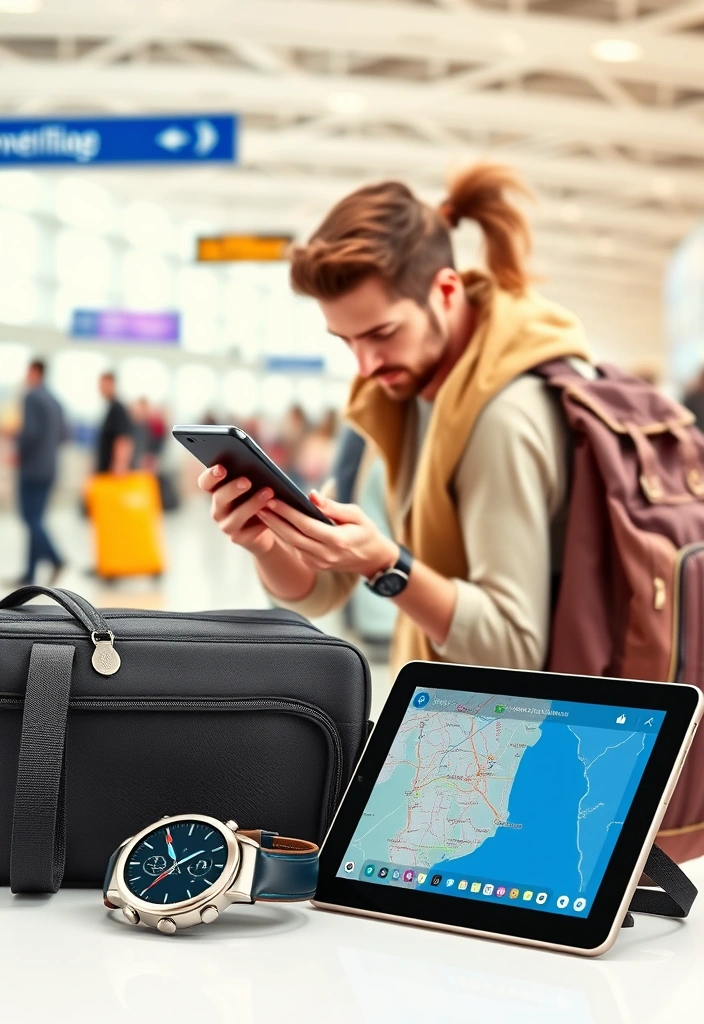
In today’s world, the right tech can make my trip better. I need a portable charger, a universal power adapter, and a smartphone with a good camera.
Also, a portable Wi-Fi hotspot is useful for staying online, especially when moving between countries.
Must-Have Travel Accessories
Travel accessories can make my trip more comfortable and convenient. I need a comfortable backpack or luggage, a travel wallet, and packing cubes.
Other essentials are a travel pillow and eye mask for long trips, and a reusable water bottle to cut down on plastic waste.
By choosing what to pack carefully, I can have a more enjoyable and stress-free trip. This way, I can focus on the Europe vacation tips that make my trip unforgettable.
Tips for Traveling Responsibly in Europe
Traveling responsibly in Europe is essential to keep its beauty alive for the future. As I explore this amazing continent, I see how tourism affects local communities and the environment. It’s a big responsibility we all share.
Sustainable Travel Practices
Using sustainable travel practices is key when visiting Europe. This means using less plastic, saving water, and choosing eco-friendly places to stay. Many cities now offer green hotels and green transport, making it simpler to travel sustainably.
Cities like Copenhagen and Amsterdam promote cycling. This not only cuts down on carbon emissions but also lets you see the city from a new angle. It’s a great way to discover hidden spots.
Respecting Local Customs
Respecting local customs and traditions is crucial. Europe’s rich cultures have their own ways of doing things. Learning and respecting these customs can make your trip better.
For example, dressing modestly is important when visiting religious sites. In some places, certain actions or gestures might be seen as rude. Being aware of these differences helps avoid any offense.
Supporting Local Economies
Helping local economies is also important. Eating at local restaurants, shopping at family-owned stores, and using local guides helps the community. It’s a way to give back.
European towns often have markets where artisans sell their crafts. Buying these items supports local artists and gives you a special memory of your trip.
As I keep exploring Europe, I’m inspired by the positive change we can make. By being sustainable, respecting local customs, and supporting local businesses, we can keep this beautiful continent vibrant for the future.
Creating a Flexible Travel Itinerary
Planning a trip to Europe means finding the right mix of planning and spontaneity. A flexible itinerary lets you enjoy your time fully while being open to new experiences. It’s all about embracing the unexpected.
Free Time to Explore
Having free time lets you explore Europe’s hidden spots and soak up the local vibe. This time can lead to unforgettable moments. It’s a chance to discover places you might not have found otherwise.
Prioritizing Must-See Sites
Even with flexibility, it’s important to see the top sights Europe has to offer. From famous landmarks to local food, having a plan ensures you don’t miss out. It’s about capturing the essence of your trip.
Adapting to Changes
Travel plans can change, and being flexible is crucial. Whether it’s bad weather or a change of heart, a flexible itinerary helps you adjust. It makes your European adventure even better.