
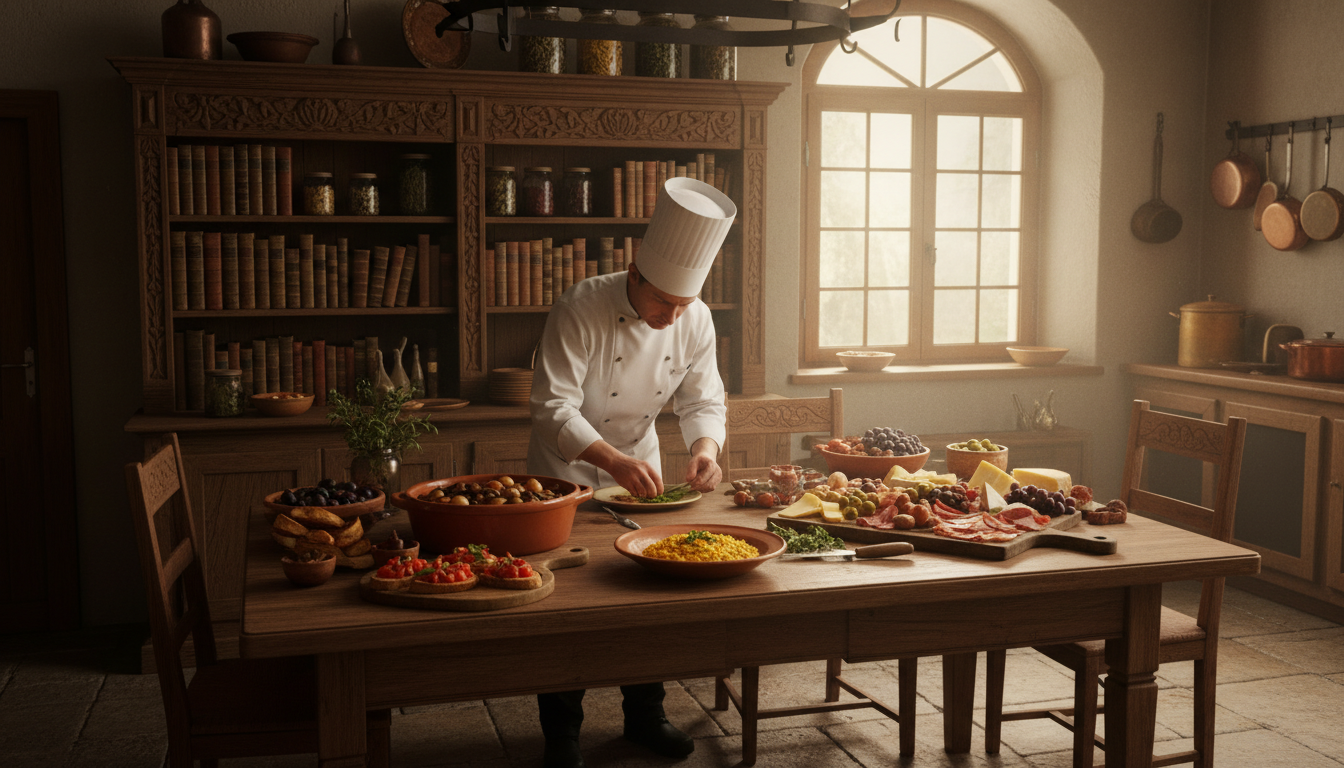
The smell of fresh croissants in Paris or a rich Italian pasta dish can take us back to special times. For many, European cuisine is more than food; it connects us to our heritage and family.
European Food Tradition is filled with history and culture. Each dish has its own story. From the taste of a traditional Sunday roast in the UK to Greece’s intricate pastries, every place has its own unique food.
Exploring these Traditional Food Stories shows how important it is to keep our culinary heritage alive. It’s about sharing love, comfort, and a sense of belonging through food.
The Importance of Traditional Food Stories
Traditional food stories are vital because they connect the past with the present. They are more than just recipes. They tell us about the people, culture, and history behind each dish.
Connecting Generations Through Culinary Heritage
These stories are key in linking generations through food. They offer a glimpse into the past, helping younger people understand their cultural roots. For example, research on longevity and food habits shows the value of traditional eating in older adults.
Preserving cultural identity is crucial. Traditional food stories help achieve this by:
- Passing down recipes from grandparents to grandchildren, keeping family traditions alive.
- Sharing stories of historical events and cultural practices linked to food.
- Teaching cooking techniques that have been passed down through generations.
Food as a Storytelling Medium
Food is a powerful way to tell stories, sharing emotions, memories, and cultural values. Each dish has its own story, from where it came from to the people who made it. For instance, Pasta alla Carbonara is not just a meal. It’s a tale of post-WWII Italy, where ingredients were limited and creativity was essential.
Using food to tell stories has many benefits:
- It keeps historical and cultural stories alive.
- It builds a sense of community and belonging among those who share these tales.
- It offers a real connection to heritage, making cultural identity more tangible.
By embracing traditional food stories, we can keep our cultural heritage alive. This way, future generations can enjoy and learn from these rich stories.
Regional Flavors: A Culinary Journey Across Europe
Europe’s food scene is as varied as its cultures. Each area has its own special tastes and traditions. This variety comes from long-standing cooking practices, shaped by geography, climate, and cultural exchange.
Tasting Italy: Pasta and Pesto Traditions
Italy is famous for its pasta, with many flavors found in its regional dishes. The pesto tradition in Liguria is a great example. Here, basil, garlic, pine nuts, Parmesan, and olive oil mix to make a sauce that’s both simple and rich.
In Italy, making pasta is more than just using ingredients. It’s a tradition passed down through generations. Each region has its own pasta shapes and fillings.
France’s Rich Culinary Landscape
France is known for its top-notch food, with different tastes in each region. From Paris’s haute cuisine to Provence’s rustic dishes, French food shows its diverse cultural roots.
French cooking focuses on local ingredients and traditional ways of cooking. This is what makes French dishes so unique in flavor and aroma.
Exploring Europe’s flavors shows how food is at the heart of its traditions and love for good food. Our journey through Italy, France, and more highlights the rich European Food Tradition. Every meal is a celebration of taste and culture.
The Role of Festivals in Food Traditions
Festivals across Europe show the region’s love for food. They bring people together with traditional dishes. Food is key in these celebrations, showing off cultural heritage.
Celebrating Harvests: A Slice of European Culture
Many European festivals celebrate the harvest. They use local ingredients to make traditional dishes. For example, the Grape Harvest Festival in Tuscany celebrates Italy’s wine culture. The Fête de la Gastronomie in France highlights French cooking.

These festivals are more than harvest celebrations. They are a chance for communities to share stories and recipes. The Tomatina Festival in Spain is famous for tomato-throwing but also has food stalls with local treats.
Community and Tradition: Food in Festivals
Food is central to every European festival. It connects generations and cultures. Festivals like Oktoberfest in Germany and the Feast of San Gennaro in Italy focus on traditional dishes. Sausages and pizza are big hits at these events.
| Festival | Country | Traditional Food |
|---|---|---|
| Oktoberfest | Germany | Sausages, Sauerkraut |
| Feast of San Gennaro | Italy | Pizza, Cannoli |
| Tomatina Festival | Spain | Paella, Gazpacho |
These events strengthen community bonds and keep traditions alive. Exploring European food festivals shows they’re more than just food. They’re about the stories, memories, and communities that come together to celebrate.
Preserving Traditional Recipes
Keeping traditional recipes alive is a mix of respect for the past and looking to the future. For ages, European families have shared their favourite recipes. This is key to keeping their cultural heritage alive.
Handed Down Through Generations
Traditional recipes are more than just lists of ingredients and steps. They tell stories of family, celebrations, and daily life. Passed down through generations, these recipes hold the memories and traditions of European cultures. For example, Italian pasta sauce recipes are about family Sunday lunches, not just ingredients.
Preserving these recipes means more than just writing them down. It’s about capturing the culture and context behind them. This includes understanding the significance of certain ingredients, cooking techniques, and when they were served.
The Influence of Modern Cooking Techniques
Modern cooking methods have changed traditional ways of cooking. Some say they improve traditional recipes, while others think they lose their authenticity. For instance, using modern appliances can make traditional meals easier to prepare. But it can also change the dish’s texture and taste.
Yet, it’s possible to find a balance between old and new. By knowing the basics of traditional cooking and using modern techniques wisely, cooks can make dishes that are both true to their roots and fresh. This mix of old and new keeps European food traditions alive and interesting for new generations.
In the end, preserving traditional recipes is about more than cooking. It’s about keeping cultural traditions alive and sharing them with the future. By combining tradition and innovation, we can make sure European food culture stays vibrant.
Local Ingredients: The Heart of Traditional Dishes
In European cuisine, local ingredients are key. They’re not just about taste; they’re about sustainability and community. Using local produce shows a deep connection to the land and the seasons.
Seasonal Eating in European Cultures
Seasonal eating is a big part of European food culture. It means eating fresh, local produce. This supports local farmers and cuts down on carbon emissions from long-distance food transport.
Alain Ducasse, a famous French chef, said, “Cooking is not just about ingredients, it’s about technique and product.” This idea is seen in many European restaurants’ seasonal menus.
“The changing of the seasons is reflected in the changing of the menu, a culinary journey that takes you through the year, one dish at a time.”
Sustainability in Traditional Cooking
Sustainability is central to traditional European cooking. It uses local, seasonal ingredients and techniques that reduce waste. For example, using every part of an animal or vegetable honors the ingredient and cuts down on waste.
This approach to cooking keeps traditional practices alive while helping the environment. It’s about preserving the past and looking to the future. A recent report showed that sustainable cooking can greatly reduce the food industry’s environmental impact.
For more on sustainable cooking and European food traditions, visit Longevity Times.
Stories Behind Iconic Dishes
From Spain’s sun-kissed fields to Ireland’s green hills, iconic dishes share stories of tradition and heritage. These dishes are more than recipes; they are food stories that carry history, culture, and values. They come from generations past.

The Legend of Paella in Spain
Paella, Spain’s national dish, shows the heart of Spanish cuisine. It comes from Valencia, where farmers and laborers cooked it over an open flame. The story of Paella is tied to the land, with saffron, vegetables, and seafood shaping its taste.
Paella is cooked in a wide pan to get the crispy crust at the bottom, called the socarrat. It’s a dish that brings people together, especially at festivals.
“Paella is not just a meal, it’s an event, a gathering of people, a celebration of life.” – Spanish proverb
The Mystery of Irish Stew
Irish Stew is a comforting dish that’s been around for centuries. Its origins are shrouded in mystery, thanks to its simple yet adaptable recipe. It’s made with lamb or beef, potatoes, onions, and sometimes pearl barley.
- It was often cooked in a cauldron over an open fire, a common practice in Irish households.
- Irish Stew was a meal that brought families together, especially during the harsh winter months.
- The simplicity of the ingredients belies the rich flavor and nourishment the stew provides.
The longevity of Irish Stew as a beloved dish comes from its comfort and adaptability. It suits many tastes and dietary needs.
Exploring these iconic dishes, we learn about European culinary heritage. The stories of Paella and Irish Stew show how food preserves culture and brings communities together.
The Impact of Immigration on Traditional Foods
Immigration has shaped Europe’s diverse culinary traditions. People moving to new countries shared their cooking, ingredients, and recipes. These soon became part of the local food scene.
Blending Cultures: The Birth of Nouvelle Cuisine
The rise of Nouvelle Cuisine in France shows immigration’s impact. This movement, starting in the 1960s, focused on light, fresh cooking. It was influenced by immigrants’ cooking styles.
Immigration has brought new ingredients and cooking methods to Europe. For example, Asian ingredients have changed European dishes. Now, fusion foods are a big part of European cuisine.
Preserving Identity Through Food
Despite changes, many traditional dishes remain the same. They connect us to our past and keep cultural identity alive. Food is key to keeping cultural heritage.
Keeping traditional recipes and methods is more than preserving culture. It’s also celebrating the diversity immigration has brought. So, European food traditions grow, adding new tastes while keeping their heritage.
Traditional Drinks and Their Stories
In Europe’s culinary heart, traditional drinks weave tales of the past. These drinks are more than culture; they are the culture itself. They carry the history, traditions, and values of their regions.
Traditional drinks unite people, creating a sense of community. A glass of wine in France or a pint of beer in Germany is key to their culture. These drinks weave the social fabric of their societies.
Wines of France: A Taste of Terroir
France is famous for its wine, with Bordeaux, Burgundy, and Champagne leading the way. The idea of terroir is at the heart of French winemaking. It’s about the soil, climate, and geography that shape a wine’s taste.
French wines are more than drinks; they showcase the country’s rich farming history and love for quality. From Alsace’s crisp whites to the Rhone Valley’s full-bodied reds, each wine tells a story of the land and its people.
Craft Beer Traditions in Germany
Germany’s brewing history stretches back centuries. The Reinheitsgebot, or Beer Purity Law, from 1589, is a testament to this. It states that only barley, hops, and water can be used in brewing.
This focus on quality has led to a wide variety of craft beers. Enjoyed globally, German beers range from malty lagers to hoppy ales. They reflect the country’s brewing tradition and innovative spirit.
Exploring traditional European drinks reveals their importance. These drinks are not just something to drink; they are a vital part of the continent’s culture. They reflect the values, traditions, and stories of those who create them.
Cooking Methods: Tradition Meets Technique
European traditional cooking methods give us a peek into the continent’s food history. The way food is cooked shapes the European Food Tradition. From Ireland’s hearty stews to France’s fancy dishes, cooking techniques have evolved over time. This evolution has created the diverse culinary scene we enjoy today.

The Art of Fermentation in Eastern Europe
Fermentation is a cooking method used for centuries in Eastern Europe. It preserves food and boosts its flavor. Foods like sauerkraut, kimchi, and kefir are made this way. They add depth to dishes and are good for our health because of probiotics.
In Poland and Russia, fermented foods are common. They’re often served with meals to add a tangy taste. This shows how traditional cooks used to make the most of seasonal produce, keeping food fresh all year.
Wood-Fired Ovens: A Taste of Authenticity
Wood-fired ovens are becoming popular again. These ovens, made from brick or stone, use wood to heat up. This gives food a smoky flavor. The high heat cooks food quickly, keeping it moist and flavorful.
In the Mediterranean, wood-fired ovens have cooked pizzas, bread, and veggies for generations. The unique taste they produce is a big part of the Taste Food experience. It reminds us of outdoor cooking and family gatherings.
The Language of Food: Culinary Terms Across Europe
The way we talk about food in Europe is truly fascinating. It shows the history and culture of the continent. Culinary terms are like storytellers, sharing the essence of traditional dishes and cooking methods.
Understanding Regional Dialects of Food
European cuisine is rich with regional dialects, each with its own special words. For example, “bouillabaisse” in France is a fish stew from Marseille. In Italy, “risotto alla Milanese” is a dish with saffron risotto and ossobuco.
These dialects add flavor to our food talk. They also give us a peek into the culture and history of each dish. Food lovers at Longevity Times say knowing these dialects makes enjoying European cuisine even better.
“Food is everything we are. It’s an extension of nationalist feeling, ethnic feeling, your personal history, your province, your region, your tribe.” – Anthony Bourdain
Words That Tell Stories: The Importance of Language
The words we use in European cuisine are more than labels. They keep the stories and traditions alive. For instance, “paella” in Spanish cuisine is not just a name. It’s a cooking method and a cultural symbol from Valencia.
The language of food is key to preserving cultural heritage. As people move and share their food traditions, they enrich global cuisine. This exchange makes food culture more diverse and interesting.
In summary, the language of food in Europe is vibrant and essential to its culinary identity. By exploring regional dialects and culinary terms, we learn more about the stories and traditions behind European dishes. This makes European cuisine rich and diverse.
Food and Memory: Personal Anecdotes
For many, the smell of a traditional dish brings back memories of family gatherings and festive celebrations. The connection between food and memory is deep. Flavors and aromas of traditional cuisine often bring back powerful memories.
Cherished Moments from Family Dinners
Family dinners are key in European food traditions. They bring back cherished memories through the taste of home-cooked meals. Recipes for traditional dishes are often passed down through generations. Each cook adds their own twist, making the meal special.
The traditional Italian Sunday lunch, with pasta, sauce, and a roast, is a time for families to come together. They share stories and laughter. These moments are not just about the food. They are about the warmth and love in preparing the meal.
Food as a Vessel for Nostalgia
Nostalgia is a mix of sadness and happiness, and food often triggers it. The smell of freshly baked bread might remind someone of their childhood. The taste of a traditional dessert can take them back to family celebrations.
| Dish | Memory | Emotion |
|---|---|---|
| Traditional Paella | Family gatherings on special occasions | Joy, togetherness |
| Homemade Pasta | Sunday lunches with grandparents | Nostalgia, warmth |
| Apple Strudel | Christmas celebrations | Happiness, festivity |
These stories show how important food is in our lives. It’s not just for eating. It connects us to our past, our heritage, and our cultural identity.
The Future of Traditional Food Stories
Looking ahead, traditional European food stories are key to our culinary identity. The challenge is to keep these stories alive while appealing to today’s tastes.
Reviving Tradition with a Modern Twist
It’s important to update traditional recipes for today’s tastes. By using new cooking methods and ingredients, old dishes can be made new again. This mix of old and new keeps European food traditions exciting and alive.
Technology: A Guardian of Culinary Heritage
Technology is now crucial in saving Food Stories. Digital platforms help share traditional recipes and cooking methods. Sites like longevitimes.com show how tech protects our culinary heritage, ensuring these stories are shared for generations.
By combining tradition and innovation, we can keep European food stories vibrant and relevant for the future.
FAQ
Q: What is the significance of traditional food stories in European culture?
A: Traditional food stories are key to connecting families across generations. They help keep cultural heritage alive. They are a way to share stories and memories through food.
Q: How do regional flavors contribute to European culinary heritage?
A: Regional flavors in Europe, like Italy’s pasta and pesto, show the continent’s rich culinary history. They highlight the importance of local ingredients and traditional cooking methods.
Q: What role do festivals play in preserving food traditions?
A: Festivals celebrating harvests and traditional food bring people together. They help keep cultural heritage alive. They also show the importance of local ingredients and seasonal eating.
Q: How can traditional recipes be preserved for future generations?
A: To keep traditional recipes alive, we must keep culinary traditions going. We should adapt to new cooking methods but use local ingredients. This way, we ensure these recipes are passed down to future generations.
Q: What is the impact of immigration on traditional European foods?
A: Immigration has made European cuisine richer by blending cultures. It has given rise to new cuisines, like nouvelle cuisine. It also helps preserve identity through food and keeps traditional cooking methods alive.
Q: How do traditional cooking methods intersect with modern techniques?
A: Traditional cooking methods, like fermentation and wood-fired ovens, are still used today. They have been adapted to modern techniques. This ensures these culinary traditions continue.
Q: What is the significance of local ingredients in traditional European cuisine?
A: Local ingredients are at the heart of traditional European dishes. They emphasize the importance of seasonal eating and sustainable cooking. This contributes to the continent’s rich culinary heritage.
Q: How can technology help preserve traditional food stories?
A: Technology is crucial in saving traditional food stories. It helps document recipes, cooking methods, and cultural heritage. This ensures these culinary traditions are kept alive for future generations.
Q: How can traditional recipes be adapted for modern palates?
A: Adapting traditional recipes for today’s tastes requires a balance. We must keep the cultural essence while adding modern flavors and techniques. This makes these recipes appealing to new generations.
Q: What is the connection between food and memory?
A: Food is deeply connected to memory. Traditional cuisine and family dinners bring back nostalgia and cherished memories. This shows how food acts as a vessel for nostalgia and cultural heritage.
Q: How do European food traditions contribute to cultural identity?
A: European food traditions are essential to cultural identity. They reflect the history, values, and customs of different communities. They play a big role in shaping their cultural heritage and European Food Tradition.

Manuale Creativo per Fotografi Ribelli
40 idee per riscattare il tuo sguardo fotografico. Un libro di Massimo Usai per chi vuole guardare il mondo con occhi nuovi.
Acquista su Amazon In qualità di Affiliato Amazon ricevo un guadagno dagli acquisti idonei.Scopri di più da
Abbonati per ricevere gli ultimi articoli inviati alla tua e-mail.


