
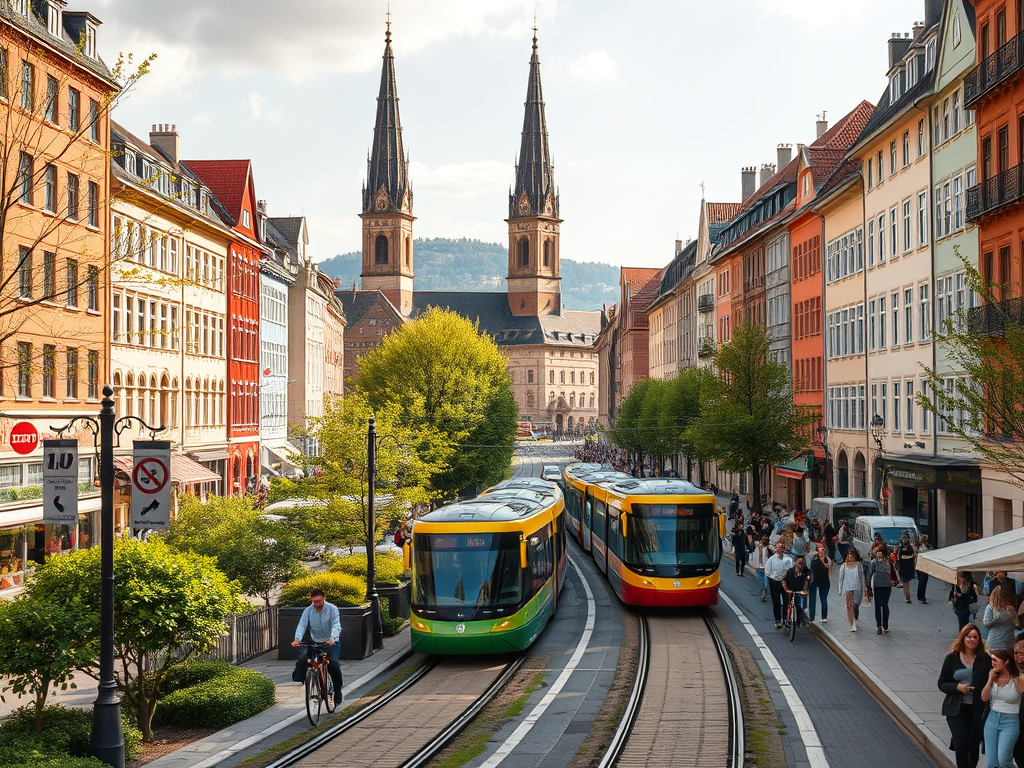
What makes a city happy? Is it clean air, green parks, good governance, or a sense of community? In 2025, the answer may be: all of the above. This article explores the 5 happiest cities that exemplify these qualities.
This year, the Institute for the Quality of Life unveiled its eagerly awaited Happy City Index 2025, ranking over 250 global cities across 82 indicators in six major categories: Citizens, Governance, Environment, Economy, Health, and Mobility. These indicators offer a comprehensive snapshot of urban happiness and livability.
At the top of the list are five standout cities—each offering unique strengths in sustainability, infrastructure, and quality of life. But the Index also highlights interesting trends, especially in how Italian cities like Milan and Turin are beginning to close the gap with global leaders.
What is the Happy City Index?
The Happy City Index is an international benchmarking tool used by governments, planners, and citizens to evaluate how well a city supports the well-being of its inhabitants. It considers everything from urban safety, clean energy, and social cohesion, to mental health support, public transport, and access to culture.
While no single city claims the title of the absolute “happiest,” the five highest-scoring ones have earned a place in the prestigious Gold Cities list. These cities exemplify the future of urban living, combining progressive policy with human-centered design.

🥇 1. Copenhagen, Denmark – Where Sustainability Meets Daily Joy
Total Score: 1039
It’s no surprise that Copenhagen tops the chart in 2025. The Danish capital excels in the Environment and Economycategories, making it one of the most balanced and livable cities worldwide.
Nearly one-third of residents cycle daily, using an extensive network of bike lanes that stretch across the city. A reliable and punctual metro system complements the cycling culture, giving residents fast, eco-friendly transport options.
If you’re visiting, don’t miss:
- A scenic bike ride across the Hans Christian Andersen Bridge
- A trip on the harbor water buses to reach Reffen, Northern Europe’s largest street food market
- Free public events like open-air concerts, exhibitions, and nighttime museum tours
Copenhagen proves that a green economy can go hand-in-hand with community well-being.

🥈 2. Zurich, Switzerland – A Masterclass in Governance and Order
Total Score: 993
In Zurich, life just works. The Swiss city shines in Governance and Citizens categories, highlighting its exceptional civic engagement, transparency, and efficiency. It’s also a haven for families, offering safe streets, clean public spaces, and reliable transport.
Unique features that support well-being:
- Over 1,200 public fountains with clean drinking water
- Public bathhouses like Frauenbad Stadthausquai
- World-class institutions such as Kunsthaus Zürich
Zurich’s mix of natural beauty and civic responsibility makes it one of the world’s most peaceful and satisfying places to live.

🥉 3. Singapore – Smart, Safe, and Seamlessly Multicultural
Total Score: 979
Singapore ranks high in Health and Governance, reflecting its proactive investment in public infrastructure, housing, and urban greenery.
Pioneering policies include:
- Public housing initiatives that stabilize living costs
- Advanced healthcare and early mental wellness programs
- Exceptional cleanliness, safety, and multicultural integration
Explore the local vibe by visiting:
- Tiong Bahru, a neighborhood blending old-school charm with hip cafes
- The Singapore Botanic Gardens, a UNESCO World Heritage site
- Hawker centers, where you can savor dishes from across Asia
Few cities blend business and leisure, tradition and innovation, as effectively as Singapore.

🏙️ 4. Aarhus, Denmark – Big City Energy with a Small-Town Soul
Total Score: 958
Back in Denmark, Aarhus offers the ideal combination of modern infrastructure and community warmth. Residents report high levels of trust, safety, and public participation, especially in sustainable practices like district heating systems and urban farming.
Local experiences that enhance quality of life:
- Swimming at harbor baths in spring and summer
- Early morning walks on the Infinite Bridge, a circular pier that blends art with nature
- Picnics in Botanical Gardens or Marselisborg Forest
Aarhus shows that small cities can lead the way in urban innovation and emotional connection.

🧭 5. Antwerp, Belgium – Compact, Efficient, and Family-Friendly
Total Score: 956
Antwerp earns its fifth-place spot thanks to sustainable transport, livability, and a human-centered urban plan. With excellent cycling infrastructure, progressive family policies, and a compact layout, it’s a city where nothing feels out of reach.
Don’t miss:
- Riverside parks ideal for a jog or a picnic
- A stroll through Zuid, the city’s art district
- Weekend visits to Museum aan de Stroom (MAS) and independent bookstores
Antwerp’s fusion of urban ease and cultural depth makes it a rising star among European happy cities.
🇮🇹 Where Do Italian Cities Stand in 2025?
While no Italian city makes the top 10, Milan leads the national pack with a global rank of 25 and a score of 856 points. The city shines in the Governance category, showing notable progress in digital public services, transport reform, and citizen participation.
Key highlights for Milan:
- Expanded green tram routes
- Open data platforms and citizen apps
- Strong performance in economic opportunity
Turin also scores high in the Governance sub-ranking, placing 11th globally in that category. The city’s push for transparency, civic tech, and urban regeneration is earning it attention across Europe.
Other cities like Bologna, Trento, and Padua—well-known for quality of life and education—did not break into the global top 30, but they remain national leaders in categories such as Environment and Health.
🌱 What Makes a Happy City in 2025?
Across all the top cities, a few themes stand out:
- Sustainability: All five leading cities prioritize eco-friendly policies, from cycling to clean energy and green spaces.
- Public Participation: Effective governance and citizen engagement are fundamental.
- Accessible Healthcare: Mental health support, universal coverage, and preventative care boost well-being.
- Urban Design: Human-centered public spaces encourage social interaction, exercise, and creativity.
- Mobility: Fast, affordable, and clean public transport systems reduce stress and pollution.
🌍 What Can Italy Learn from the Top 5?
If cities like Rome, Naples, and Florence aim to climb future Happy City rankings, they may need to:
- Invest more in smart governance and digital access
- Expand affordable housing options
- Improve urban mobility systems
- Elevate green infrastructure in historical districts
Learning from cities like Copenhagen, Zurich, and Singapore could be key to creating Italian urban centers where well-being is the core mission.
Final Thoughts
Whether you’re biking through Copenhagen, enjoying lake views in Zurich, savoring hawker food in Singapore, diving into Aarhus’s public baths, or strolling Antwerp’s riverside parks—these cities are leading the charge into a new era of urban happiness.
And while Italian cities may not be at the very top yet, their momentum is growing. With cities like Milan and Turinshowing the way, the next chapter of Italian urban happiness might already be underway.

Manuale Creativo per Fotografi Ribelli
40 idee per riscattare il tuo sguardo fotografico. Un libro di Massimo Usai per chi vuole guardare il mondo con occhi nuovi.
Acquista su Amazon In qualità di Affiliato Amazon ricevo un guadagno dagli acquisti idonei.Scopri di più da
Abbonati per ricevere gli ultimi articoli inviati alla tua e-mail.


