
by Patrizia Riello Pera, Padua, Italy
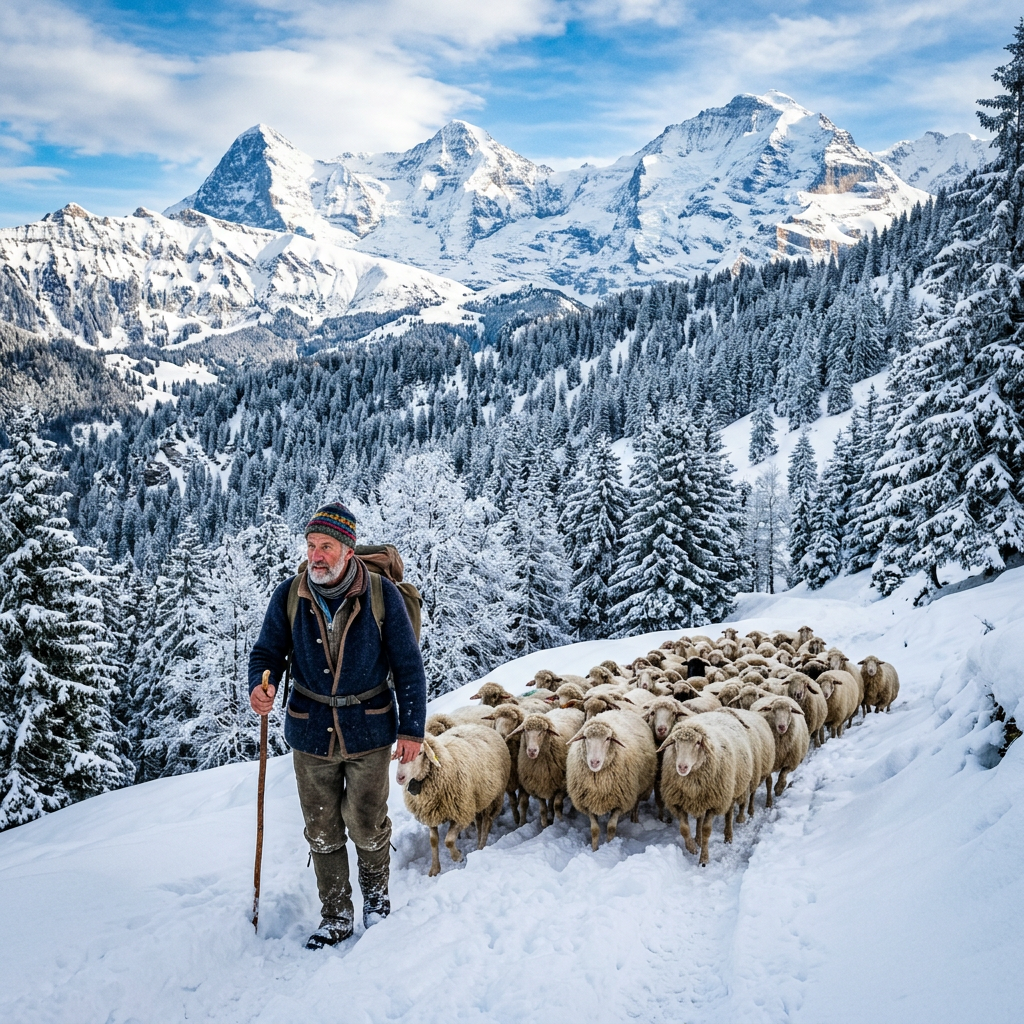
In 1979, the Campiello Prize was awarded to Mario Rigoni Stern for Storia di Tönle (The Story of Tönle), a novel of great, extraordinary, moving, and enduring narrative and civic power, an absolute masterpiece of ethical clarity, formal rigor, and anthropological depth that definitively consecrated the author from Asiago as one of the highest, most necessary, lucid, coherent, and beloved witnesses of contemporary Italian literature and of the historical memory of the twentieth century. The work is admirably, jealously, and painfully set on the Asiago Plateau, a land of geographical, linguistic, and political borderlands that reveals itself as harsh, proud, solemn, wooded, and beautiful: a true landscape of the soul, wounded by the bloody traumas of history and the silent guardian of a collective memory that risked being definitively erased by the oblivion of time and by modernity. The protagonist, the shepherd, farmer, herbalist, and smuggler Tönle Bintar, passes with ancient, Homeric, and resigned dignity through tragic, turbulent, epoch-making, and incredibly difficult times, marked inexorably by the apocalyptic drama of the First World War, by the final collapse of the centuries-old Austro-Hungarian Empire, and by radical, sudden geopolitical changes that violently overwhelm the artificial borders of states and the very existence of Alpine populations. Rigoni Stern builds, with artisanal wisdom, almost as though chiseling the stone of his mountains, an essential, spare, lucid, geometric narrative, stripped of ornament and almost Franciscan in its verbal nakedness, yet at the same time profoundly evocative, lyrical, magnetic, epic, and capable of releasing an immense, unexpected emotional and poetic intensity from every chosen word and from every skillful, dense silence that punctuates the pages of the text. In honoring this novel, the Campiello Prize made a choice of immense cultural and civic value, recognizing an authentic, pure, honest form of writing, free from any rhetorical artifice, salon fashions, sterile intellectualism, or academic self-indulgence, intimately, viscerally, and indissolubly rooted in the biological rhythms of untamed nature, in the perpetual changing of the seasons, in the silence of the larch forests, and in the often painful, unjust, and destructive flow of great human history as it tramples upon small destinies. The novel recounts, with extraordinary and unprecedented anthropological sensitivity, the crucial theme of personal identity, the defense of individual freedom against the oppression of state bureaucracies, unjust taxes, and armed frontiers, while celebrating the deep, ancestral, and biological sense of belonging to a motherland, moving with naturalness, tolerance, wisdom, and profound empathy among different cultures, languages, traditions, and empires that the ideological madness of men and nations tragically drives into collision in the trenches. Memory—understood not as sterile or passive nostalgia for the past, but as an absolute moral duty, as heartfelt civic testimony against the horror of war, and as an indissoluble biological, cultural, and spiritual bond among past, present, and future generations—becomes the central element, the beating heart, the backbone, and the unmoving engine of the novel’s entire monumental narrative architecture. Rigoni Stern offers readers a clear, firm, powerful voice, free of patriotic rhetoric, immune to hatred, and profoundly steeped in a universal and planetary humanism, capable of transforming the small, intimate, and apparently marginal story of an old mountain farmer into a grand, solemn, and universal epic of the resilience of the human spirit in the face of the material and moral devastation of total war. The prestigious, historic, and authoritative Venetian award thus recognized, exalted, and definitively consecrated one of the highest, purest, noblest, clearest, and most enduring expressions of twentieth-century Italian narrative, offering future generations a timeless philosophical meditation on the sacredness of elemental life, on the profound, ecological, almost religious respect owed to the earth, trees, and animals, on the necessary brotherhood beyond the artificial borders of homelands, and on the unfading, proud, incorruptible, and peaceful dignity of the human being who is authentically and fiercely free before his own destiny.
PATRIZIA RIELLO PERA – SCRITTRICE E DISEGNATRICE

Manuale Creativo per Fotografi Ribelli
40 idee per riscattare il tuo sguardo fotografico. Un libro di Massimo Usai per chi vuole guardare il mondo con occhi nuovi.
Acquista su Amazon In qualità di Affiliato Amazon ricevo un guadagno dagli acquisti idonei.Scopri di più da Urban Mood Magazine
Abbonati per ricevere gli ultimi articoli inviati alla tua e-mail.


