Table of Contents
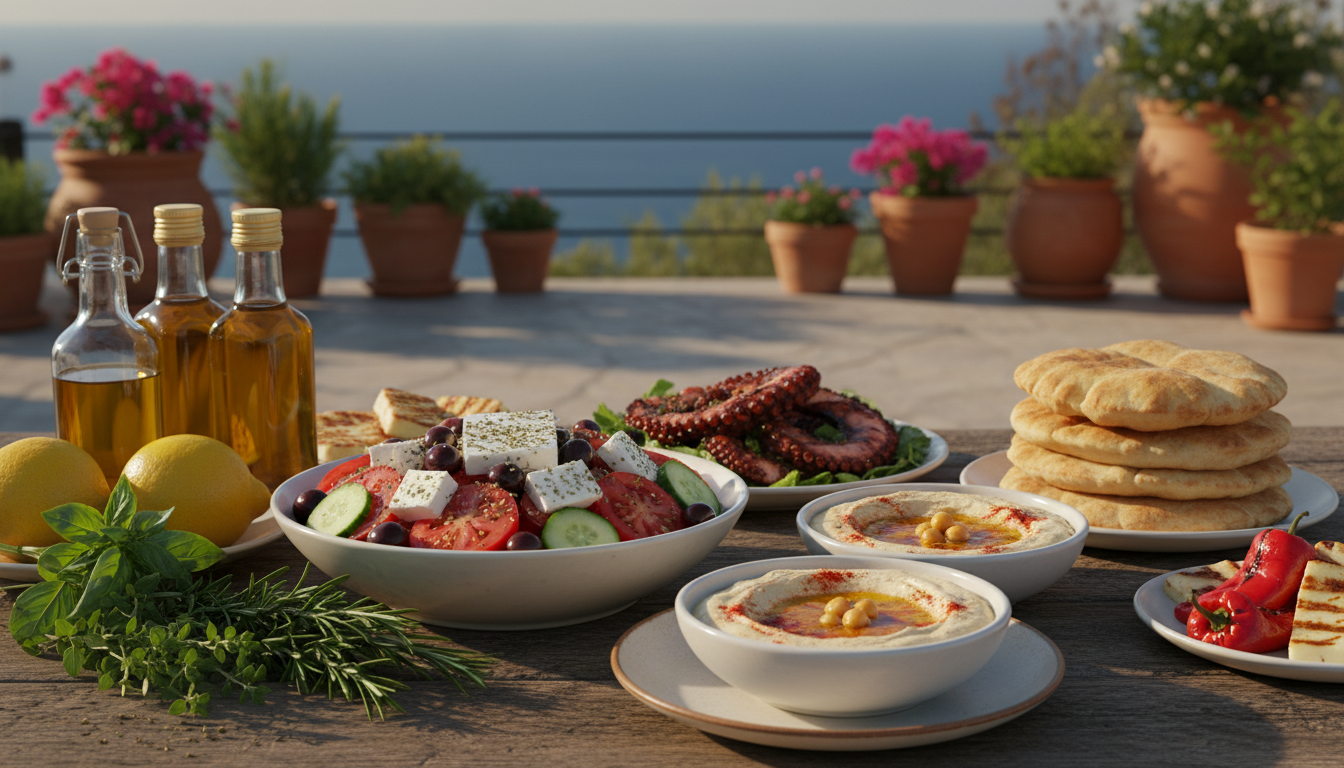
Imagine walking through a lively Greek market. You’re surrounded by colourful veggies, juicy fruits, and the smell of fresh bread. This experience is key to a diet that’s getting a lot of attention lately.
Recent studies have changed how we see cooking fats in this diet. They’ve challenged some old beliefs.
The traditional diets of Mediterranean countries are known for their health benefits. As we look at the modern interpretation of this diet, we’ll see how it’s changed. We’ll also learn what it means for those following it today.
We’ll look at the latest research to clear up myths. This will give us a better understanding of this popular diet.
Understanding the Mediterranean Diet Essence
The Mediterranean diet is more than food; it’s a way of life. It comes from the rich culinary traditions of the Mediterranean. It’s known worldwide for its health benefits and eco-friendly eating.
Key Ingredients of the Mediterranean Diet
The diet focuses on whole grains, fruits, vegetables, and healthy fats, especially olive oil. These foods are the diet’s core, offering vital nutrients and health perks.
Nutrient-rich foods are key in the Mediterranean diet. It encourages eating a variety of foods in their natural form. This includes:
- Fresh fruits and vegetables
- Whole grains like barley, quinoa, and brown rice
- Legumes, including lentils and chickpeas
- Nuts and seeds
- Healthy fats, primarily from olive oil
The Role of Healthy Fats
Healthy fats are vital in the Mediterranean diet, with olive oil being the main source. Olive oil is rich in monounsaturated fats. These fats help keep the heart healthy by lowering heart disease risk.
“The Mediterranean diet’s emphasis on olive oil and other healthy fats is a key factor in its ability to promote heart health and reduce the risk of chronic diseases.”
Importance of Whole Foods
Whole foods are essential in the Mediterranean diet. They provide vital vitamins, minerals, and fibre. The diet’s focus on whole grains, fruits, and vegetables boosts antioxidant intake.
Adopting the Mediterranean diet means avoiding processed foods and eating more whole, nutrient-rich foods. This not only boosts health but also supports a greener food system.
Historical Roots of the Mediterranean Diet
The Mediterranean diet has become famous worldwide. It has deep roots in the Mediterranean region’s history and culture. This diet is more than a modern choice; it’s a blend of old eating habits and traditions.

Traditional Eating Patterns
In the Mediterranean, people eat a lot of fruits, veggies, whole grains, and healthy fats like olive oil. These habits were influenced by the area’s farming, climate, and geography.
Key components of the traditional Mediterranean diet include lots of plant-based foods, some dairy and fish, and little red meat. This diet is good for health and also helps the planet.
Cultural Influences on Diet
The Mediterranean diet has been shaped by many cultures, like the ancient Greeks, Romans, and Arabs. Each culture added new foods, cooking ways, and eating habits.
Cultural exchange was key in forming the Mediterranean diet. For example, tomatoes from the New World changed Italian cooking, especially in pasta sauces.
Regional Variations and their Significance
Even though the Mediterranean diet shares common traits, it varies a lot by region. This shows the area’s diverse cultures, geography, and climates. For example, Greek, Italian, and Spanish diets differ, each with its own special ingredients and cooking styles.
Knowing these regional variations helps us see the Mediterranean diet’s complexity and richness. It also shows how the diet can adapt to different cultures and environments.
When we look at the Mediterranean diet today, we must remember its historical and cultural background. This knowledge helps us value the diet more and make it fit our modern lives while keeping its main benefits.
Health Benefits Supported by Research
The Mediterranean Diet has been studied a lot for its health benefits. A lot of evidence shows it helps improve health and lower disease risk.
Weight Management and the Mediterranean Diet
The Mediterranean Diet is great for managing weight. Studies show it helps people control their weight better than other diets.
Key findings include:
- It helps eat fewer calories because of foods like fruits, vegetables, and whole grains.
- It also improves metabolic health, helping burn fat more efficiently.
| Dietary Component | Effect on Weight Management |
|---|---|
| High intake of fruits and vegetables | Promotes satiety and reduces calorie intake |
| Whole grains | Contributes to feeling fuller for longer |
| Healthy fats (e.g., olive oil, nuts) | Supports metabolic health and satiety |
Heart Health and Reduced Risk of Disease
The Mediterranean Diet is famous for its heart health benefits. It lowers heart disease risk by improving lipid profiles and blood pressure.
Research highlights:
- It lowers LDL cholesterol thanks to monounsaturated fats.
- Antioxidant-rich foods like fruits, vegetables, and nuts reduce inflammation.
Cognitive Benefits of a Mediterranean Lifestyle
Following a Mediterranean Diet can improve brain health. It may lower dementia risk and boost cognitive function.
Cognitive benefits may include:
- Neuroprotective effects from antioxidants and healthy fats.
- Less inflammation, which slows cognitive decline.
Adding the Mediterranean Diet to your life can bring these brain benefits along with better health.
Modern Twists on Classic Dishes
The Mediterranean Diet is always changing, keeping up with new tastes while staying true to its roots. As food trends shift, old Mediterranean recipes are getting a fresh makeover. They now use new ingredients and cooking styles.
According to
“The beauty of the Mediterranean Diet lies in its flexibility and the ability to innovate while staying true to its roots.” –
, modern takes on classic dishes show how tastes are evolving. They also keep the cuisine lively and up-to-date.
Recipes that Retain Authenticity
Modern Mediterranean recipes often mix in new ingredients and cooking ways. For example, Bruschetta, a traditional Italian dish, now features fresh tomatoes and basil.
The classic Greek salad has also seen changes. It now includes pickled red onions and roasted chickpeas. These additions boost the taste and health benefits.
Fusion Cuisine: Blending Tradition with Innovation
Fusion cuisine combines traditional Mediterranean tastes with global ingredients and methods. This mix not only refreshes old dishes but also introduces the Mediterranean Diet to more people.
- Incorporating Asian spices into traditional Mediterranean recipes.
- Using modern cooking techniques like sous vide to enhance the texture and flavor of classic dishes.
- Blending Mediterranean ingredients with Latin American cuisine for a fresh twist.
By mixing tradition with innovation, the Mediterranean Diet stays vibrant. It offers a culinary journey that’s both comforting and excitingly new.
Adapting the Diet to American Eating Habits
Adopting the Mediterranean diet in America means making smart food choices. It’s about eating fruits, vegetables, whole grains, and healthy fats. You can adapt it by focusing on local produce and finding Mediterranean options in fast food.
Incorporating Seasonal and Local Produce
The Mediterranean diet emphasizes fresh, seasonal foods. Choosing in-season fruits and veggies ensures freshness and supports local farmers. This not only boosts meal flavour and nutrition but also helps the environment.
Benefits of Seasonal Produce:
- Enhanced flavour and nutritional value
- Support for local farmers and the local economy
- Reduced carbon footprint due to lower transportation needs
Visiting farmers’ markets or joining a CSA program is a great way to get seasonal produce. Many cities also have stores that focus on local products, making it easy to find what you need.
Finding Mediterranean Options in Fast-Casual Dining
Eating out is common, but you can still follow the Mediterranean diet. Many restaurants offer salads, grilled meats, and veggie dishes that fit the diet.
| Fast-Casual Chain | Mediterranean-Style Options |
|---|---|
| Chipotle | Grilled chicken or steak with brown rice, black beans, and vegetables |
| Panera Bread | Greek salad with grilled chicken, or a Mediterranean Veggie Sandwich |
| Jason’s Deli | Chicken or vegetable salad with a side of whole grain bread |
Customize your meal by choosing whole grains, lots of veggies, and lean proteins. Watch portion sizes and avoid high-calorie sauces or dressings. This keeps your meal in line with the Mediterranean diet.
By making smart choices and knowing what’s in your food, you can enjoy eating out while following the Mediterranean diet.
Practical Tips for Beginners
Starting the Mediterranean diet can seem daunting. But, it’s easier than you think. With a few simple steps, you can enjoy a healthier diet.
Creating a Mediterranean Pantry
First, stock your pantry with the right foods. Choose whole grains like brown rice and quinoa. Also, get canned beans, lentils, and nuts.
- Olive oil as the primary source of fat
- Canned tomatoes and vegetables
- Herbs and spices for flavor instead of salt
- Whole grain cereals and bread
Having these items ready makes cooking easier. For instance, a simple salad can be made with canned beans and olive oil.
| Pantry Staple | Usage in Mediterranean Diet |
|---|---|
| Olive Oil | Used for cooking and dressings |
| Canned Beans | Added to salads, stews, and soups |
| Whole Grains | Base for meals, such as pasta dishes and salads |
Meal Prep Ideas for Busy Lifestyles
Even with a busy schedule, you can stick to the Mediterranean diet. Meal preparation is key. Prepare meals in advance for easy reheating or on-the-go eating.
- Grilled chicken or fish with roasted vegetables
- Quinoa or brown rice bowls with various toppings
- Lentil soup with whole-grain bread
For a quick, healthy meal, mix pre-cooked lentils with chopped veggies and olive oil. This meal is nutritious and fits the Mediterranean diet’s focus on plants.

By following these tips, you can easily adopt the Mediterranean diet. It’s a flexible, tasty way to boost your health, whether you’re a seasoned cook or new to the kitchen.
Sustainability and the Mediterranean Lifestyle
The Mediterranean diet focuses on local ingredients and plant-based foods. This not only improves our health but also helps the environment.
Emphasising Plant-Based Foods
The Mediterranean diet is famous for its fruits, vegetables, whole grains, and legumes. These foods are full of nutrients and are better for the planet than animal products. Eating seasonal, local produce cuts down on carbon emissions and adds variety to our meals.
Nutritional Benefits of these foods include lots of fibre, vitamins, and antioxidants. They help keep our hearts healthy and lower the risk of serious diseases.
| Food Group | Nutritional Benefits | Environmental Impact |
|---|---|---|
| Fruits and Vegetables | Rich in vitamins, minerals, and antioxidants | Low carbon footprint, supports local farming |
| Whole Grains | High in fibre, supports heart health | Generally low environmental impact |
| Legumes | Excellent source of protein, fibre, and minerals | Low water usage, promotes soil health |
Eco-Friendly Seafood Choices
The Mediterranean diet also includes seafood, but it’s mostly plant-based. Choosing eco-friendly seafood is key to protecting marine life. Look for seafood with the Marine Stewardship Council (MSC) label, which means it’s caught or farmed responsibly.
By picking sustainable seafood and supporting local fishing, we can enjoy its health benefits while helping our oceans. The Mediterranean diet shows us how to eat well and care for our planet.
Incorporating Physical Activity
Physical activity is a key part of the Mediterranean lifestyle. It works well with the diet to boost health. Exercise helps with weight, heart health, and brain function.

The Synergy of Diet and Exercise
The Mediterranean diet is known for its health perks. Adding exercise makes these benefits even stronger. Exercise burns calories, builds muscle, and improves heart health.
This mix is crucial for a healthy weight, lower disease risk, and better well-being.
Key Benefits of Combining Diet and Exercise:
- Enhanced weight management
- Improved cardiovascular health
- Increased muscle strength and endurance
- Better mental health and mood
- Reduced risk of chronic diseases
Recommended Exercises and Activities
Adding different exercises to your routine keeps it fun. The Mediterranean lifestyle supports a variety of activities for all fitness levels.
Recommended Activities:
- Brisk walking or hiking
- Swimming or water aerobics
- Cycling or stationary cycling
- Yoga or Pilates for flexibility and strength
- Dancing or other fun physical activities
Beginners should start with short, easy sessions. Gradually increase the time and effort. Adding activity to daily life, like walking to work, is also good.
Combining diet and exercise from the Mediterranean lifestyle greatly improves health. As shown on longevitimes.com, a holistic approach to health is essential for the diet’s full benefits.
Mediterranean Diet for Families
Adapting the Mediterranean diet for families can be rewarding. It helps children love nutritious food. This diet is good for both kids and adults, supporting healthy growth.
Kid-Friendly Meals with Mediterranean Flair
Making Mediterranean meals fun for your family is easy. Start with simple dishes like pasta with tomato sauce, grilled chicken or fish, and roasted veggies. These meals are tasty and full of nutrients.
For little ones, try mini Mediterranean pizzas on whole-wheat pita with tomato sauce and mozzarella. Let them pick toppings to make cooking fun and educational.
Teaching Children Healthy Eating Habits
Teaching kids about healthy eating is key. The Mediterranean diet is perfect for this, focusing on whole foods, fruits, veggies, and grains. Lead by example and get your kids involved in meal planning and cooking.
- Encourage kids to try new foods, especially fruits and veggies.
- Let them help pick out fresh produce at the grocery store.
- Make mealtime a positive, TV-free experience.
By following the Mediterranean diet, families can enjoy a balanced, nutritious way of eating. For more healthy eating tips, visit Longevity Times.
Incorporating Physical Activity
To get the most from the Mediterranean diet, mixing it with exercise is key. The Mediterranean Diet is more than food; it’s a way of life that values being active.
Exercise boosts health and cuts down disease risks. It’s about finding what works for you, no matter your lifestyle.
Benefits of Combining Diet and Exercise
Mixing the Mediterranean diet with exercise brings many benefits. It improves heart health, helps with weight, and boosts mood. This mix is crucial for a healthier life.
- Improved cardiovascular health
- Effective weight management
- Enhanced mental health and mood
Recommended Exercises and Activities
Adding different activities to your day can be fun and good for you. Walking, cycling, and swimming are great choices.
- Brisk walking or hiking
- Cycling or using a stationary bike
- Swimming or water aerobics
For structured workouts, try fitness classes or videos at home. They help keep you on track.
Embracing the Diet Today means focusing on health in all ways. Regular exercise helps you enjoy the Mediterranean lifestyle fully.
For more tips on staying healthy, check out Longevity Times.
Conclusion: Embrace the Mediterranean Way of Life
Starting the Mediterranean lifestyle needs dedication and motivation. This diet and way of living bring many benefits. These include better health and a greener lifestyle.
Practical Steps for Long-Term Success
To keep up with the Mediterranean Diet, add healthy fats and whole foods to your meals. Use seasonal produce and create a Mediterranean pantry. Meal prep ideas can also keep you on track.
Staying Inspired on Your Journey
Keep inspired by trying new recipes and visiting farmers’ markets. Join the Mediterranean community for support. Websites like https://longevitimes.com offer tips and resources to help you stay motivated.
FAQ
Q: What is the Mediterranean diet, and how does it differ from other diets?
A: The Mediterranean diet focuses on eating lots of fruits, veggies, whole grains, and healthy fats like olive oil. It’s different because it’s all about eating whole foods in variety and moderation. It doesn’t restrict or deprive you.
Q: Is the Mediterranean diet suitable for vegetarians and vegans?
A: Yes, it’s perfect for vegetarians and vegans. It emphasizes plant-based foods, legumes, and nuts. You can easily make it animal-product-free, making it great for plant-based diets.
Q: What are the health benefits of following a Mediterranean diet?
A: It helps with weight management and improves heart health. It also lowers the risk of chronic diseases and boosts brain health. Plus, it’s full of antioxidants and anti-inflammatory compounds.
Q: Can I still enjoy Italian food on the Mediterranean diet?
A: Absolutely! Italian food is a big part of the Mediterranean diet. It’s all about fresh veggies, herbs, olive oil, and whole grains. Just look for traditional Italian recipes that use these ingredients and adapt them to fit your diet.
Q: How can I incorporate the Mediterranean diet into my busy lifestyle?
A: Start by stocking up on Mediterranean staples like olive oil, canned beans, and whole grains. Plan your meals and prep ingredients early to make cooking quicker. You can also find Mediterranean meal prep ideas online.
Q: Is physical activity a necessary component of the Mediterranean lifestyle?
A: Yes, it’s key to the Mediterranean lifestyle. Regular exercise, like walking or cycling, helps you get the most from the diet. It also boosts your overall health and wellbeing.
Q: Can I adapt the Mediterranean diet to suit my family’s tastes and needs?
A: Yes, it’s very flexible. You can change recipes to fit your family’s likes and needs. Getting your kids involved in meal planning and cooking is a great way to teach them about healthy eating.
Q: How can I make sustainable seafood choices on the Mediterranean diet?
A: Choose seafood with the Marine Stewardship Council (MSC) label. Opt for seasonal and local seafood. You can also eat less seafood and try plant-based options.
Q: What are some kid-friendly Mediterranean meals I can try?
A: Try making dishes like hummus and pita, grilled chicken or veg skewers, or pasta with tomato sauce and roasted veggies. Getting your kids involved in cooking makes mealtime fun and engaging.
Q: How can I stay motivated and inspired on my Mediterranean diet journey?
A: Join a community of people who share your diet goals. Explore new recipes and ingredients. Track your progress to stay motivated. Reward yourself with non-food treats, like a relaxing bath or a good book, to celebrate your successes.

Manuale Creativo per Fotografi Ribelli
40 idee per riscattare il tuo sguardo fotografico. Un libro di Massimo Usai per chi vuole guardare il mondo con occhi nuovi.
Acquista su Amazon In qualità di Affiliato Amazon ricevo un guadagno dagli acquisti idonei.Scopri di più da Urban Mood Magazine
Abbonati per ricevere gli ultimi articoli inviati alla tua e-mail.


1 comment
My favorite foods to eat. 🙂