
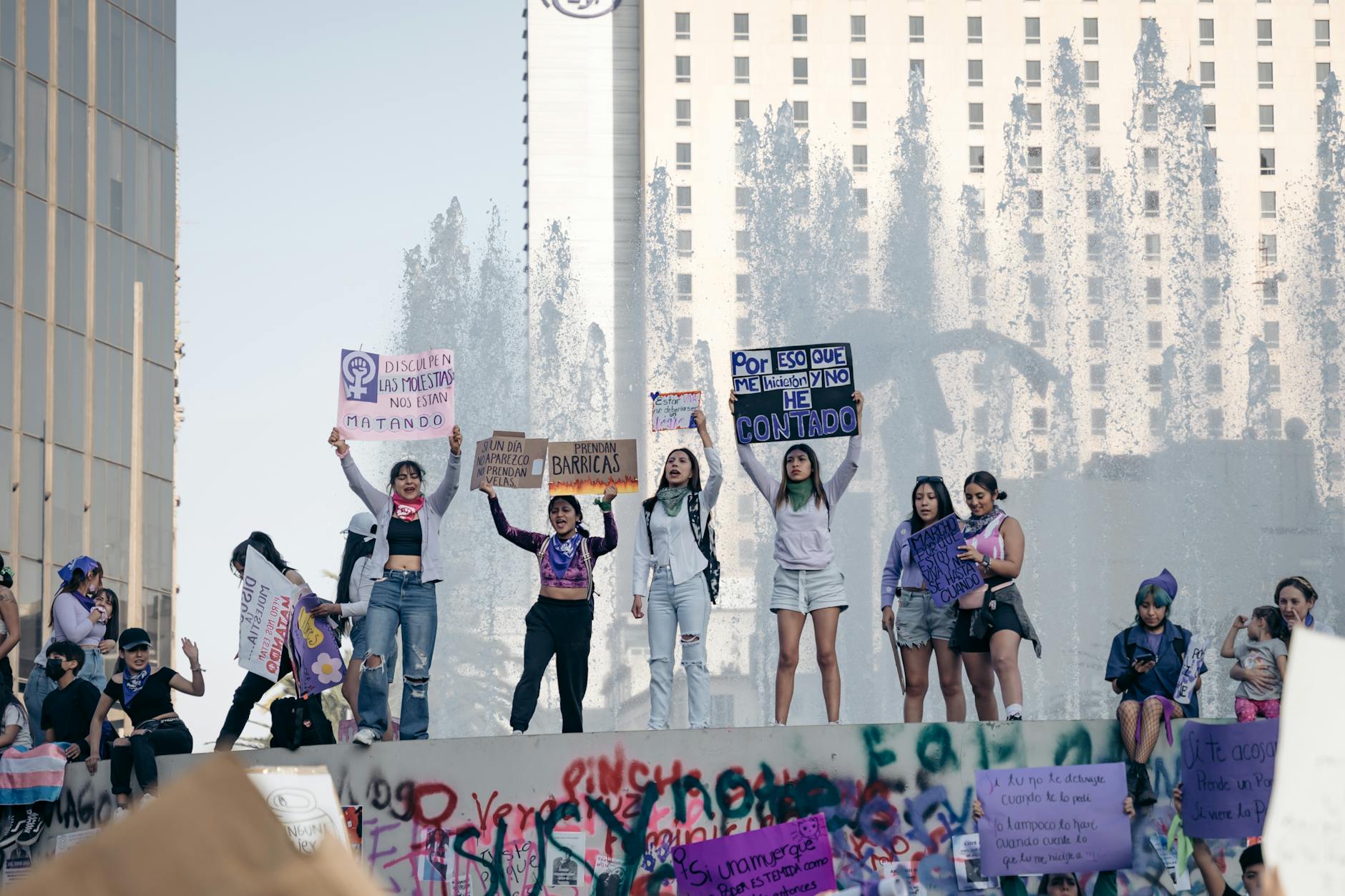
Review: “Invest in Women—Accelerate Progress”
Published on the Official Website of the World Health Organization
As a man, I’m driven by a profound belief in equality. I see International Women’s Day as an opportunity to stand in solidarity with women worldwide. By dedicating an article to support women, I aim to amplify their voices, highlight their struggles, and advocate for gender equality. It’s not just about women’s rights; it’s about human rights. Together, we can create a more inclusive and equitable world for all.
Ms. Saima Wazed’s article, “Invest in Women—Accelerate Progress,” published on International Women’s Day 2024, passionately advocates for increased investment in women’s health and well-being to drive progress towards gender equality. The article adeptly highlights the pressing issues faced by women and girls in the South-East Asia Region and emphasizes the need for comprehensive action to address these challenges.

Wazed eloquently underscores the critical link between investing in women’s health and broader societal development. She astutely points out the disproportionate burden placed on women due to inadequate healthcare infrastructure, high out-of-pocket expenditures, and persistent gender inequalities. Through compelling statistics and insights, she effectively conveys the urgency of prioritizing women’s health as a means to catalyze positive change.
One of the article’s strengths lies in its delineation of specific areas where progress has been made, such as increased access to antenatal care and skilled attendance during deliveries. However, Wazed astutely highlights the persisting inequities within these advancements, emphasizing the need for targeted interventions to address disparities based on location, education, and income.
Moreover, Wazed adeptly identifies intersecting factors contributing to women’s health disparities, such as gender-based violence, limited access to healthcare services, and societal norms affecting lifestyle choices. By addressing these multifaceted challenges, she advocates for evidence-informed, gender-responsive policies and programs to narrow gender gaps in health outcomes.

The article’s focus on maternal and child health is particularly commendable, as it underscores the intergenerational impact of investing in women’s health. Wazed effectively articulates how empowering women with knowledge and resources not only improves their own well-being but also benefits future generations by fostering healthier practices and behaviors within families and communities.
Wazed’s commitment to advancing gender equality and women’s health shines through her articulation of a comprehensive approach to address the multifaceted challenges faced by women and girls in the South-East Asia Region. By championing increased investment in women’s health and well-being, she offers a compelling call to action for policymakers, healthcare professionals, and stakeholders to prioritize gender-responsive initiatives and accelerate progress towards a more equitable future.
Overall, Ms. Saima Wazed’s article serves as a compelling rallying cry for collective action to invest in women’s health and well-being as a catalyst for broader social and economic development. Through her impassioned advocacy and evidence-based arguments, she effectively underscores the imperative of placing women’s health at the forefront of the global agenda for gender equality.

Manuale Creativo per Fotografi Ribelli
40 idee per riscattare il tuo sguardo fotografico. Un libro di Massimo Usai per chi vuole guardare il mondo con occhi nuovi.
Acquista su Amazon In qualità di Affiliato Amazon ricevo un guadagno dagli acquisti idonei.Scopri di più da
Abbonati per ricevere gli ultimi articoli inviati alla tua e-mail.


2 comments
[…] della signora Saima Wazed, “Investire nelle donne – Accelerare il progresso“, pubblicato ieri, in occasione della Giornata Internazionale della Donna, fa […]
[…] dell’anno, voglio approfondire alcuni di questi straordinari inni ed esplorarne il loro impatto sul movimento delle donne, che ha sempre bisogno d’essere sostenuto, specie d’estate, quando troppi uomini (ahime’), […]