
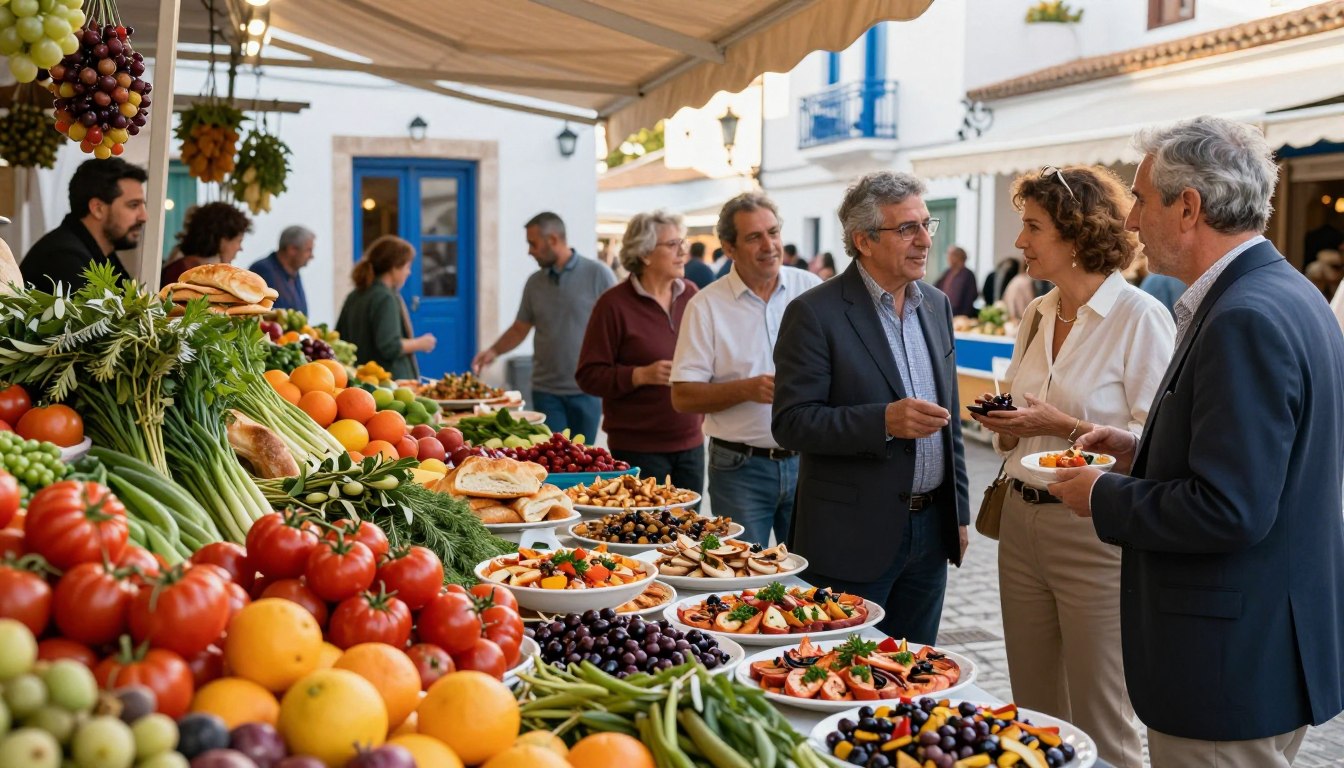
Food culture shows us who we are. It’s not just about recipes or dishes. It’s about the stories and heritage behind them.
The Mediterranean food culture brings a sense of belonging. It uses fresh ingredients, herbs, and olive oil. This makes food not just healthy but also a way to connect with others.
Looking at food memory and identity, we see our traditions are part of our history. This article explores how food culture goes beyond recipes. It reveals our cultural selves.
The Cultural Significance of Food Beyond Sustenance
Food is more than just something we eat. It’s a universal language that connects us all. The way we eat and the meals we share show our cultural roots.

Food as a Universal Language Across Civilisations
Food can cross language and geography barriers. It lets people from different backgrounds connect through food. Traditional recipes connect us to our heritage, reminding us of family and cultural celebrations.
Sharing meals builds community and a sense of belonging. Whether it’s a traditional Sunday roast or a holiday meal, food brings us together.
How Shared Meals Build Community Bonds
Shared meals are more than eating together. They are rituals that strengthen our bonds and cultural identity. Sharing food shows respect and understanding among us.
| Cultural Practice | Significance | Community Impact |
|---|---|---|
| Traditional Cooking Methods | Preserves cultural heritage | Strengthens community ties |
| Festive Meals | Celebrates cultural identity | Fosters a sense of belonging |
| Family Recipes | Links to personal history | Enhances family bonds |
The cultural value of food is also seen in food memory and identity. Eating certain dishes can bring back strong memories and feelings. This shows how important food is in our lives.
Mediterranean Food Culture: A Window into Centuries of Tradition
The Mediterranean region’s food culture is rich and varied. It comes from centuries of cultural exchange and trade. This has shaped the region’s diet.
Historical Development of Mediterranean Dietary Patterns
The Mediterranean diet has a long history. It has been influenced by geography, climate, and cultural exchange.
Trade Routes and Culinary Exchange
Trade routes were key in shaping Mediterranean cuisine. Goods like spices and herbs were exchanged. This introduced new tastes and cooking methods.

The impact of trade on Mediterranean food is clear. It has made the cuisine diverse and rich. Traditional diets show the influence of many cultures.
| Country | Traditional Dish | Key Ingredients |
|---|---|---|
| Greece | Moussaka | eggplant, minced meat, béchamel sauce |
| Italy | Pasta alla Norma | eggplant, tomatoes, ricotta salata cheese |
| Spain | Paella | rice, seafood, saffron |
The table shows the variety of Mediterranean cuisine. Each country has its own dishes and ingredients. This diversity reflects the region’s rich culture and history of trade.
Adopting the Mediterranean diet is more than just food. It’s a lifestyle that promotes healthy food and living better. The Mediterranean way of eating is a model for health and community.
How Food Shapes Personal and Collective Memory
Food and memory are closely linked, with sensory and emotional connections. It can bring back memories of the past, taking us back to important moments. This is true for both personal and collective memories, where certain foods are part of our cultural heritage.
The Neuroscience of Food Memories and Nostalgia
Studies in neuroscience have uncovered how food memories are made and recalled. The brain’s limbic system, including the hippocampus and amygdala, links smells and tastes to emotions. This is why a certain dish’s smell can instantly remind us of family gatherings or special times.

New research shows the importance of sensory triggers in memory. For example, the smell of freshly baked bread can bring back childhood memories. This power can recall memories and emotions, showing how food affects our identity and longevity.
Food also plays a big role in collective memory, with dishes passed down through generations. These dishes become part of family traditions and cultural practices. They help keep culinary heritage alive, strengthening family and community bonds and creating a sense of belonging.
Identity on a Plate: Food as Cultural Expression
In London’s diverse neighbourhoods, Mediterranean food culture thrives. It shows the mix of tradition and change. This lively food scene is more than just dishes; it’s about cultural identity and memories.
For diaspora communities, food is a strong connection to their heritage. It helps them keep in touch with their roots while living in a new place.
Diaspora Communities in Britain and Culinary Heritage
Diaspora communities in Britain have greatly influenced the country’s food. They’ve brought their cooking ways and recipes, adding to the variety of Mediterranean foods in Britain.
Neighbourhoods like Camden and Brick Lane in London are great examples. Here, old and new cooking styles meet, showing how Mediterranean food culture is always changing.
Adapting traditional recipes with local ingredients shows the creativity of diaspora communities. It also adds to London’s diverse food scene.
Looking at these examples helps us understand how food is a way to express culture and identity. This is very true for diaspora communities.
The Mediterranean Diet Phenomenon: Beyond Health Claims
The Mediterranean diet is more than just good food. It’s also linked to living longer and feeling better. Studies have shown it can improve our health in many ways.
Latest Research on Longevity Benefits from British Universities
British universities have found something exciting about the Mediterranean diet. They discovered it can help us live longer. Eating this way can lower our risk of dying early.
“The Mediterranean diet is not just a diet, it’s a lifestyle,” said a leading researcher. “It’s about eating well and enjoying meals with others. It’s about eating fruits, vegetables, and healthy fats.”
The Blue Zones Connection and New Findings
The Blue Zones are places where people live long and healthy lives. They follow the Mediterranean diet. This diet is key to their longevity.
Eating whole foods and avoiding processed ones is important. It keeps us healthy and brings us together. This way of eating supports our bodies and minds.
The Mediterranean diet does more than just keep us healthy. It helps prevent chronic diseases and boosts our mental health. It’s a path to a longer, happier life.
Rituals and Ceremonies: How Mediterranean Meals Create Community
In Mediterranean cultures, mealtimes are special. They bring people together, making memories and a sense of belonging. Sharing a meal is more than just eating; it’s a key part of their culture.
The Social Architecture of Mealtime in Mediterranean Cultures
Mediterranean mealtime is all about being together. Family and friends enjoy food and talk. Meals can last hours, involving many generations.
They focus on enjoying each other’s company and local food. This relaxed way of eating helps people connect and feel part of a community.
In Britain, meals are often rushed and formal. People value mealtimes but the pace is different from the Mediterranean.
British meals tend to be more for just the family, unlike the Mediterranean’s big gatherings. This shows a different view on sharing meals.
Mediterranean meals strengthen food memory and identity and community ties. By embracing this, we can improve our lives and live better.
Learning from Mediterranean mealtimes can help us build stronger community bonds. It shows how to make dining more meaningful.
The Politics of Food: Power, Resistance, and Mediterranean Traditions
The politics of food in the Mediterranean is complex. It involves power, resistance, and tradition. Food sovereignty movements are changing the face of Mediterranean cuisine.
Food Sovereignty Movements in Contemporary Mediterranean Regions
Food sovereignty movements are growing in the Mediterranean. Local communities want to keep their food traditions alive. They face challenges from globalisation.
These movements are more than just about food. They’re about keeping cultural identity, protecting the environment, and supporting local economies.
- Promoting local food systems and reducing reliance on industrial agriculture
- Preserving traditional farming practices and crop varieties
- Supporting small-scale farmers and local economies
Brexit’s Impact on Mediterranean Food Imports to Britain
The Brexit referendum has changed how Mediterranean food gets to Britain. New trade rules have made Mediterranean staples like olive oil and feta cheese more expensive.
- Increased costs for importers have led to higher prices for consumers
- Changes in customs procedures have caused delays and disruptions to the supply chain
- Concerns about the long-term viability of Mediterranean food traditions in Britain
In conclusion, the politics of food in the Mediterranean is a big issue. It affects not just the local cuisine but also the culture and economy of the communities involved.
Modern Interpretations: How Mediterranean Food Culture Adapts to Contemporary Life
In Britain, Mediterranean food culture is changing, mixing old and new. People are now more health-conscious and care about the environment. So, traditional Mediterranean diets are being updated for today’s tastes and lifestyles.
Fusion Cuisine in Britain’s Restaurant Scene
The rise of fusion cuisine in Britain shows how Mediterranean food culture is evolving. Chefs mix traditional Mediterranean ingredients with British tastes. This creates a unique dining experience.
Yotam Ottolenghi, a famous chef, says, “Fusion cuisine is about making something new and exciting. It respects the roots of each cuisine.”
Trending Mediterranean-British Fusion Dishes
Some popular Mediterranean-British fusion dishes are:
- Lamb koftas with mint sauce, served with roasted British vegetables
- Grilled halloumi cheese with honey and thyme glaze, paired with British apple compote
- Turkish-style doner kebabs in a British-style naan bread
These dishes show how Mediterranean cuisine can adapt to local tastes. As people focus on living better through food, demand for these dishes will likely increase.
The mix of Mediterranean and British cooking traditions is also about food memory and identity. For many, these dishes remind them of family and cultural celebrations. They highlight how food shapes our personal and collective identity.
Conclusion: Why Understanding Food Culture Matters in Today’s World
Food culture is more than just recipes. It shows who we are and what we value. Looking at Mediterranean food culture, we see how it shapes our memories and sense of belonging.
Food memory and identity are key to who we are and our heritage. The Mediterranean diet promotes health, helping us live longer and better.
Understanding food culture helps us stay connected to our past. It teaches us to value food’s role in shaping our identities and communities.
In today’s world, food culture is a bridge between generations and communities. It helps us understand ourselves and the world better.
FAQ
What is the significance of Mediterranean food culture?
How does food influence personal and collective memory?
What is the Mediterranean diet, and what are its benefits?
How do diaspora communities maintain their culinary traditions in new cultural contexts?
What is the role of mealtime in Mediterranean cultures?
How is Mediterranean food culture evolving in contemporary Britain?
What are food sovereignty movements, and how do they relate to Mediterranean food culture?
Why is understanding food culture important in today’s world?

Manuale Creativo per Fotografi Ribelli
40 idee per riscattare il tuo sguardo fotografico. Un libro di Massimo Usai per chi vuole guardare il mondo con occhi nuovi.
Acquista su Amazon In qualità di Affiliato Amazon ricevo un guadagno dagli acquisti idonei.Scopri di più da
Abbonati per ricevere gli ultimi articoli inviati alla tua e-mail.


