Massimo Usai
Fotografo | Storyteller | Direttore di Urban Mood Magazine
📍 Cagliari, Italia
Chi sono
Sono un fotografo e storyteller con un’anima cosmopolita. Nato a Cagliari, la mia passione per la fotografia e la scrittura mi ha portato a Londra, dove ho vissuto per oltre 20 anni, affinando il mio occhio artistico e collaborando con diverse riviste internazionali come giornalista freelance. Le mie esperienze a Bruxelles e Varsavia hanno arricchito ulteriormente la mia visione del mondo, aggiungendo una prospettiva multiculturale alla mia narrazione visiva e scritta.
Oggi, come Direttore di Urban Mood Magazine, guido una redazione con l’obiettivo di raccontare il mondo attraverso immagini e parole, con uno sguardo attento ai dettagli, all’estetica e alla profondità delle storie.
Il mio lavoro
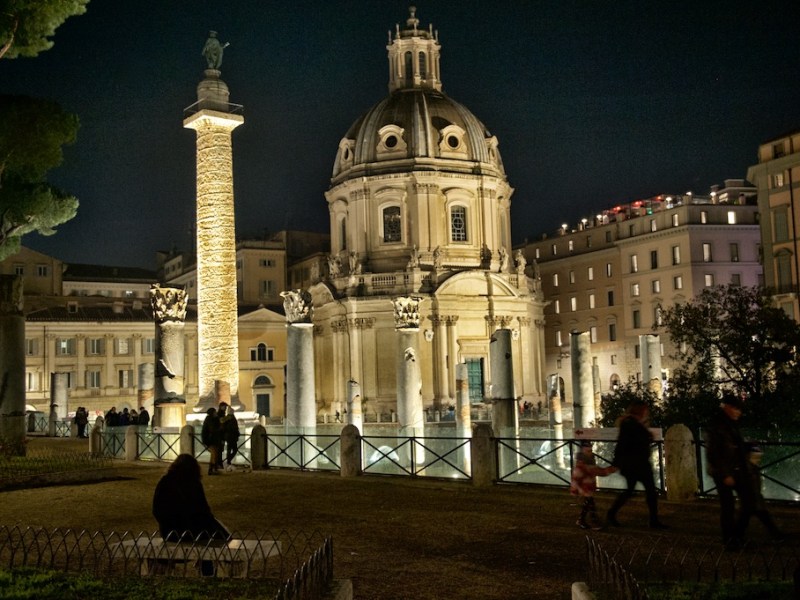
Le mie immagini sono più di semplici scatti: sono narrazioni visive che catturano l’essenza dei momenti, dalle dinamiche urbane ai frammenti di vita quotidiana. Con uno stile che unisce reportage, arte e storytelling, ho collaborato con testate di prestigio internazionale, tra cui:
📰 New York Times | Time Out London | News Vancouver | Londonist Londra
📰 Latitudes Milano | Il Piccolo di Alessandria | Italia News Media
Molte delle mie fotografie sono disponibili su piattaforme globali come Getty Images, Alamy, Shutterstock, Adobe Stock e 500px, offrendo al pubblico un punto di vista unico e autentico.
Oltre la fotografia
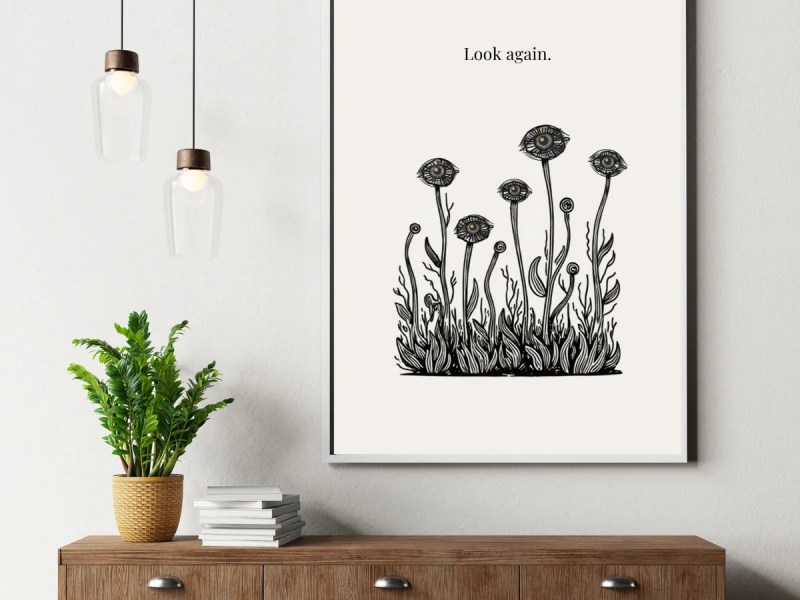
Parallelamente alla mia attività editoriale e artistica, sono co-fondatore di ART PRIME STUDIO, un negozio online che gestisco in collaborazione con Anna Terlecka, produttrice media di Discovery Poland. Qui, oltre a opere artistiche selezionate, è possibile acquistare alcune delle mie stampe fotografiche più esclusive.
Nel tempo libero, seguo con passione l’Arsenal e mi immergo nella musica dei Radiohead, due elementi che, come la fotografia, fanno parte della mia identità.
📷 Scopri di più sul mio lavoro fotografico visitando il mio sito personale.
La Redazione
Benvenuti nella Redazione di “URBAN MOOD MAGAZINE”
La redazione di “URBAN MOOD MAGAZINE” è composta da una squadra diversificata di esperti e appassionati provenienti dalle principali capitali europee, ognuno con un ruolo distintivo nel portare ai lettori una panoramica completa su cultura, viaggi, sport e attualità. Scopriamo chi sono i nostri autori e collaboratori:
Alessio Sartori
- Tema: Viaggi e Racconti
- Residenza: Firenze, Italia
- Mini Scheda: Alessio Sartori è un appassionato viaggiatore che condivide le sue esperienze attraverso racconti avvincenti e dettagliati. Da Firenze, città d’arte e cultura, Alessio esplora il mondo e racconta le sue avventure con un occhio attento ai dettagli e alle curiosità culturali.
Giulia Marini
- Tema: Cultura e Orizzonti
- Residenza: Torino, Italia
- Mini Scheda: Giulia Marini si dedica alla scoperta delle diverse culture e orizzonti del mondo. Con base a Torino, città storica e cosmopolita, Giulia esplora temi culturali globali, offrendo prospettive uniche e approfondite sulle tradizioni e le evoluzioni culturali.
Matteo Ferri
- Tema: Europa e Voci
- Residenza: Bologna, Italia
- Mini Scheda: Matteo Ferri è un esperto di tematiche europee, focalizzandosi sulle voci e le prospettive emergenti nel continente. Da Bologna, città universitaria e dinamica, Matteo esplora le questioni politiche, sociali e culturali che definiscono il panorama europeo contemporaneo.
Elena Lombardi
- Tema: Attualità e Storie
- Residenza: Napoli, Italia
- Mini Scheda: Elena Lombardi è una giornalista appassionata di attualità e narratrice di storie che hanno un impatto sociale. Con sede a Napoli, città vivace e storica, Elena racconta le storie di persone e eventi che influenzano il nostro mondo moderno, portando alla luce temi importanti attraverso il suo lavoro giornalistico.
Luca Montanari
- Ruolo: Esperto di Cultura e Innovazione
- Residenza: Londra, Regno Unito
- Mini Scheda: Luca Montanari è un esperto di cultura e innovazione con radici italiane e sede a Londra. Con una passione per l’arte, la tecnologia e l’innovazione, Luca esplora le tendenze culturali emergenti e le innovazioni che plasmano il panorama europeo e globale. Grazie alla sua esperienza biculturale, Luca offre una prospettiva unica che integra le influenze italiane con le dinamiche culturali londinesi. Scrive in due lingue: Inglese e Italiano.
Sophie Leclerc
- Ruolo: Cultura e Attualità Europea
- Residenza: Parigi, Francia
- Mini Scheda: Sophie è una corrispondente di attualità e cultura europea con sede a Parigi. Con una prospettiva critica e informativa, Sophie analizza gli eventi politici, sociali ed economici che influenzano l’Europa contemporanea, fornendo insight preziosi ai lettori interessati agli sviluppi regionali e globali.
Hanna Simonis
- Ruolo: Giornalista e Produttrice Televisiva
- Residenza: Varsavia, Polonia
- Mini Scheda: Hanna Simonis è una giornalista e produttrice televisiva che scrive da Varsavia. Specializzata in viaggi, food & drinks e lifestyle, Hanna racconta con passione le tendenze emergenti e le destinazioni più affascinanti. La sua esperienza nel mondo dei media le consente di offrire uno sguardo unico e coinvolgente sulle culture e i sapori del mondo. Scrive in tre lingue: Italiano, Polacco e Inglese.
Con questa squadra diversificata e competente, “URBAN MOOD MAGAZINE” si impegna a fornire ai lettori una visione ricca e variegata delle tematiche europee e globali che definiscono il nostro tempo.